Specialized footwear is rarely necessary for successful beekeeping. You generally do not need to purchase boots marketed specifically for apiarists. Instead, opt for comfortable, closed-toe agricultural work boots that provide full ankle coverage and reliable stability.
The most effective beekeeping footwear prioritizes protection and stability over branding. Choose sturdy, slip-resistant boots that allow you to secure your pant legs over the top, creating a sting-proof seal against climbing bees.
Practical Protection Principles
The Importance of the "Bee Seal"
The primary mechanism of protection for your feet is not just the shoe itself, but how it interacts with your clothing. Bees naturally crawl upwards.
To prevent bees from entering your clothing, pant legs must be pulled down over the tops of your boots.
This configuration creates a shingle effect, ensuring that a bee crawling up your boot continues up the outside of your pant leg rather than slipping inside against your skin.
Coverage and Closure
High-topped boots are superior to low-cut shoes for apiary work.
They provide a vertical surface for your pants to overlap, minimizing the risk of gaps appearing when you bend or kneel.
You should also look for footwear that fits snugly around the ankle. Loose tongues or wide openings can trap bees or other insects, pressing them against your ankle and causing a defensive sting.
Critical Safety Features
Stability on Uneven Ground
Beekeepers frequently work on grass, dirt, or wet surfaces.
Slip resistance is a non-negotiable feature for your footwear.
Managing hives often involves lifting heavy super boxes filled with honey and agitated bees. A slip or fall in this scenario is dangerous not only because of the physical impact but because dropping a hive can trigger a massive defensive reaction from the colony.
Material and Texture
While specific colors for boots are less critical than for bee suits, the material matters.
Avoid footwear made from fuzzy materials or rough animal fibers, as bees tend to react unfavorably to these textures.
Smooth leather, rubber, or synthetic materials are generally preferred. While white or tan colors are ideal for clothing, standard dark agricultural boots are acceptable provided they are kept clean and covered by light-colored pant legs.
Common Pitfalls to Avoid
The Danger of Open Footwear
Never wear open-toed shoes or sandals in the apiary.
This is a fundamental safety rule. Exposed skin at ground level is highly vulnerable to stings, particularly from "crawler" bees that may have fallen to the ground during an inspection.
The "Specialized Gear" Trap
Do not feel pressured to buy expensive boots marketed exclusively for beekeepers.
As long as the footwear is closed-toe, comfortable, and provides ankle support, standard agricultural or hiking boots are entirely sufficient.
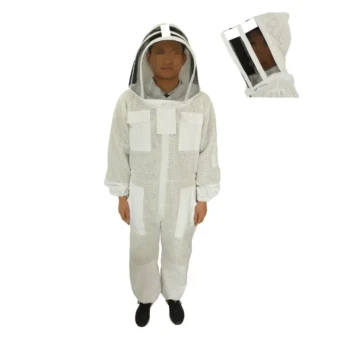
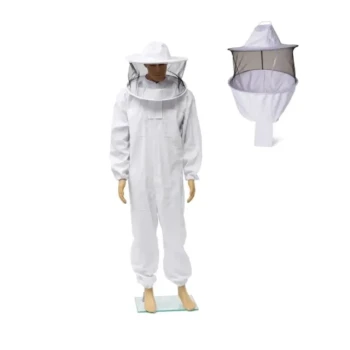
Focus your budget on high-quality protective clothing (suits and veils) rather than specialized footwear.
Selecting the Right Gear for Your Apiary
When choosing from your existing wardrobe or buying new boots, consider your specific working conditions:
- If your primary focus is Economy: Utilize existing hiking or work boots, ensuring they are sturdy and pair them with gaiters or long pants to seal the ankles.
- If your primary focus is Heavy Lifting: Prioritize boots with aggressive tread and strong ankle support to prevent injury while moving heavy hive boxes on uneven terrain.
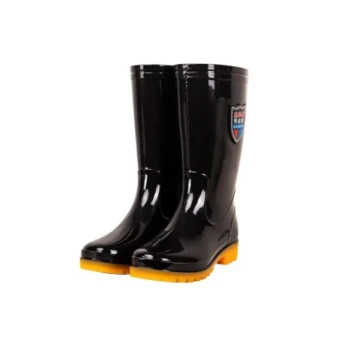
- If your primary focus is Sting Prevention: Choose high-top rubber boots (Wellies), as they offer a smooth surface bees cannot grip and provide high coverage for pant legs.
Secure the gap at your ankle, stabilize your step, and you will be able to work your hives with confidence.
Summary Table:
| Feature | Recommended Footwear Type | Key Benefit |
|---|---|---|
| Style | High-topped agricultural/work boots | Provides vertical overlap for pant legs to block bees. |
| Material | Smooth leather, rubber, or synthetics | Prevents bees from getting snagged or becoming defensive. |
| Safety | Slip-resistant soles with ankle support | Ensures stability when lifting heavy honey supers on uneven ground. |
| Closure | Snug ankle fit or tall shaft | Eliminates gaps where "crawler" bees could enter clothing. |
| Avoid | Sandals, mesh shoes, or fuzzy materials | High risk of stings and lack of physical protection. |
Scale Your Apiary Operations with HONESTBEE
At HONESTBEE, we understand that professional beekeeping requires more than just the right boots—it requires reliable, high-performance equipment. Whether you are managing a commercial apiary or supplying the industry as a distributor, we provide the full spectrum of tools you need to succeed.
Our comprehensive wholesale portfolio includes:
- Precision Machinery: From hive-making equipment to advanced honey-filling machines.
- Essential Hardware: A wide array of durable beekeeping tools and industry consumables.
- Retail Support: Honey-themed cultural merchandise to enhance your brand's reach.
Ready to elevate your beekeeping business? Our experts are here to help you select the right machinery and tools to maximize your efficiency. Contact HONESTBEE today to discuss your wholesale needs!
Related Products
- Professional PVC Beekeeping Shoes with Integrated Non-Slip Sole
- White PVC Beekeeping Shoes with Non-Slip Safety Sole
- Metal Bee Hive Stand Bee Box Stand for Beekeeping
- Wholesales Dadant Size Wooden Bee Hives for Beekeeping
- Yellow Plastic Bucket Pail Perch for Beekeeping
People Also Ask
- What dual protection do professional beekeeping boots provide in tropical environments? Essential Safety for Apiarists
- What should be done if a bee gets inside a beekeeping shoe? A Guide to Safe, Sting-Free Removal
- What are the common types of shoes used by beekeepers? Select the Best Footwear for Apiary Safety and Comfort
- How does proper coverage contribute to the effectiveness of beekeeping shoes? Secure Your Feet Against Stings
- Why is it beneficial for beekeeping shoes to be easy to clean? Enhance Safety and Traction in Your Apiary