Beekeepers primarily utilize two distinct materials for grafting cell cups: durable plastic base mount units or traditional homemade beeswax cups. While beeswax provides a natural substrate, colorful plastic cups are the industry standard for their reusability and compatibility with modern mounting systems.
While homemade beeswax cups are a viable traditional option, most beekeepers prefer plastic base mount cell cups for their consistency and ease of handling. These cups are designed to integrate seamlessly into grooved bars, providing a stable and organized structure for queen rearing.
Material Choices for Cell Cups
The Plastic Standard
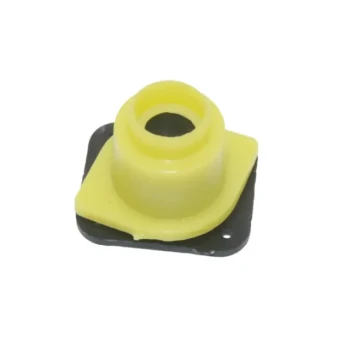
The most common choice for grafting is the plastic base mount cell cup. These are manufactured units that are often brightly colored, making it easier to inspect the larvae and identify cells within the hive.
Traditional Beeswax
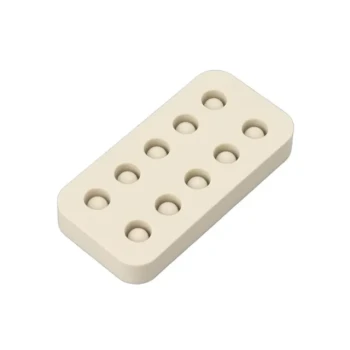
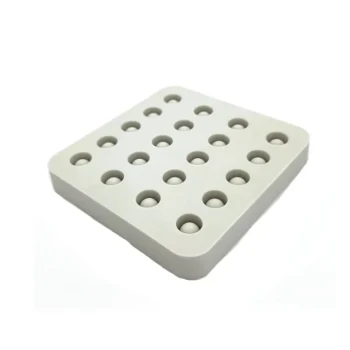
Alternatively, beekeepers can create their own cups using beeswax. This requires dipping a mold into molten wax to form the cup shape, offering a completely natural environment for the developing queen.
Configuration and Mounting Setup
The Grooved Bar System
To set up plastic cups, they are typically inserted into a grooved bar. The base of the cup is designed to fit snugly into this channel, ensuring the cells remain upright and spaced correctly.
Frame Integration
Once the cups are mounted on the bars, the bars themselves are fitted into a specially made frame. This frame is designed to hold multiple bars, allowing a single colony to rear a large number of queens simultaneously.
Adapting Standard Frames
For those without specialized equipment, a grooved top bar can be installed into a standard frame. The cell cups are inserted directly into this top bar, utilizing standard hive gear for the rearing process.
Essential Preparation: Priming
Preventing Dehydration
Before grafting larvae into the cups, many beekeepers perform a process called priming. This involves adding a minute amount of liquid to the bottom of the cup to prevent the sensitive larvae from drying out.
The Priming Mixture
The priming liquid is typically a mixture of royal jelly and water, or occasionally just water. This provides immediate humidity and a small nutritional buffer before the nurse bees take over.
Nurse Bee Interaction
It is crucial to note that this is a temporary measure. Once introduced to the cell builder colony, nurse bees will remove the priming liquid and replace it with fresh, high-quality royal jelly.
Understanding the Trade-offs
Plastic vs. Wax
Plastic cups offer durability and are easy to clean and reuse, making them cost-effective over time. Wax cups, while natural, are labor-intensive to manufacture and are generally single-use, as they are often destroyed when harvesting the queen cell.
Risks of Priming
While priming ensures hydration, it introduces a risk of drowning the larvae. If the droplet of fluid is too large, the larva may become submerged and die. Beekeepers must use a steady hand to apply only a micro-droplet.
Optimizing Your Grafting Setup
To ensure the highest acceptance rates for your grafts, consider your specific resources and experience level.
- If your primary focus is efficiency and reusability: Choose colorful plastic base mount cups fitted into a specialized frame for easy management.
- If your primary focus is a strictly natural approach: Utilize beeswax cups, but be prepared for the additional preparation time required to mold them.
- If your primary focus is larval survival: Implement priming with a royal jelly mixture, ensuring the volume is minimal to avoid drowning the graft.
Success in grafting comes not just from the tools you choose, but from the precision with which you prepare them.
Summary Table:
| Feature | Plastic Base Mount Cups | Traditional Beeswax Cups |
|---|---|---|
| Material | Durable, food-grade plastic | Natural molten beeswax |
| Reusability | High (washable & reusable) | Low (usually single-use) |
| Installation | Fits into grooved bars/frames | Manual attachment/wax dipping |
| Key Benefit | Consistency & ease of handling | Natural substrate for larvae |
| Primary Use | Commercial & large-scale rearing | Small-scale or natural beekeeping |
Elevate Your Queen Rearing with HONESTBEE
Precision is the foundation of a thriving apiary. At HONESTBEE, we specialize in empowering commercial apiaries and distributors with professional-grade beekeeping solutions. Whether you need high-visibility plastic cell cups, specialized queen rearing frames, or advanced honey-filling machinery, our comprehensive wholesale portfolio has you covered.
Why partner with HONESTBEE?
- Full Spectrum Supply: From hive-making hardware to honey-themed cultural merchandise.
- Built for Scale: Industrial-strength equipment designed for high-volume operations.
- Industry Expertise: We understand the needs of modern beekeeping businesses.
Ready to optimize your production and scale your operations? Contact our expert team today to explore our wholesale equipment and consumables.
Related Products
- Brown Nicot Queen Cell Cups for Breeding Queen Bees Beekeeping
- JZBZ Type Wide Base Plastic Queen Cell Cups for Base Mounting and Queen Rearing
- JZBZ Push-In Queen Cell Cups for Beekeeping
- Clear Black Plain Polystyrene Queen Bee Grafting Cell Cups No Lug for Bee Queen Cup
- 10-Cell Silicone Beeswax Bee Queen Cups Forming Mold
People Also Ask
- What role do specialized queen rearing tools play in developing mite-resistant honeybee stock? Master Genetic Selection
- What materials are used to make artificial queen cell cups for grafting? Beeswax vs. Plastic Guide
- What roles do specialized queen cell cups play in royal jelly production? Optimize Your Hive's Secretion and Yield
- How does the standardized depth of queen cell cups affect larval acceptance? Boost Success with 6mm Precision
- Why is a diluted royal jelly solution applied to queen cell cups? Boost Acceptance in Artificial Grafting