Effective honey labeling serves two distinct purposes: establishing your brand identity and satisfying strict regulatory requirements. A comprehensive label typically includes the brand and product names, specific source details (floral or regional), quantitative data like net weight, and essential compliance elements such as ingredient lists, nutritional panels, and safety warnings.
Core Takeaway A successful label bridges the gap between marketing and compliance. It must clearly communicate the product’s origin and quality (the brand story) while strictly adhering to safety and legal standards, all without sacrificing legibility or design contrast.
Establishing Brand Identity and Product Value
Brand and Product Name
The most prominent text on the label should be the brand name and the specific product name. This is the primary anchor for customer recognition and loyalty.
Variety and Floral Source
Consumers often choose honey based on flavor profiles derived from specific plants. Labels should specify the floral source (e.g., Clover, Orange Blossom) or plant variety to set expectations for taste and color.
Origin and Regional Designations
Identifying the Country of Origin is standard practice and often legally required. Additionally, highlighting local or regional designations adds value for consumers seeking community-supported agriculture or specific local pollens.
Certifications and Grade
To further differentiate the product, labels often include specific quality indicators. These may include a grade (e.g., Grade A), organic certification, Fair Trade status, or a designation of "raw honey" to appeal to health-conscious buyers.
Critical Regulatory and Safety Information
Net Weight and Ingredients
The label must clearly state the net weight of the product. An ingredient list is also required, even if honey is the sole ingredient, to ensure full transparency.
Nutritional Information Panel
A standard nutritional panel provides consumers with dietary data. This includes caloric count and sugar content per serving, allowing customers to make informed dietary choices.
Business Information
To ensure accountability and traceability, the label must include the business name and address of the manufacturer, packer, or distributor.
Safety Warnings
A critical safety component is a warning regarding infant consumption. This statement advises parents not to feed honey to infants (typically under one year old) due to the risk of botulism.
Enhancing Consumer Confidence and Usability
Storage and Usage Instructions
Honey requires specific environments to maintain quality. Labels should provide clear instructions for use and storage, such as keeping the container in a cool, dry place.
Handling Crystallization
Many consumers mistakenly believe crystallized honey has spoiled. Including information on crystallization—explaining that it is a natural process and how to reverse it—can prevent unnecessary product returns and waste.
Dates and Tracking
For inventory management and consumer freshness, labels should include a packaging date and a 'Best By' date.
Tech Integration
Modern labels often utilize bar codes for retail scanning. Additionally, QR codes are increasingly used to link customers to a deeper brand story, recipe ideas, or processing details without cluttering the physical label.
Common Pitfalls to Avoid
The Readability Trade-off
A common mistake is prioritizing artistic design over readability. The primary reference emphasizes that text size, color, and contrast are critical; a beautiful label fails if the consumer cannot easily read the ingredients or warnings.
Information Overload
While providing details is helpful, overcrowding the label can confuse the buyer. You must balance mandatory regulatory text with optional marketing claims to maintain a clean, professional aesthetic.
Making the Right Choice for Your Label
To finalize your label content, review your primary distribution channel:
- If your primary focus is Retail Shelves: Prioritize high-contrast barcodes, clear nutritional panels, and a prominent net weight to ensure seamless compliance and scannability.
- If your primary focus is Artisanal/Farmers Markets: Prioritize the brand story, floral source, and local designations to connect emotionally with buyers seeking a premium, natural product.
Ensure your label informs the mind as effectively as it catches the eye.
Summary Table:
| Label Category | Essential Elements | Purpose |
|---|---|---|
| Branding | Brand Name, Product Name, Logo | Identification & Loyalty |
| Product Details | Floral Source, Origin, Grade/Organic Status | Value Differentiation |
| Regulatory | Net Weight, Ingredients, Nutrition Panel | Legal Compliance |
| Safety | Infant Botulism Warning, Business Address | Consumer Safety & Accountability |
| Consumer Info | Storage Tips, Crystallization Guide, Best By Date | Quality Assurance |
| Technology | Barcodes, QR Codes | Inventory & Marketing Integration |
Elevate Your Honey Brand with HONESTBEE Professional Solutions
At HONESTBEE, we understand that premium honey deserves premium presentation and production. Whether you are a commercial apiary or a distributor, we provide the tools you need to succeed. From state-of-the-art honey-filling machines that ensure precise net weights to high-quality beekeeping tools and equipment, we support every stage of your honey business.
Our value to you:
- Comprehensive Wholesale Offering: A full spectrum of beekeeping hardware and consumables.
- Production Efficiency: Specialized machinery for hive-making and honey processing.
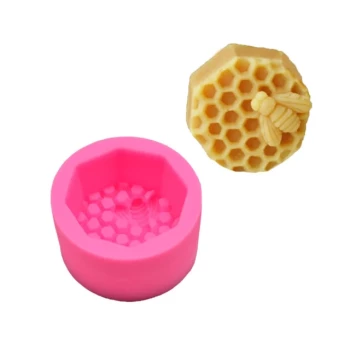
- Brand Support: Unique honey-themed cultural merchandise to enhance your retail presence.
Ready to scale your production and perfect your product presentation? Contact us today to explore our wholesale equipment and specialized machinery!
Related Products
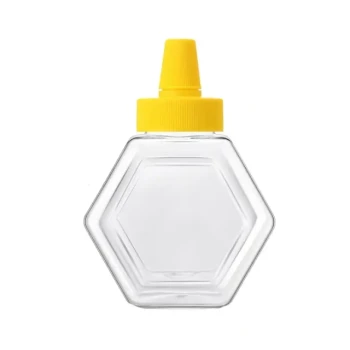
- Hexagonal Squeeze Honey Bottle with No Drip Lid
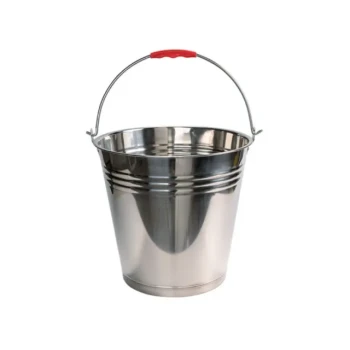
- Premium Stainless Steel Honey Tank Bucket Pail with Reinforced Handle and Polished Finish
- Classic Beehive Honey Bottle Jar with Squeeze Dispenser Lid
- Classic Honey Bear Jars with Flip Top Dispensing Cap for Liquid Sweeteners
- Professional Plastic Honey Dipper for Easy Honey Drizzling
People Also Ask
- What are the benefits of squeeze bottles for honey packaging? Unlock Mess-Free Convenience & Control
- How do honey bottles contribute to the preservation of honey products? Secure Quality and Commercial Value
- What are the features of honey bottles? Design for Convenience & Long-Term Preservation
- How should honey bottles be prepared before pouring honey into them? The #1 Rule for Honey Longevity
- What are the features and benefits of using honey bottles for packaging? Optimize Preservation and Consumer Experience