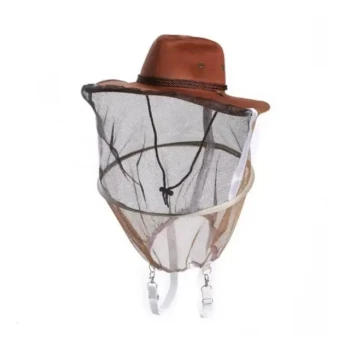
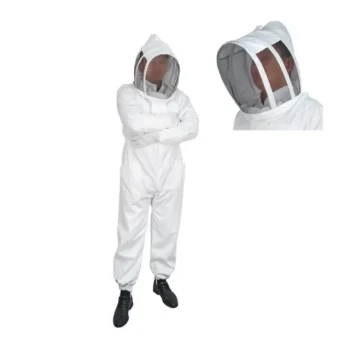
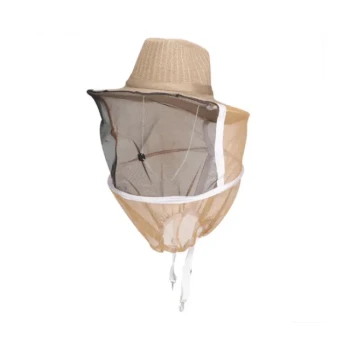
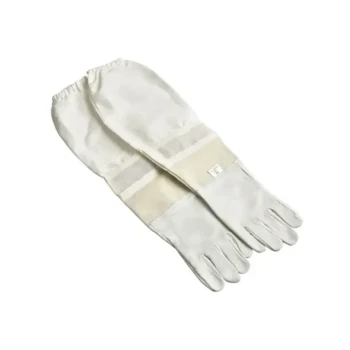
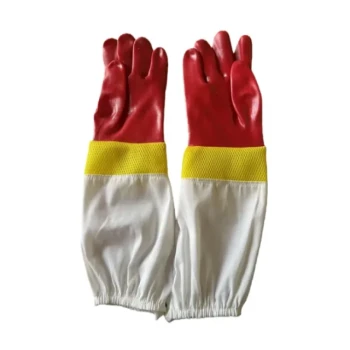
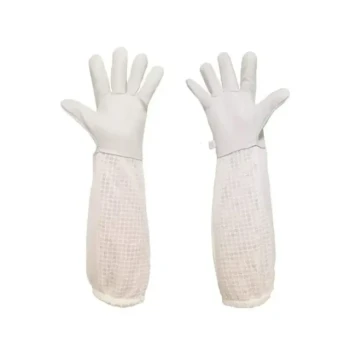
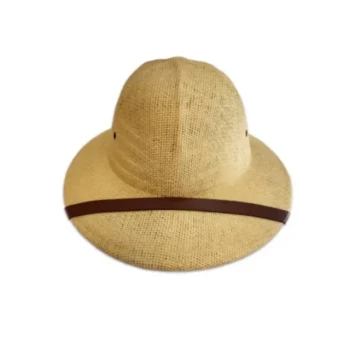
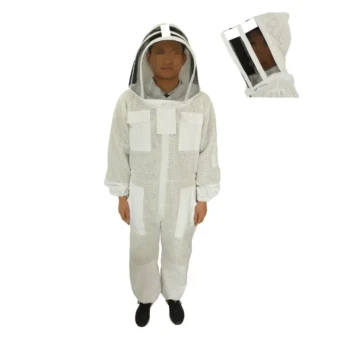
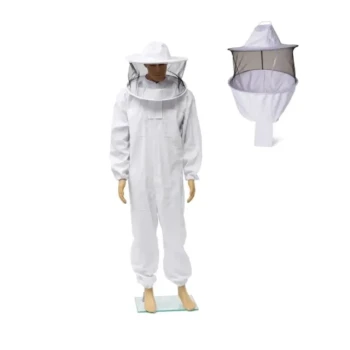
Beekeepers utilize a comprehensive array of protective gear designed to shield the body from stings and keep clothing clean. The available equipment includes veils (with or without attached hats), helmets, full body suits, jackets, gloves, wrist protectors, boots, and boot bands.
While experienced apiarists may vary their equipment, the core function of this gear is to create a sealed barrier around the head, torso, and extremities to prevent bees from accessing the skin.
Head and Face Protection
The Critical Role of the Veil
A veil is arguably the most essential piece of equipment. Bees are biologically programmed to target the face of mammalian intruders.
Understanding the Threat
Bees possess CO2 receptors on their antennae that detect exhalations. They perceive this CO2 as a threat—a defense mechanism originally evolved against predators like bears.
Veil Configurations
Veils come in various styles to suit different preferences. They can be standalone items, integrated directly with a hat, or attached to a hard helmet for rigid protection.
Torso and Body Coverage
Suits and Jackets
To protect the arms, legs, and torso, beekeepers choose between full-body suits and jackets. These garments are designed to shield the wearer while opening the hive, a process that often disrupts the colony and triggers defensive behavior.
Hygiene and Cleanliness
Beyond sting prevention, this outer layer serves a practical hygienic purpose. It acts as a shield for your everyday clothing, preventing it from getting soiled by dirt, propolis, or hive debris.
Securing the Extremities
Hand Protection
Beekeepers use specialized gloves to protect their hands, which are closest to the bees during hive inspections. Options include standard gloves or designs featuring a long gauntlet to protect the forearm.
Wrist Guards
For those using shorter gloves or seeking extra security, wrist protectors are available. These cover the vulnerable gap between the glove and the sleeve cuff.
Footwear and Ankle Protection
Ankles are a common target for stings if left exposed. Beekeepers utilize boots—typically rain boots or work boots—combined with boot bands to cinch the pant legs tight against the footwear.
Understanding the Trade-offs
Protection vs. Dexterity
There is an inherent trade-off between safety and ease of movement. Wearing full gear, particularly heavy gloves, can reduce tactile sensitivity and make delicate tasks more difficult.
The "Fear" Misconception
It is often said that bees smell fear, but they are actually reacting to human physiology. A nervous beekeeper may breathe heavier (releasing more CO2) or move erratically; gear helps mitigate the panic that causes these reactions.
Making the Right Choice for Your Goal
Protective gear is not one-size-fits-all; your choice should depend on your experience level and comfort with risk.
- If your primary focus is maximum safety (Recommended for Beginners): Opt for a full suit, a veil, and gloves to ensure total coverage against potential hive attacks.
- If your primary focus is preventing facial stings: Prioritize a high-quality jacket with a veil, as bees track CO2 emissions directly to your breath.
- If your primary focus is gap prevention: Ensure you utilize boot bands and gauntleted gloves so there is no exposed skin between your clothing layers.
Proper protection allows you to work calmly and effectively, ensuring both your safety and the health of the hive.
Summary Table:
| Gear Type | Primary Function | Key Components |
|---|---|---|
| Head Protection | Shields face & neck from stings; blocks CO2 detection | Veils, hats, helmets |
| Body Protection | Covers torso & limbs; maintains cleanliness | Full-body suits, jackets |
| Hand Protection | Protects hands during inspections | Gauntlet gloves, wrist guards |
| Foot Protection | Prevents bees from crawling up legs | Boots, boot bands |
Elevate Your Apiary’s Safety with HONESTBEE
At HONESTBEE, we specialize in empowering commercial apiaries and distributors with premium-grade beekeeping solutions. Whether you are scaling your operation or stocking your retail shelves, we provide a full spectrum of protective clothing, specialized machinery like hive-making and honey-filling units, and essential industry consumables.
Why partner with us?
- Comprehensive Wholesale Offering: From head-to-toe protective gear to honey-themed cultural merchandise.
- Quality & Durability: Our equipment is designed to withstand the rigors of large-scale commercial beekeeping.
- Industry Expertise: We understand the unique needs of distributors and professional beekeepers.
Ready to secure the best equipment for your business? Contact HONESTBEE today to explore our wholesale catalog and see how our global supply chain can benefit your operations.
Related Products
- Premium Cowboy Beekeeper Hat with Visibility Veil Outdoor Professional Beekeeping Protective Gear
- Premium Cotton Beekeeper Suit with Reinforced Fencing Veil
- Beekeeper Cowboy Hat and Veil for Beekeeping
- Beekeeping Jacket with Hood and Veil for Beekeepers
- White Cotton Beekeeping Jacket and Veil for Bee Keepers
People Also Ask
- What design features contribute to the stability and fit of the beekeeper hat? Key Features for Maximum Hive Safety
- How is the beekeeper hat designed for comfort and practicality? Explore Key Features for Enhanced Apiary Safety
- What is the general protective gear recommendation for new beekeepers? Your Essential Beginner's Safety Guide
- How does beekeeping protective gear facilitate the queen bee selection process? Enhancing Precision in Queen Breeding
- What should beekeepers consider when choosing protective gear? A Guide for Maximum Safety & Comfort