White Pine and Spruce are the standard recommendations for constructing wooden beehive frames. The ideal wood for frames requires a specific balance: it must be soft enough to endure nailing without splitting, yet stiff enough to maintain structural integrity in the humid, heavy environment of a working hive.
The most effective frames often utilize a combination of wood types to handle structural stress. While flexibility is necessary to prevent splitting during assembly, specific components require higher rigidity to support tensioned wires and heavy honeycombs.
The Core Requirements for Frame Wood
Workability and Assembly
The primary challenge in frame assembly is nailing thin wooden bars together. The wood must be soft enough to accept nails without splitting the grain. Extremely hard or brittle woods often fail during this initial construction phase.
Structural Rigidity
Once assembled, the frame must hold its shape against the tension of wiring and the immense weight of stored honey and brood. The wood must be stiff enough to resist warping or bowing, particularly in the high-moisture environment created by the bee colony.
Load Bearing Capacity
As noted in general beekeeping standards, frames are the structural backbone of the hive. The material selected must be of high quality to ensure it does not sag or snap under the live load of the colony.
Recommended Wood Species
White Pine: The Versatile Standard
White Pine is widely considered the best all-around choice for frame construction.
Its natural flexibility makes it highly resistant to splitting when nailed. It is suitable for all components of the frame, including top bars, bottom bars, and end bars.
Spruce: The Structural Specialist
While Pine is excellent for general use, Spruce is considered the superior choice specifically for end bars.
Spruce is stiffer and more brittle than pine. This rigidity provides better support for the side bars, which prevents them from bowing inward when wire is tightened across the frame. This is particularly critical for narrower frames where wire tension is high.
Hardwoods: The Durable Alternative
Repurposed hardwoods can be used for frames, provided they meet specific criteria. The critical factor is selecting hardwood varieties that resist splitting. If the wood is too dense, pre-drilling may be required, which complicates the manufacturing process.
Understanding the Trade-offs
Softwood vs. Hardwood
Softwoods (Pine, Spruce) are industry standards because they are lightweight and easy to machine. Hardwoods offer durability but often introduce weight and assembly difficulties that outweigh their benefits for disposable or high-volume components like frames.
Wood vs. Plastic
While this guide focuses on wood, it is worth noting that plastic frames are the primary alternative. Plastic offers extreme durability and comes pre-molded with foundation. However, wooden frames remain the preference for apiarists who prioritize natural materials and renewable resources.
Making the Right Choice for Your Goal
- If your primary focus is ease of assembly: Choose White Pine for all components, as its flexibility makes nailing forgiving and reduces waste from split wood.
- If your primary focus is structural integrity: Use Spruce for the end bars to ensure the frame remains rigid under wire tension, while using Pine for the top and bottom bars.
- If your primary focus is sustainability: Consider repurposed hardwoods, ensuring you test them first to confirm they can be nailed without splitting.
Select your material based on the specific stress each part of the frame must endure.
Summary Table:
| Wood Type | Key Characteristics | Best Use Case | Benefit |
|---|---|---|---|
| White Pine | Flexible, soft, lightweight | Top & Bottom Bars | Resists splitting during nailing; easy to handle. |
| Spruce | Rigid, stiff, strong | End Bars | Maintains frame shape under wire tension and heavy loads. |
| Hardwoods | Durable, heavy, dense | Custom Frames | Long-lasting, though may require pre-drilling to avoid splitting. |
| Plastic | Molded, extremely durable | High-volume apiaries | Requires no assembly; resistant to pests and rot. |
Elevate Your Apiary with Professional Grade Equipment
At HONESTBEE, we understand that the foundation of a productive colony starts with high-quality components. Whether you are a commercial apiary or a global distributor, we provide the full spectrum of beekeeping excellence—from precision-cut frames and specialized hardware to advanced honey-filling machinery.
Our comprehensive wholesale offering is designed to scale your operations and satisfy your customers with durable, industry-standard equipment and unique honey-themed cultural merchandise. Let us help you build a more efficient beekeeping business today.
Ready to scale your supply? Contact HONESTBEE today to discuss our wholesale solutions and bulk equipment pricing.
Related Products
- Wooden Bee Hive Frames for Beekeeping and Wholesale
- HONESTBEE Wired and Assembled Wooden Bee Frames Foundation for a Thriving Hive
- Assembled Wooden Bee Frames with Plastic Foundation for Durability and Convenience by HONESTBEE
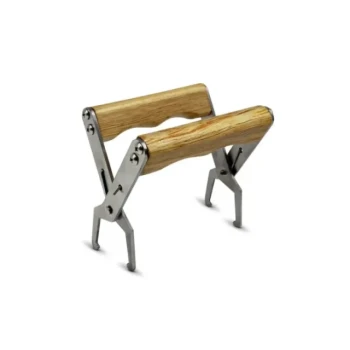
- Premium Frame Grip with Ergonomic Wood Handles
- Professional Wooden Requeening Frame for Beekeeping
People Also Ask
- How do wooden and plastic hive frames compare in terms of durability? Wood vs. Plastic Longevity & Repairability
- How does balancing the number of frames impact hive productivity? Optimize Your Apiary's Biological Output
- What are the main considerations when choosing between wooden and plastic bee hive frames? Optimize Your Apiary's Efficiency
- How should beehive frames be maintained to prolong their lifespan? 5 Pro Tips for Durable Beekeeping Equipment
- What is the primary function of frames within a beehive system? Structural Foundation and Hive Management