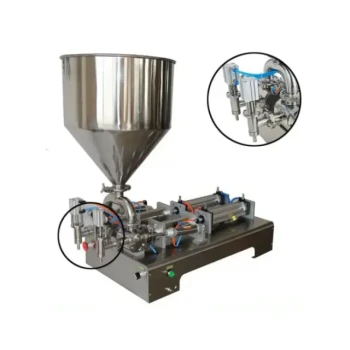
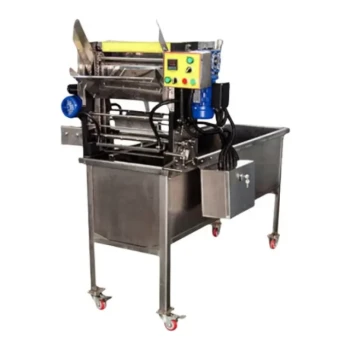
The necessity of automatic filling and specialized processing equipment in large-scale honey distribution lies in the transition from a raw agricultural product to a standardized, high-value commercial commodity. This specialized machinery ensures precise metering, sterile packaging, and consistent quality indicators, which are mandatory for meeting international food safety regulations and scaling operations to meet the demands of global wholesalers and B2B resellers.
Specialized honey equipment bridges the gap between raw harvest and global retail by automating quality control and hygiene. For distributors, this technology translates to reduced contamination risks, standardized product consistency, and the rapid order fulfillment required to maintain a competitive edge in high-end markets.
Achieving Commercial Scale through Precision and Speed
High-Precision Metering and Yield Rates
Automatic filling machines utilize high-precision metering pumps to ensure every unit contains the exact required net weight. This level of accuracy is impossible to maintain manually at scale, directly impacting profitability by reducing product giveaway and ensuring compliance with trade laws.
Rapid Marketization and Order Fulfillment
In the world of B2B distribution, rapid response times are critical. Automated systems significantly increase the speed of marketization after harvest, allowing distributors to fulfill large-scale orders and move inventory through the supply chain with ultra-fast delivery cycles.
Full-Spectrum Product Portfolio Management
Specialized equipment allows for the precise and hygienic bottling of various honey types, such as buckwheat, linden, and rapeseed. This flexibility enables distributors to offer a comprehensive product portfolio, catering to diverse market preferences without compromising on quality or hygiene.
Safeguarding Product Integrity and Safety
Eliminating Secondary Contamination
Industrial-grade machinery creates a sterile packaging environment that effectively eliminates the risk of secondary contamination associated with manual labor. By reducing human contact, the equipment ensures the honey remains pure from the colony to the final consumer.
Preserving Physicochemical and Bioactive Properties
Specialized processing uses controlled filtration and temperature regulation to remove impurities and stabilize moisture levels. This professional approach preserves active enzymes, antioxidant components, and natural flavors that define premium honey.
Sealing Integrity and Shelf Life Extension
High-specification sealing technology is essential for ensuring package integrity during long-distance transportation. Reliable seals prevent leakage and oxidation, extending the shelf life of the product and maintaining its commercial value in global trade.
Meeting International Standards and Market Access
Compliance with Global Food Safety Regulations
To enter high-end retail and international markets, honey must meet stringent physicochemical indicators and safety certifications. Automated processing provides the documented consistency and hygiene standards required by global regulatory bodies.
Facilitating Organic and Premium Certifications
Professional equipment is often a prerequisite for achieving organic certifications. By utilizing standardized, aseptic processes, producers can elevate raw agricultural goods into high-value branded products that command premium prices from B2B resellers.
Professional Industry Expertise and Reliability
Working with suppliers who utilize advanced machinery demonstrates a deep professional industry expertise. For wholesalers, this technical foundation serves as a guarantee of supply chain reliability and product excellence.
Understanding the Trade-offs and Operational Risks
High Initial Capital Expenditure
The primary drawback of specialized processing equipment is the significant upfront investment required for procurement and installation. While these costs are offset by long-term efficiency, they can be a barrier for smaller operations looking to scale too quickly.
Maintenance and Technical Dependency
Automated systems require specialized technical knowledge for maintenance and calibration. Any mechanical failure in a highly integrated line can lead to temporary production halts, making a dedicated service and maintenance plan essential.
Risk of Over-Processing
Improper use of temperature controls or excessive filtration can inadvertently damage the nutritional profile of the honey. Operators must strike a balance between achieving commercial clarity and preserving the "raw" characteristics valued by certain market segments.
How to Apply This to Your Distribution Strategy
Making the Right Choice for Your Goal
To maximize your market position and ensure long-term growth, align your sourcing strategy with your specific business objectives:
- If your primary focus is global export and high-end retail: Prioritize suppliers who utilize full aseptic packaging and high-precision metering to ensure compliance with international food safety standards.
- If your primary focus is rapid market penetration and volume: Look for partners with high-speed automated lines that can guarantee ultra-fast delivery and consistent order fulfillment.
- If your primary focus is brand building and premium margins: Seek out processing that emphasizes controlled filtration and temperature stability to preserve the bioactive substances and enzymes of the honey.
By integrating specialized processing technology into your supply chain, you transform honey from a variable agricultural yield into a reliable, high-performance commercial asset.
Summary Table:
| Key Feature | Benefit for Distributors | Business Impact |
|---|---|---|
| High-Precision Metering | Minimizes product giveaway & ensures legal weight compliance. | Improved Profit Margins |
| Automated Filling Speed | Facilitates rapid order fulfillment and ultra-fast delivery cycles. | Higher Inventory Turnover |
| Aseptic Processing | Eliminates secondary contamination and ensures sterile packaging. | Global Market Access |
| Controlled Regulation | Preserves natural enzymes, flavors, and bioactive properties. | Premium Brand Positioning |
| Advanced Sealing | Prevents leakage and oxidation during long-distance shipping. | Extended Product Shelf Life |
Scale Your Honey Distribution with HONESTBEE Expertise
Transitioning from raw harvest to global retail requires more than just honey—it requires precision engineering and a reliable supply chain. HONESTBEE specializes in empowering commercial apiaries and B2B distributors with a one-stop sourcing experience for high-performance machinery and tools.
Why Partner with HONESTBEE?
- Comprehensive Portfolio: From high-precision honey-filling and hive-making machines to essential industry consumables.
- Rapid Fulfillment: Benefit from our ultra-fast delivery and rapid response times to keep your supply chain moving.
- Professional Reliability: Leverage our deep industry expertise and OEM/ODM support to meet stringent international standards and maximize your margins.
Ready to upgrade your processing capabilities and secure your competitive edge in the global market?
Contact Our Wholesale Experts Today
References
- Bounsanong Chouangthavy. Crop pollination by native honey bees (Apis cerana) at risk due to agricultural intensification. DOI: 10.1007/s11829-025-10197-3
This article is also based on technical information from HonestBee Knowledge Base .
Related Products
- Automatic Honey Filling and Filtering Machine for Beekeeping Bottle Filling
- Fully Automatic Honey Filling Packaging Machine for Processing Line
- Semi Automatic Small Honey Bottle Filling Machine Honey Filler
- Automatic Single-Dose Snap & Squeeze Honey Sachets Packing Machine
- Precision Durable Efficient HONESTBEE Rotary Honey Filling Machine
People Also Ask
- What process advantages do professional honey filtering and filling machines provide? Optimize Your Organic Honey Output
- How do honey filling and filtering machines increase product value? Turn Raw Honey into Premium Export-Grade Goods
- How do honey filtration and filling machinery contribute to industrialization? Scale Your Commercial Honey Production
- What specific issues do industrial filtration and automated filling machinery address? Ensure Honey Quality & Compliance
- How does the use of professional honey filtration and filling machinery facilitate international honey exports?