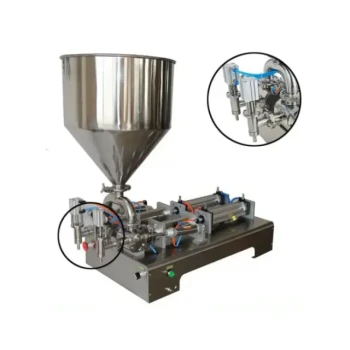
Professional honey filtration and filling machinery serves as the critical bridge between raw agricultural production and compliance with global trade standards. By automating the removal of physical impurities while preserving active ingredients, this technology transforms honey into a stable, standardized commodity capable of bypassing the strict quality barriers—such as moisture limits and contamination risks—enforced by international markets like the European Union.
Core Takeaway Achieving export-grade honey is not just about extraction; it is about stabilization and standardization. Professional machinery eliminates the variability of traditional methods, ensuring the sterility, low moisture content, and precise packaging required to secure entry into premium international retail channels.
Overcoming Barriers to Global Entry
Solving the Quality Gap
Traditional honey extraction methods often result in products with excessive moisture content and physical contaminants. These inconsistencies are the primary reason honey fails to meet international specifications.
Professional processing equipment resolves this by standardizing the physical and chemical indicators of the honey. This transformation is necessary to prevent fermentation and spoilage, ensuring the product remains stable during long-distance transport.
Meeting Strict Regulatory Standards
International markets, particularly the European Union, enforce rigorous hygiene and quality protocols. Manual processing rarely meets these benchmarks due to human error and environmental exposure.
Automated systems ensure compliance by strictly controlling variables such as electrical conductivity and sugar ratios. This adherence to technical standards is often a prerequisite for a product to legally enter a foreign market.
The Role of Precision Filtration
Balancing Purity and Potency
The core function of professional filtration is the removal of physical impurities, such as wax debris, bee fragments, and air bubbles.
However, the defining feature of high-quality export machinery is its ability to filter without stripping the honey of its value. The primary goal is to remove contaminants while maintaining active ingredients, ensuring the honey retains its nutritional value and natural properties.
Enhancing Sensory Appeal
Global consumers in high-end markets demand high clarity and consistent texture. Multi-stage filtration systems polish the product to meet these aesthetic preferences.
By removing visible sediments and improving clarity, the machinery ensures the honey possesses the consistent sensory quality expected in premium retail environments.
Standardization Through Automated Filling
Ensuring Sterility and Safety
Automated filling machinery creates a sterile packaging environment that manual methods cannot replicate. This significantly reduces the risk of secondary contamination caused by human contact.
Hygiene safety is critical for export, as even minor bacterial contamination can lead to entire shipments being rejected at customs.
Precision and Brand Image
High-performance fillers utilize precise metering control to ensure every unit contains the exact quantitative volume. This standardization is vital for meeting weights and measures regulations in export markets.
Furthermore, consistent, professional packaging conveys a high-end brand image. It allows producers to position unique regional varieties, such as Caucasian Gray Bee honey, as premium luxury goods rather than bulk commodities.
Understanding the Trade-offs
The Cost of Compliance vs. Market Access
While professional machinery requires capital investment, relying on traditional methods creates a "quality ceiling" that limits market reach.
Producers must weigh the upfront cost of automation against the risk of product rejection abroad. Without this technology, honey is often relegated to lower-value bulk markets rather than high-value retail distribution.
Processing Sensitivity
It is critical to note that processing must be calibrated correctly. The goal is to stabilize the honey without overheating or over-filtering, which could damage its natural chemical properties.
How to Apply This to Your Project
## Making the Right Choice for Your Export Strategy
To successfully leverage this technology for international trade, align your equipment choice with your specific market goals:
- If your primary focus is Regulatory Compliance (EU): Prioritize machinery with advanced moisture control and sterile filling environments to meet strict physical and chemical safety indicators.
- If your primary focus is Premium Brand Positioning: Invest in high-precision filtration and versatile packaging systems that ensure exceptional product clarity and aesthetic consistency on the shelf.
Invest in processing technology not merely to increase volume, but to secure the stability and safety certification required to compete on the global stage.
Summary Table:
| Feature | Export Requirement | Role of Professional Machinery |
|---|---|---|
| Moisture Control | Low moisture to prevent fermentation | Automated dehydration and stabilization processes |
| Purity Level | Zero wax debris or physical contaminants | Multi-stage filtration while preserving active ingredients |
| Hygiene Safety | Sterile, contamination-free product | Closed-loop automated filling to eliminate human contact |
| Quantity Control | Precise metering for weights & measures | High-precision volumetric filling for standardized units |
| Aesthetics | High clarity and consistent texture | Advanced polishing filtration for premium shelf appeal |
Scale Your Honey Export Business with HONESTBEE
Transitioning from local production to international distribution requires more than just high-quality honey—it requires professional-grade processing to meet global standards. HONESTBEE specializes in empowering commercial apiaries and distributors with the tools needed to conquer global markets.
From advanced honey-filling machines that ensure sterile packaging to high-precision filtration systems and custom hive-making machinery, we provide a comprehensive wholesale portfolio of beekeeping hardware and consumables. Partner with us to enhance your product stability, ensure EU compliance, and elevate your brand image with premium equipment.
Ready to upgrade your production line for export? Contact HONESTBEE Today to Discuss Your Wholesale Needs
References
- Teklu Gebretsadik, Dinku Negash. HONEYBEE PRODUCTION SYSTEM, CHALLENGES AND OPPORTUNITIES IN SELECTED DISTRICTS OF GEDEO ZONE, SOUTHERN NATION, NATIONALITIES AND PEOPLES REGIONAL STATE, ETHIOPIA. DOI: 10.29121/granthaalayah.v4.i4.2016.2754
This article is also based on technical information from HonestBee Knowledge Base .
Related Products
- Automatic Honey Filling and Filtering Machine for Beekeeping Bottle Filling
- Precision Durable Efficient HONESTBEE Rotary Honey Filling Machine
- Fully Automatic Honey Filling Packaging Machine for Processing Line
- Economy Small Honey Filling Machine Honey Bottle Filler Packaging Machine
- Double Nozzle Small Honey Filling Machine Honey Sachet Packing Packaging Equipment
People Also Ask
- What process advantages do professional honey filtering and filling machines provide? Optimize Your Organic Honey Output
- How do honey filling and filtering machines increase product value? Turn Raw Honey into Premium Export-Grade Goods
- How do honey filtration and filling machinery contribute to industrialization? Scale Your Commercial Honey Production
- What specific issues do industrial filtration and automated filling machinery address? Ensure Honey Quality & Compliance
- How do modern beekeeping training programs and efficient farming equipment contribute to high honey yields? Boost Output