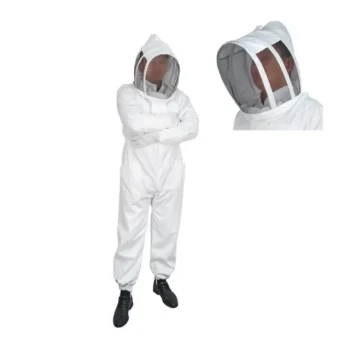
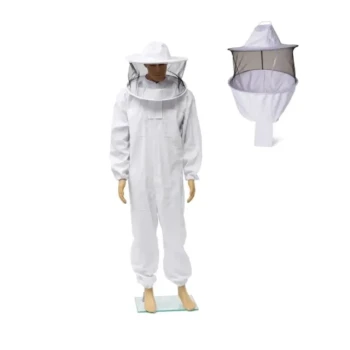
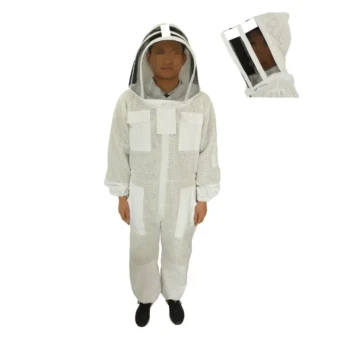
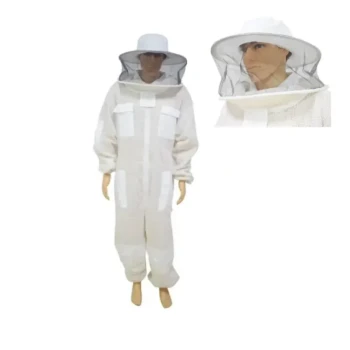
Beekeeping suits are traditionally white to serve two critical functional purposes: thermal regulation and biological camouflage. The light color reflects sunlight to keep the beekeeper cool during apiary work, while simultaneously presenting a neutral visual profile that bees are less likely to interpret as a threat.
The choice of white is not merely aesthetic; it is a calculated decision to minimize heat stress for the wearer and avoid triggering the colony's evolutionary defense instincts against dark-colored predators.
The Functional Science of Suit Color
Thermal Regulation and Safety
Beekeeping is primarily a warm-weather activity, often performed during the hottest hours of the day when foragers are active.
White fabric reflects solar radiation, whereas dark colors absorb it.
Because protective suits are thick and often worn over regular clothing, heat exhaustion is a genuine risk. A white suit significantly reduces the heat load on the beekeeper, making long inspections safer and more comfortable.
Evolutionary Predator Associations
Honey bees have evolved over millions of years to identify and repel specific threats.
Most of their natural predators—such as bears, badgers, and skunks—possess dark fur.
Consequently, bees may be genetically predisposed to perceive large, dark shapes as potential aggressors. By wearing white, a beekeeper appears neutral and "calming" to the hive, ostensibly reducing the likelihood of triggering a defensive stinging response.
Understanding the Trade-offs
The Practicality of Maintenance
While white is functional for heat and behavior, it is the least practical color for cleanliness.
Hive work involves propolis (bee glue), grass stains, honey, and smoker soot. White suits show every speck of dirt immediately.
Darker suits or khaki colors are far more forgiving regarding appearance, hiding grime effectively and requiring less frequent aesthetic washing.
Theory vs. Reality
It is important to note that while the "dark fur" theory is widely taught, the practical difference in aggression can be debatable.
Some evidence suggests that suit color may have a negligible impact on actual bee behavior compared to other factors like the colony's genetic temperament or weather conditions.
If you choose a darker suit, the bees may not necessarily attack you more, but you will almost certainly be hotter.
Making the Right Choice for Your Apiary
While tradition favors white, your specific environment should dictate your gear choice.
- If your primary focus is comfort in hot climates: Stick with the traditional white suit, ideally with ventilation, to maximize heat reflection.
- If your primary focus is low maintenance: Consider a khaki or olive suit, which will hide stains better, provided you can tolerate slightly higher heat absorption.
Ultimately, white remains the industry standard because it prioritizes the beekeeper's physical well-being in the heat.
Summary Table:
| Feature | White Beekeeping Suits | Dark/Colored Suits |
|---|---|---|
| Thermal Regulation | High solar reflection; keeps beekeeper cool | Absorbs heat; higher risk of heat exhaustion |
| Bee Perception | Neutral; less likely to trigger defensive stings | May mimic natural predators (bears/badgers) |
| Cleanliness | Shows stains, propolis, and soot easily | Effectively hides dirt and apiary grime |
| Best Use Case | High-temperature climates and long inspections | Low-maintenance needs in cooler environments |
Elevate Your Commercial Apiary with HONESTBEE
At HONESTBEE, we understand that professional beekeeping requires equipment that balances safety, durability, and comfort. Whether you are a large-scale commercial apiary or a global distributor, we provide a comprehensive wholesale range designed to meet every industrial need.
Our Value to Your Business:
- Premium Protective Gear: High-quality suits engineered for maximum thermal regulation.
- Industrial Machinery: State-of-the-art hive-making and honey-filling machines to scale your production.
- Full-Spectrum Supply: From essential consumables to honey-themed cultural merchandise.
Ready to optimize your operations with industry-leading beekeeping tools and hardware? Contact HONESTBEE today to discuss our wholesale offerings and how we can support your growth.
Related Products
- Premium Cotton Beekeeper Suit with Reinforced Fencing Veil
- Professional Cotton Beekeeper Suit with Round Veil Design for Commercial Apiaries
- Professional Beekeeper Suit with Square Folding Cotton Veil
- White Cotton Beekeeping Jacket and Veil for Bee Keepers
- Vented Beekeeping Jacket with Hood and Veil for Beekeepers
People Also Ask
- What material and design specifications are recommended for a high-quality beekeeper suit? Top Gear Selection Guide
- How to Pre-treat Propolis Stains on Beekeeping Suits? Master Advanced Fabric Care and Soil Removal
- What features should be considered for sting protection in a beekeeping suit? Ensure Total Safety and Comfort
- What are the differences between full suits and jackets with veils in beekeeping? Choose Your Best Protection
- What features should be looked for in a beekeeping suit for maximum comfort? Prioritize Ventilation and Fit