The recommendation to use food-grade plastic over metal stems primarily from the chemical reactivity of honey. Because honey is naturally acidic, it actively reacts with metal and nickel surfaces upon contact. This reaction causes corrosion and rust, which introduces metal ions into the honey, significantly altering its flavor and degrading its safety. Food-grade plastic is chemically inert, preventing this contamination and preserving the honey's natural profile.
Honey is a chemically complex substance that is both acidic and hygroscopic (water-absorbing). While metal containers risk chemical corrosion due to acidity, food-grade plastic provides the essential inertness and airtight sealing required to prevent contamination, fermentation, and spoilage.
The Chemistry of Interaction
The most immediate risk to honey quality is the container material itself.
The Acidity Factor
Honey is not a neutral substance; it possesses weak acidity. When stored in metal or nickel containers, the acid within the honey attacks the container's surface over time.
Corrosion and Contamination
This chemical attack leads to corrosion and rust. As the metal degrades, metal ions migrate into the honey, which can compromise the product's physicochemical properties and introduce potential toxicity.
The Inert Advantage
Food-grade plastic containers are chemically inert. They do not react with acids, ensuring that the container remains stable and does not leach foreign substances or flavors into the honey, even during long-term storage.
The Battle Against Moisture
Beyond chemical reactivity, the physical sealing properties of the container are paramount for preservation.
Understanding Hygroscopy
Honey is highly hygroscopic, meaning it naturally attracts and absorbs moisture from the surrounding atmosphere. If a container cannot maintain a perfect seal, the honey will pull water in from the air.
The Fermentation Risk
Excess moisture is the primary cause of spoilage. If honey absorbs enough atmospheric moisture, it creates an environment where yeast can thrive, leading to fermentation. High-quality plastic containers offer superior airtight sealing compared to porous options like pottery or gourds, effectively blocking moisture ingress.
Physical Integrity and Purity
Using the correct class of plastic protects the honey from environmental pollutants and physical damage.
Preventing Flavor Absorption
Honey easily absorbs foreign odors. Non-food-grade containers or porous materials can allow environmental smells to permeate the honey, ruining its distinct floral notes. Food-grade plastic provides a dense barrier against these external pollutants.
Eliminating Industrial Residues
Strict adherence to food-grade standards is critical. Industrial-grade plastics or non-certified containers may contain heavy metals or chemical residues that can migrate into the food. Certified food-grade containers ensure compliance with safety standards and maintain consumer trust.
Durability in Transport
Unlike traditional clay pots or glass, high-quality plastic is lightweight and impact-resistant. This solves fragility issues during transport from the apiary to processing centers, particularly in rugged terrain.
Common Pitfalls to Avoid
While food-grade plastic is the superior choice, it is not without strict requirements.
The "Food-Grade" Distinction is Non-Negotiable
Not all plastics are safe. Using general-purpose industrial plastic bags or buckets can introduce chemical residues and odors. You must verify the container is explicitly rated for food contact to ensure it is free from harmful heavy metals.
Heat and Leaching Risks
While plastic is chemically inert to acid, it can be sensitive to extreme heat. Storing plastic containers in high-temperature environments can potentially affect the stability of the material over very long periods, though this risk is significantly lower than the immediate threat of metal corrosion.
Making the Right Choice for Your Goal
Selecting the right storage vessel depends on your specific operational needs, but the material standard remains constant.
- If your primary focus is Flavor Preservation: Prioritize chemically inert food-grade plastic to prevent metallic leaching and oxidation that alters taste.
- If your primary focus is Long-Term Storage: Ensure the container has a high-integrity airtight seal to prevent moisture absorption and subsequent fermentation.
- If your primary focus is Market Compliance: Use certified food-grade containers to guarantee freedom from industrial pollutants and heavy metal residues.
By utilizing chemically inert, airtight food-grade plastic, you protect the honey's chemical stability and market value from the apiary to the consumer.
Summary Table:
| Feature | Food-Grade Plastic | Metal / Nickel Containers | Impact on Honey Quality |
|---|---|---|---|
| Chemical Reactivity | Chemically Inert | Highly Reactive (with acids) | Plastic prevents metallic taste and toxic leaching. |
| Corrosion Resistance | Excellent (No rust) | Poor (Subject to corrosion) | Plastic maintains purity; metal risks contamination. |
| Moisture Control | Superior Airtight Seals | Variable / Potential Gaps | Plastic prevents moisture absorption and fermentation. |
| Odor Barrier | High Density Barrier | Porous / Low Barrier | Plastic protects the delicate floral aroma profile. |
| Durability | Lightweight & Impact Resistant | Heavy & Prone to Dents | Plastic simplifies transport from apiary to processor. |
Maximize Your Apiary’s Production with HONESTBEE
Protecting the purity of your honey is just the first step. HONESTBEE empowers commercial apiaries and distributors with a comprehensive wholesale ecosystem designed for growth. Whether you need high-capacity honey-filling machines, specialized hive-making hardware, or a steady supply of essential beekeeping consumables, we deliver the tools you need to maintain industry-leading standards.
From rugged beekeeping machinery to honey-themed cultural merchandise, we provide the full spectrum of equipment to scale your operations efficiently.
Ready to elevate your honey production? Contact HONESTBEE Today to explore our wholesale solutions and secure the best equipment for your business.
References
- Birhanu Tesema Areda. Honeybee Production and Honey Quality Assessment in Guji Zone, Ethiopia. DOI: 10.4172/2157-7110.1000512
This article is also based on technical information from HonestBee Knowledge Base .
Related Products
- Food Grade Plastic Honey Bucket Pail for Beekeeping
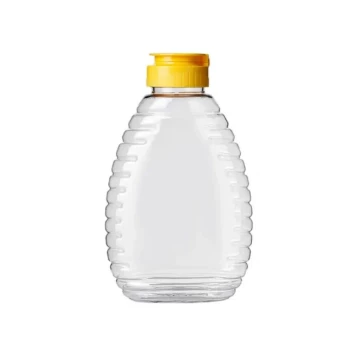
- Squeezable No-Drip Beehive-Shaped Honey Jars with Flip-Top Cap
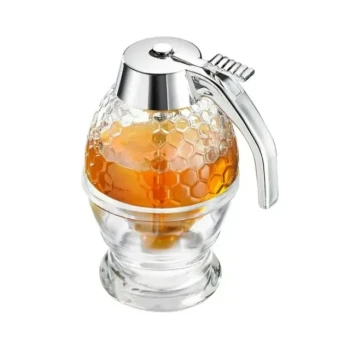
- Classic Beehive Honey Bottle Jar with Squeeze Dispenser Lid
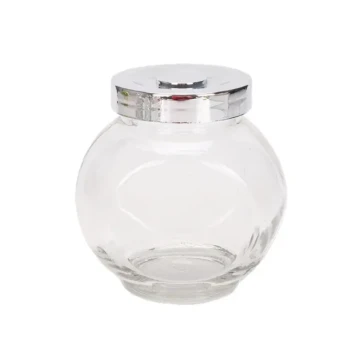
- Classic Drum Shaped Glass Honey Jar with Airtight Lid
- Plastic Transporting Bee Packages and Nuc Boxes for Beekeeping
People Also Ask
- What key operational precautions should be taken when using honey buckets and extractors fitted with bottom drain taps?
- What functions do food-grade honey buckets perform? Safeguard Your Harvest and Optimize Apiary Logistics
- Why are food-grade plastic buckets preferred for honey? Protect Quality with Modern Honey Collection Tools
- What is the significance of food-grade plastic honey collection buckets? Boost Quality in Forest Honey Logistics
- What is a honey pail? The Essential Container for Protecting Your Honey's Value