The most important precaution is simple: verify every bottom drain tap is fully closed before starting extraction, transferring honey, or filling a bucket. Honey can flow quietly without splashing, so an open tap may cause a complete loss of harvested honey and contaminate the floor before anyone notices. Use food-grade plastic or stainless steel buckets with secure, leak-proof honey gates, and inspect the outlet and seal before every operation.
Bottom drain taps create a convenient transfer point, but they also introduce a serious leak risk. Treat every tap as a critical control point: close it, inspect it, and position the equipment over a clean receiving container before honey begins to flow.
Preventing Honey Loss at the Tap
Confirm the Tap Is Fully Closed
Before loading frames into an extractor or pouring honey into a storage bucket, operate the bottom tap and confirm that it has reached its closed position. Do not rely only on the handle position; check the outlet for any honey seepage.
This check should be repeated after moving, cleaning, or reassembling the equipment. A tap can be disturbed during handling even when it was correctly closed earlier.
Inspect the Gate, Seal, and Fittings
Examine the honey gate, gasket, threaded connection, and surrounding plastic or stainless steel for cracks, distortion, residue, or loose fittings. A damaged seal can leak even when the tap appears closed.
Replace worn or unreliable components before processing. For distributors and resellers, offering compatible replacement gates and seals is an important part of preventing avoidable product loss for customers.
Position a Receiving Container Before Opening
When honey is ready to be drained, place a clean, suitably sized bucket or bottling container directly beneath the outlet before opening the tap. Keep the container stable and confirm that its capacity is sufficient for the expected volume.
Never open a bottom tap over an uncovered floor or improvised container. A clean receiving setup protects both the honey and the processing area.
Using the Extractor Safely
Prepare Frames Correctly
Gently remove lingering bees with a bee brush and uncap the wax cells before placing the frames in the extractor. Insert frames vertically and ensure they are seated securely.
Extraction should take place away from the hive because the scent of honey and comb can attract worker bees and disrupt the operator.
Balance the Load
Arrange frames evenly to prevent excessive vibration. An unbalanced extractor can become unstable, damage comb, and place additional strain on the tap, fittings, motor, or support structure.
Do not overload the basket or exceed the equipment's stated capacity. Check that the extractor is stable on a level surface before starting it.
Control Speed and Direction
Start at a controlled speed and increase it only as appropriate for the frame condition and extractor design. Excessive centrifugal force can break comb and contaminate the honey with wax.
Spin frames for approximately five to six minutes in one direction, then reverse the direction. With a tangential extractor, manually flip the frames so the second side can be extracted.
Keep Clear of Moving Parts
Keep hands, loose clothing, tools, and other objects away from the moving basket and drive components. Stop the extractor completely before opening the lid, adjusting frames, or inspecting the equipment.
For electric models, regularly inspect the cord, controls, motor, and other electrical components. Connect the equipment shell to ground and use a properly grounded outlet to reduce shock risk.
Maintaining Product Quality
Collect Honey in Clean Equipment
Use a clean food-grade bucket or bottling tank to receive extracted honey. The container, tap, extractor, uncapping equipment, and inline filters should be thoroughly cleaned between bottling sessions.
A clean receiving container is especially important when the honey will be transferred through a bottom drain tap, since residue around the outlet can enter the finished product.
Filter and Settle Before Bottling
Filter extracted honey to remove wax particles and other impurities. Allow it to stand in a clean bottling tank or storage pail for at least 24 hours so small air bubbles and wax particles can rise to the surface for skimming.
Keep the product protected from dust, moisture, and insects while it settles. The bottom tap should remain closed until the honey is ready for controlled transfer.
Control Heat Exposure
Before uncapping, keep the honey temperature at or below 100°F (38°C). Heating should not continue beyond 24 hours, since excessive or prolonged heat can degrade honey quality and its natural composition.
Temperature control matters across the complete workflow, including storage buckets, extractors, warming equipment, and bottling systems.
Understanding the Trade-offs
Convenience Versus Leak Exposure
A bottom drain tap makes extraction, transfer, and bottling faster and more efficient. However, it creates a low-position failure point where an open or damaged gate can release a large quantity of honey quickly.
The operational answer is not to avoid bottom taps, but to make tap verification part of every start-up and transfer procedure.
Plastic Versus Stainless Steel
Durable food-grade plastic can provide a practical, lightweight, and cost-effective storage option. Stainless steel generally offers a robust solution for demanding commercial environments and repeated handling.
Regardless of material, the gate, seal, fittings, cleanability, and replacement-part availability determine whether the system is dependable in daily use.
Speed Versus Control
Fast extraction and transfer improve throughput, but rushing increases the chance of unbalanced loading, comb damage, overflow, or an unnoticed open tap. Controlled operating steps protect product yield and reduce cleanup time.
For B2B buyers, equipment should be evaluated as part of a complete workflow rather than by capacity or price alone.
Making the Right Choice for Your Goal
The following practices help align equipment selection and operating procedures with the intended use:
- If your primary focus is preventing product loss: Make full tap closure and outlet inspection mandatory before every extraction, filling, and transfer operation.
- If your primary focus is commercial throughput: Select durable food-grade buckets and extractors with reliable honey gates, compatible replacement seals, stable frames, and readily available service support.
- If your primary focus is honey quality: Use clean receiving containers, filter the extracted honey, allow at least 24 hours for settling, and limit heat exposure.
- If your primary focus is operator safety: Balance the extractor, keep clear of moving parts, avoid overloading, and ensure electrical equipment is grounded and stable.
Reliable honey processing depends on disciplined tap checks, clean equipment, controlled extraction, and fit-for-purpose products throughout the workflow.
Summary Table:
| Precaution | Action | Key Points |
|---|---|---|
| Tap Closure | Confirm tap fully closed before use | Check after movement, cleaning, or reassembly |
| Seal Inspection | Examine gate, gasket, fittings | Look for cracks, distortion, or residue |
| Container Placement | Position clean container beneath tap | Ensure stable and adequate capacity |
| Extractor Loading | Balance frames evenly | Avoid overloading |
| Speed Control | Start slow, increase gradually | Reverse direction after 5-6 minutes |
| Safety Clearance | Keep hands and objects clear | Wait for full stop before adjustments |
| Cleaning | Use clean food-grade equipment | Clean between sessions |
| Filtering | Filter and settle honey | Let stand 24+ hours before bottling |
| Temperature Control | Keep below 38°C (100°F) | Limit heating duration |
Contact us today to explore our full range of honey processing equipment and accessories, including durable buckets, extractors, and replacement parts, designed to ensure safe and efficient honey production. Our team provides expert support and fast delivery to keep your operations running smoothly.
Related Products
- Food Grade Plastic Honey Bucket Pail for Beekeeping
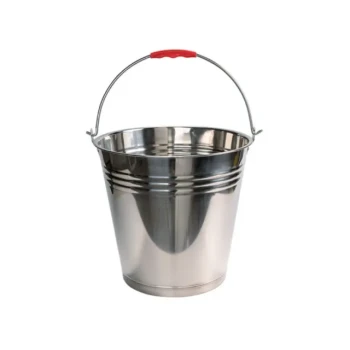
- Premium Stainless Steel Honey Tank Bucket Pail with Reinforced Handle and Polished Finish
- Plastic Honey Gate Spout with Wing Nut for Beekeeping Honey Bucket
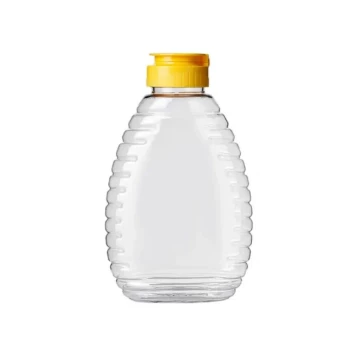
- Squeezable No-Drip Beehive-Shaped Honey Jars with Flip-Top Cap
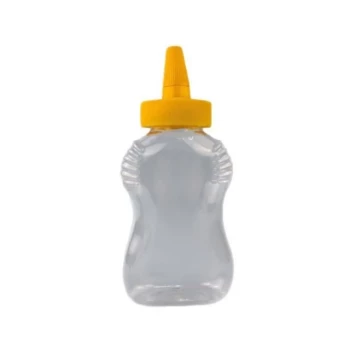
- Ergonomic Squeezable Honey Bottle with Precision Twist Nozzle Cap
People Also Ask
- What functions do food-grade honey buckets perform? Safeguard Your Harvest and Optimize Apiary Logistics
- Why are food-grade plastic buckets preferred for honey? Protect Quality with Modern Honey Collection Tools
- What is the significance of food-grade plastic honey collection buckets? Boost Quality in Forest Honey Logistics
- What is a honey pail? The Essential Container for Protecting Your Honey's Value
- How do professional honey collection buckets maintain quality? Protect Purity from Hive to Processing