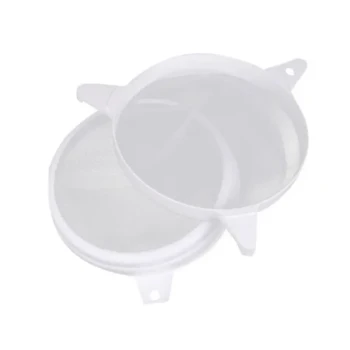
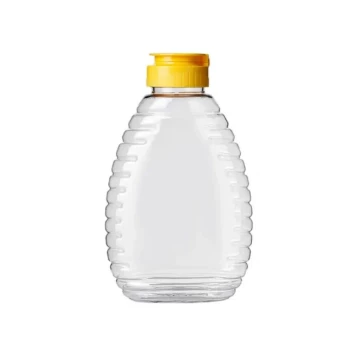
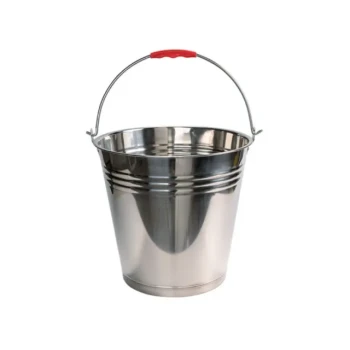
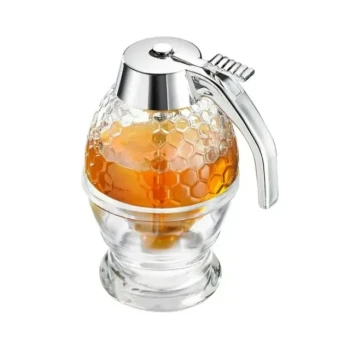
Food-grade plastic honey collection buckets serve as the foundational safeguard for honey purity in the forest trade supply chain. These standardized containers act as a critical barrier against chemical and physical contamination, ensuring that the harvested product retains the quality necessary to achieve organic certification and meet rigorous international export standards.
By replacing traditional, porous carrying methods with sealed food-grade vessels, producers transform honey collection from a casual harvest into a professional logistic operation. This ensures the product's integrity is preserved from the moment it leaves the hive until it reaches the processing center.
Elevating Hygiene and Quality Control
Eliminating Contamination Risks
The primary function of these buckets is to prevent the introduction of impurities. Unlike traditional collection methods, food-grade plastic ensures that no external chemicals or physical debris compromise the honey during the critical post-harvest phase.
Superior Sealing Capabilities
High-density industrial-grade plastic provides a robust seal that traditional materials cannot match. This sealing capability is vital for reducing moisture absorption from the humid forest environment, which can lead to fermentation and spoilage.
Preserving Sensory Profiles
Forest honey is valued for its unique flavor notes. Proper plastic containment prevents flavor loss and protects the honey from absorbing foreign odors, a common issue when using non-standardized storage.
Streamlining Logistics and Market Access
Meeting Organic Certification Standards
To label honey as "organic," the entire chain of custody must be free from contaminants. Using clean, standardized buckets is often a mandatory prerequisite for certification bodies, proving that the honey has not come into contact with prohibited substances.
Replacing Unsanitary Traditional Methods
Historically, collectors might use goatskins or repurposed fertilizer bags. These materials are prone to leaking and contamination; replacing them with standardized buckets immediately improves hygiene and simplifies the handling process during transport.
Compliance with International Regulations
For traders aiming for the European Union or other high-value markets, strict quality control is non-negotiable. Food-grade buckets provide the technical assurance required to meet these strict international quality standards.
Understanding the Operational Trade-offs
Initial Investment vs. Traditional Low-Cost Methods
While superior in performance, food-grade buckets represent a higher upfront cost compared to reusing fertilizer bags or traditional skins. Stakeholders must view this as a capital investment in product value rather than a mere consumable expense.
The Maintenance Requirement
A bucket is only "food-grade" if it remains clean. Adopting this logistics model requires implementing strict cleaning protocols to ensure the buckets do not become a source of contamination themselves over time.
Logistical Volume Constraints
Rigid plastic buckets are bulkier to transport into deep forest areas than flexible bags. This may require adjusting transport logistics to accommodate the volume of empty containers heading into the harvest site.
Ensuring Commercial Viability
To maximize the value of your forest honey trade, assess your target market requirements against your logistical capabilities.
- If your primary focus is International Export: You must standardize on food-grade plastic immediately to satisfy EU-level hygiene and organic certification requirements.
- If your primary focus is Local Traditional Markets: You may phase in these buckets gradually to improve hygiene without overwhelming collectors with immediate high costs.
- If your primary focus is Long-Term Storage: Prioritize high-density buckets with superior sealing gaskets to prevent moisture ingress and fermentation.
Investing in proper containment is the single most effective step you can take to transition from a raw commodity trader to a supplier of premium, certified forest honey.
Summary Table:
| Feature | Traditional Methods (Skins/Bags) | Food-Grade Plastic Buckets | Impact on Honey Quality |
|---|---|---|---|
| Contamination Risk | High (porous, chemical residue) | Minimal (inert, non-toxic) | Prevents chemical/physical impurities |
| Sealing Ability | Poor/Non-existent | High-density airtight seals | Prevents moisture ingress & fermentation |
| Aroma Retention | Prone to odor absorption | Excellent barrier properties | Preserves unique forest flavor profiles |
| Market Access | Limited to local/low-value | Required for Organic/Export | Enables premium pricing & international trade |
| Durability | Low (prone to leaks) | High (industrial-grade) | Ensures safety during forest transport |
Scale Your Honey Business with HONESTBEE Professional Solutions
Transitioning from a raw commodity trader to a premium forest honey supplier requires the right equipment. HONESTBEE is dedicated to supporting commercial apiaries and distributors with high-quality, food-grade beekeeping tools and industrial machinery.
Whether you need standardized honey collection buckets, advanced honey-filling machines, or a full suite of specialized beekeeping consumables, we provide the wholesale infrastructure to elevate your operation.
Ready to meet international export standards and maximize your harvest value?
Contact HONESTBEE Today for a Wholesale Quote
References
- Janet Lowore. Understanding the Livelihood Implications of Reliable Honey Trade in the Miombo Woodlands in Zambia. DOI: 10.3389/ffgc.2020.00028
This article is also based on technical information from HonestBee Knowledge Base .
Related Products
- Food Grade Plastic Honey Bucket Pail for Beekeeping
- Plastic Honey Gate Spout with Wing Nut for Beekeeping Honey Bucket
- Two-Stage Plastic Honey Filter for Buckets
- Squeezable No-Drip Beehive-Shaped Honey Jars with Flip-Top Cap
- Classic Beehive Honey Bottle Jar with Squeeze Dispenser Lid
People Also Ask
- What key operational precautions should be taken when using honey buckets and extractors fitted with bottom drain taps?
- What functions do food-grade honey buckets perform? Safeguard Your Harvest and Optimize Apiary Logistics
- Why are food-grade plastic buckets preferred for honey? Protect Quality with Modern Honey Collection Tools
- What is a honey pail? The Essential Container for Protecting Your Honey's Value
- How do professional honey collection buckets maintain quality? Protect Purity from Hive to Processing