Food-grade plastic buckets are the superior choice for modern honey collection because they drastically minimize the risk of post-harvest deterioration. While traditional clay pots are fragile and susceptible to heat, and leather bags often leach unwanted odors into the product, food-grade plastic provides the chemical stability and superior sealing properties required to maintain honey's natural purity.
Core Takeaway Traditional containers like clay and leather compromise honey quality through fragility, poor hygiene, and odor contamination. Switching to food-grade plastic is essential for blocking moisture absorption and ensuring the product meets the strict hygiene standards required for export and commercial processing.
Protecting Chemical and Physical Integrity
The Barrier Against Moisture
Honey is naturally hygroscopic, meaning it readily absorbs moisture from the air. Traditional woven bags or porous clay pots fail to provide an adequate barrier against humidity.
Food-grade plastic buckets utilize superior sealing technologies that create an airtight environment. This prevents environmental moisture from diluting the honey, which is the primary cause of fermentation and spoilage.
Chemical Stability and Odor Neutrality
The vessel holding the honey must not alter its chemical composition. Animal leather bags are notorious for imparting strong, undesirable odors that ruin the honey's natural floral profile.
Plastic containers are chemically inert and stable. They do not react with the acidic components of honey, nor do they release foreign scents, ensuring the volatile flavors of the honey remain intact from the apiary to the market.
Logistics and Hygiene
Durability in Transport
Clay pots are inherently fragile and heavy, making them liabilities during transport over rough terrain.
Industrial-grade plastic buckets offer high strength while remaining lightweight. They withstand the physical rigors of long-distance logistics without risking the catastrophic product loss associated with breakage.
Sanitation and Export Standards
Meeting international export standards requires impeccable hygiene. Traditional animal skin bags and untreated clay pots are difficult to clean thoroughly and are prone to microbial contamination.
Plastic buckets are designed with smooth surfaces that are easy to sanitize. This prevents secondary contamination during the transition to processing centers, preserving the hygienic quality and economic value of the harvest.
Understanding the Trade-offs
The Necessity of "Food-Grade" Certification
Not all plastic is suitable for honey storage. You must strictly avoid general-purpose industrial plastics, which may leach harmful chemicals.
You must verify that the buckets are explicitly certified as food-grade. Using non-certified plastic negates the safety benefits and can introduce chemical contaminants worse than those found in traditional methods.
Thermal Considerations
While plastic resists heat better than clay in terms of physical integrity, it is not an insulator.
Plastic buckets exposed to direct sunlight for extended periods can still heat the honey, potentially degrading heat-sensitive enzymes. Proper shading during transport remains necessary regardless of the container type.
Making the Right Choice for Your Goal
To maximize the value of your honey harvest, select your equipment based on your specific operational needs:
- If your primary focus is Export Quality: Prioritize food-grade plastic for its airtight sealing to prevent oxidation and moisture absorption, satisfying strict international hygiene protocols.
- If your primary focus is Logistics and Transport: Choose high-strength industrial plastic buckets to eliminate breakage risks and reduce transport weight over rough terrain.
By standardizing on food-grade plastic, you transform honey collection from a traditional practice into a professional operation that safeguards product value.
Summary Table:
| Feature | Food-Grade Plastic Buckets | Traditional Clay Pots | Leather Bags |
|---|---|---|---|
| Moisture Barrier | Excellent (Airtight) | Poor (Porous) | Poor (Permeable) |
| Chemical Stability | High (Inert) | Moderate | Low (Odor Leaching) |
| Durability | High (Impact Resistant) | Low (Fragile) | Moderate |
| Hygiene/Cleaning | Easy to Sanitize | Difficult | Very Difficult |
| Transport Weight | Lightweight | Heavy | Lightweight |
| Export Suitability | High | Low | None |
Elevate Your Apiary Operation with HONESTBEE
Transitioning to professional-grade equipment is the first step toward securing high-value honey exports. HONESTBEE specializes in supporting commercial apiaries and distributors with a robust selection of beekeeping essentials. From certified food-grade storage solutions and honey-filling machines to hive-making hardware, we provide the tools you need to maintain product purity and operational efficiency.
Ready to scale your production? Contact us today to explore our wholesale machinery and high-performance consumables tailored for the global beekeeping industry.
References
- Abera Belay. Sheka forest biosphere reserve beekeeping practices and characteristics of Schefflera abyssinica honey, Ethiopia. DOI: 10.1007/s10668-020-01143-9
This article is also based on technical information from HonestBee Knowledge Base .
Related Products
- Food Grade Plastic Honey Bucket Pail for Beekeeping
- Plastic Honey Gate Spout with Wing Nut for Beekeeping Honey Bucket
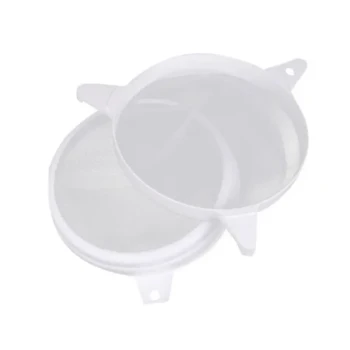
- Two-Stage Plastic Honey Filter for Buckets
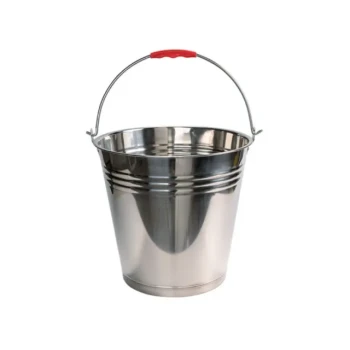
- Premium Stainless Steel Honey Tank Bucket Pail with Reinforced Handle and Polished Finish
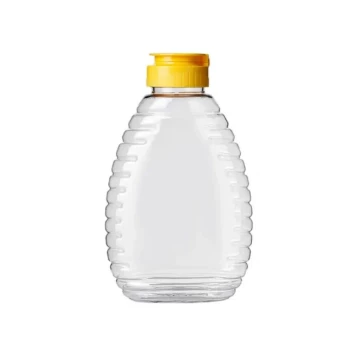
- Squeezable No-Drip Beehive-Shaped Honey Jars with Flip-Top Cap
People Also Ask
- What key operational precautions should be taken when using honey buckets and extractors fitted with bottom drain taps?
- What functions do food-grade honey buckets perform? Safeguard Your Harvest and Optimize Apiary Logistics
- What is the significance of food-grade plastic honey collection buckets? Boost Quality in Forest Honey Logistics
- What is a honey pail? The Essential Container for Protecting Your Honey's Value
- How do professional honey collection buckets maintain quality? Protect Purity from Hive to Processing