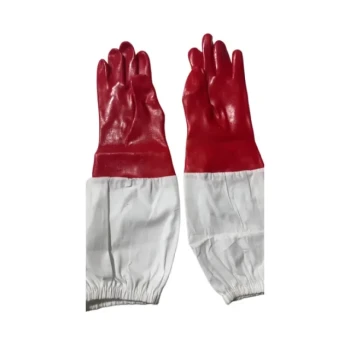
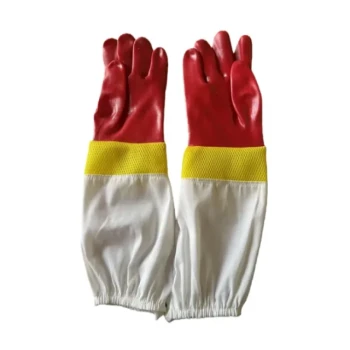
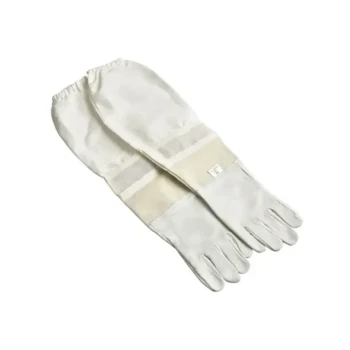
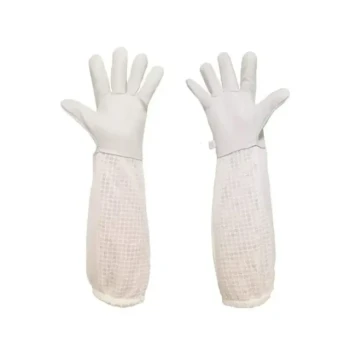
Heavy-duty leather gloves with extended gauntlets are recommended for professional hive frame inspections because they reduce sting exposure, protect the forearms, and remain durable across repeated hive work. Bare hands leave workers vulnerable to painful stings, while thin gloves can tear or split during inspections across multiple colonies. By preventing sting-related numbness and pain, leather gauntlet gloves help preserve manual control and reduce the risk of dropping frames or delaying maintenance.
For extensive commercial inspections, leather gauntlet gloves provide dependable protection and durability where bare hands and thin gloves may fail. They are not the best choice for every task, but they are particularly valuable when colony defensiveness, rough equipment, and long inspection cycles increase exposure.
Why Professional Inspections Require More Protection
Repeated Stings Impair Frame Handling
A sting is not only a safety concern. Repeated stings can cause pain, numbness, and reduced manual dexterity, making it harder to grip and manipulate hive frames accurately.
When hand control deteriorates, workers may drop frames during inspection or maintenance. That can damage equipment, disturb the colony, and create avoidable operational delays.
Bare Hands Leave Multiple Areas Exposed
Bare hands provide maximum tactile sensitivity but no physical barrier against stings. During frame inspections, bees may contact the fingers, back of the hand, wrist, and lower forearm.
A glove with an extended gauntlet covers more than the hand alone. It helps close the vulnerable gap between the glove and protective clothing, especially when workers reach deeply into a hive or handle equipment repeatedly.
Commercial Work Increases Cumulative Exposure
Inspecting one hive is different from inspecting many colonies in succession. In a commercial apiary, the number of hand movements and opportunities for stings increases throughout the workday.
This makes durability and consistent protection important purchasing criteria. Gloves that split after limited use create replacement costs and can leave workers unexpectedly exposed.
How Leather Gauntlet Gloves Support Efficiency
Durable Material for Rough Hive Equipment
Hive frames and woodenware can contain rough edges, splinters, propolis, and tight components. High-quality leather gloves provide a durable barrier while workers separate, lift, and reposition frames.
Their value is therefore broader than sting resistance. They are also suited to the physical handling demands of repeated hive management.
Protection That Preserves Productivity
Preventing hand stings helps workers maintain concentration and dexterity throughout an inspection cycle. Fewer interruptions can support more predictable maintenance schedules and smoother labor utilization.
For distributors and professional buyers, this makes leather gauntlet gloves part of a reliable protective-equipment program, rather than a disposable accessory selected only for individual comfort.
Better Fit for Demanding Conditions
Heavy-duty gloves are especially appropriate when colonies are defensive, bee populations are high, or honey stores are at their peak. They are also useful during hive transportation and late-summer honey harvesting, when exposure can be more demanding.
The extended cuff adds meaningful protection when the task involves deep reaching, lifting, or movement that exposes the lower arm.
Why Thin Gloves and Bare Hands Are Still Used
Thin Gloves Provide Better Tactile Feedback
Thin disposable latex gloves allow workers to feel hive components more precisely. This can improve delicate manipulation and reduce the chance of crushing bees during careful frame handling.
That sensitivity is valuable when working with calm colonies or performing tasks that require precise finger control.
Bare Hands Maximize Dexterity
Some experienced beekeepers prefer bare hands for highly controlled work with docile colonies. Direct contact provides the clearest tactile feedback and can support delicate frame manipulation.
The trade-off is complete exposure to stings. Bare-hand work is therefore less suitable when colony behavior or the scale of the operation makes repeated exposure likely.
Protection Should Match the Task
The correct glove is determined by colony temperament, task demands, inspection duration, and operating scale. Heavy leather gloves should not be treated as the automatic answer for every hive interaction.
Professional operations benefit from maintaining appropriate options rather than forcing one glove type across all conditions.
Understanding the Trade-offs
Heavy Leather Can Reduce Sensitivity
Thicker leather makes it harder to feel small components and may cause clumsier frame handling. Poor technique or an unnecessarily bulky glove can increase the risk of accidentally crushing bees.
Workers may need practice with the glove design before using it for delicate inspections.
Reduced Dexterity Can Affect Colony Behavior
Crushing bees can trigger defensive behavior. If heavy gloves make manipulation too imprecise, the additional protection may contribute indirectly to a more difficult inspection.
Glove selection should therefore balance sting protection with sufficient control, rather than equating maximum thickness with maximum effectiveness.
Thin Materials Have Limited Durability
Thin gloves provide excellent sensitivity but can tear rapidly when used across multiple colonies or around rough woodenware. Once a glove splits, its protective value drops sharply.
For high-volume work, lower initial cost may be outweighed by frequent replacement, interruptions, and inconsistent protection.
One Product May Not Suit Every Buyer
A distributor or wholesaler serving diverse beekeeping customers may need several glove categories. Commercial apiaries, hobbyists, honey producers, and operators managing defensive colonies have different protection and dexterity requirements.
A full-spectrum product portfolio allows buyers to match glove construction and cuff length to the actual work environment.
Making the Right Choice for Your Goal
The strongest purchasing decision begins with the operating conditions rather than the glove label.
- If your primary focus is commercial apiary inspections: Choose durable leather gloves with extended gauntlets to reduce repeated sting exposure and support consistent work across multiple colonies.
- If your primary focus is delicate frame manipulation: Consider thinner gloves when colony behavior is calm and maximum tactile sensitivity is more important than heavy protection.
- If your primary focus is defensive colonies or seasonal peak work: Prioritize heavy-duty leather and forearm coverage for the increased exposure associated with aggressive colonies, transportation, and late-summer harvesting.
- If your primary focus is distribution or wholesale supply: Stock complementary glove options so customers can select protection based on colony temperament, task precision, and inspection volume.
The right glove preserves both worker safety and operational control by matching protection, durability, and dexterity to the demands of the hive.
Summary Table:
| Glove Type | Sting Protection | Forearm Coverage | Durability | Dexterity | Best For |
|---|---|---|---|---|---|
| Heavy-Duty Leather Gauntlet | High | Extended | High | Reduced | Commercial inspections, defensive colonies, rough equipment |
| Thin Gloves | Low | None | Low | High | Calm colonies, delicate tasks |
| Bare Hands | None | None | N/A | Maximum | Quick tasks with docile bees |
Equip your apiary with premium heavy-duty leather gauntlet gloves from HONESTBEE. Our wholesale supply ensures durable protection for your team, enhancing efficiency and safety. Partner with us for fast delivery, OEM/ODM support, and reliable stock. Contact us now to secure your supply and boost your operational success!
Related Products
- Heavy Duty Red Rubber Beekeeping Gloves with Extended Pure Cotton Sleeves for Beekeepers
- Heavy Duty Red Rubber Beekeeping Gloves with Vented Mesh Cotton Sleeves
- Goat Skin Leather Bee Sting Proof Beekeeping Gloves with Canvas Sleeve
- Goatskin Leather Beekeeper Gloves with Vent Long Sleeve for Beekeeping Honey Bee Sting Proof Protection
- Beekeeping Gloves Goatskin Leather with Long Cotton Sleeve for Beekeepers
People Also Ask
- When might a beekeeper decide to work without gloves? Master Hive Finesse and Dexterity
- Why is cleaning beekeeping gloves necessary? Vital Steps for Apiary Biosecurity and Hive Management
- What factors should be considered when selecting beekeeping gloves? Balance Protection and Dexterity
- What are the benefits of properly cleaning and storing beekeeping gloves? Protect Your Bees, Safety & Investment
- Why is personal preference important when choosing beekeeping gloves? Find Your Perfect Fit for Protection & Dexterity