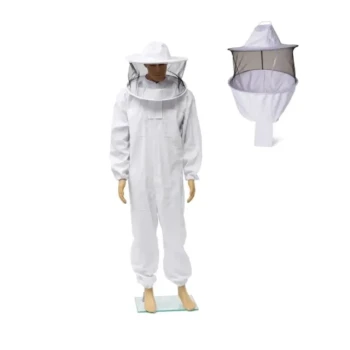
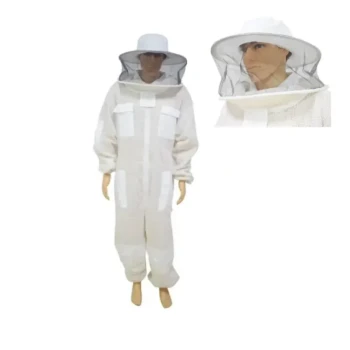
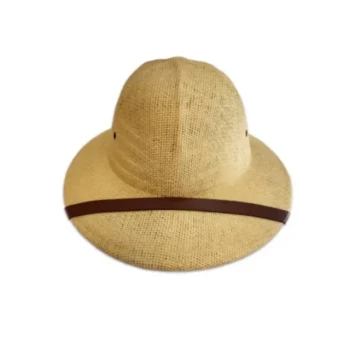
Professional Bee Suits and Veils act as a fundamental physical barrier between the operator and the colony, utilizing hooded jackets, coveralls, and specialized gloves to prevent stings. This protection is not merely for comfort; it enables technicians to execute delicate management tasks with the necessary focus and steadiness, free from the distraction of defensive bee behavior.
The true value of professional protective gear extends beyond avoiding pain; it creates a stable operating environment. By removing the fear of stings, operators avoid rushed movements that cause colony stress, thereby ensuring the precision required for high-stakes tasks like queen rearing and larval grafting.
Enabling Operational Precision
Eliminating the "Rush" Factor
Without adequate protection, the natural human reaction to defensive bee behavior is to hurry through the task to escape potential stings.
Professional gear neutralizes this urgency. It allows the beekeeper to work deliberately and calmly, which is essential for proper hive management.
Facilitating Delicate Procedures
Advanced beekeeping involves intricate tasks such as larva grafting, colony splitting, and comb inspections.
These procedures require steady hands and undivided attention. A secure veil and suit allow the technician to focus entirely on the biology of the hive rather than their own safety.
Colony Health and Stability
Reducing Stress-Induced Disturbances
Bees—particularly defensive species like Apis cerana—react negatively to erratic movements or operator anxiety.
Protective equipment, including sleeve protectors and specialized socks, minimizes these disturbances. By maintaining a calm presence, the operator increases the success rate of sensitive biological processes, such as artificial queen rearing.
Protecting the Queen
One of the highest risks during a hurried inspection is accidental injury to the queen bee.
By allowing for slow, controlled manipulation of frames, professional suits ensure the queen is identified and preserved. This directly safeguards the future productivity of the colony.
The Role in Api-Tourism
Ensuring Compliance and Safety
For operations involving visitors or interactive honey extraction, professional gear is a non-negotiable compliance standard.
High-quality suits and breathable veils provide a "psychological safety net" for untrained visitors. This facilitates deep engagement in the production process without the risk of liability or injury.
Understanding the Trade-offs
The Risk of Complacency
While professional gear offers robust protection, it can create a false sense of invincibility.
Operators must never assume the gear is impenetrable. It is critical to diligently check zippers and folds for gaps before approaching the hive.
Post-Operation Vigilance
The protection ends when the suit comes off, but the risk does not always subside immediately.
You must inspect the gear for stray bees hidden in creases or folds after handling the colony. Failing to do so can lead to stings in "safe" zones away from the apiary.
Making the Right Choice for Your Goal
Whether you are managing a commercial apiary or running an educational tour, the utility of the gear changes based on your objective.
- If your primary focus is Colony Productivity: Prioritize gear that offers maximum mobility and security to ensure high success rates in grafting and queen management.
- If your primary focus is Api-Tourism: Select gear that prioritizes complete physical isolation and "peace of mind" to ensure visitor safety and regulatory compliance.
In professional beekeeping, the suit is not just armor; it is a tool of precision that dictates the quality of your interaction with the hive.
Summary Table:
| Feature | Impact on Hive Management | Key Benefit |
|---|---|---|
| Full-Body Barrier | Eliminates defensive bee distractions | Allows for steady, precise movements |
| Secure Veils | Protects face while maintaining visibility | Facilitates delicate tasks like larva grafting |
| Sleeve/Sock Protectors | Minimizes erratic operator behavior | Reduces colony stress and aggressive reactions |
| Controlled Manipulation | Prevents rushed frame handling | Safeguards the queen and colony productivity |
| Visitor Gear | Provides psychological safety for guests | Essential for compliance in api-tourism and tours |
Elevate Your Apiary Operations with HONESTBEE
Precision beekeeping starts with professional-grade protection. At HONESTBEE, we specialize in supporting commercial apiaries and distributors with a comprehensive range of high-performance beekeeping tools and equipment. From breathable, secure bee suits and veils that ensure worker safety to advanced hive-making and honey-filling machinery, our portfolio is designed to enhance your operational efficiency.
Whether you are scaling your honey production or looking to stock premium beekeeping consumables and cultural merchandise, HONESTBEE provides the wholesale solutions you need to succeed.
Ready to optimize your apiary or distribution network? Contact us today to explore our full equipment catalog and discover the HONESTBEE advantage.
References
- Wongelu Endale Gobena. Improved Beekeeping Technologies as Intervention for Unemployed Youth Group. DOI: 10.7176/jbah/12-6-02
This article is also based on technical information from HonestBee Knowledge Base .
Related Products
- Professional Beekeeper Suit with Square Folding Cotton Veil
- White Cotton Beekeeping Jacket and Veil for Bee Keepers
- Professional Cotton Beekeeper Suit with Round Veil Design for Commercial Apiaries
- Premium Three Layer Ventilated Bee Suit with Round Veil
- Premium Cotton Beekeeper Suit with Reinforced Fencing Veil
People Also Ask
- What material and design specifications are recommended for a high-quality beekeeper suit? Top Gear Selection Guide
- Why is mobility crucial when wearing a beekeeping suit? Essential Fit Guide for Optimal Safety and Performance
- How does climate influence the choice of a beekeeping suit? Stay Safe and Comfortable in Any Weather
- What features are important in a high-quality beekeeping suit? Maximize Protection & Comfort
- What substances can accumulate on a beekeeping suit over time? A Guide to Hive Contaminants