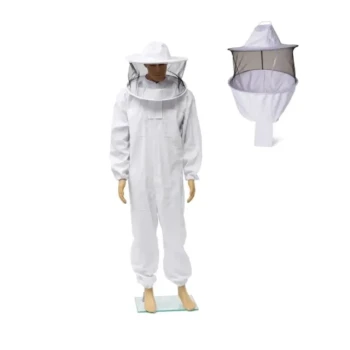
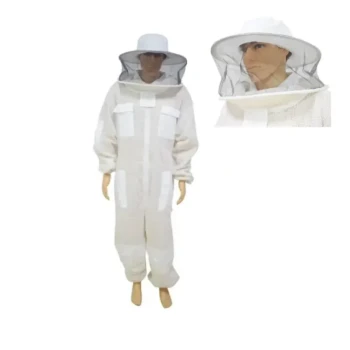
Mobility in a beekeeping suit is a safety requirement, not just a luxury, because apiary work involves constant physical maneuvering, such as bending over hives, lifting heavy boxes, and reaching across frames. To ensure you have the necessary freedom of movement, the suit must never be tight in the crotch or shoulder areas; tightness in these zones indicates the suit is the wrong size and will compromise your ability to work effectively.
Beekeeping is an active pursuit requiring you to bend, lift, and reach constantly. A properly fitted suit offers ample slack in the shoulders and crotch to prevent fabric tension, which safeguards against stings and ensures you can manipulate hive components without restriction.
The Operational Necessity of Mobility
The Physical Demands of the Hive
Beekeeping is rarely a static activity. It requires a full range of physical motion, including bending over to inspect frames and lifting heavy supers.
Because you are constantly moving around the hives, your protective gear must accommodate these dynamic shifts in posture.
The Risks of Restricted Movement
If a suit restricts your movement, you lose the agility required to handle delicate honeycombs or heavy equipment safely.
Furthermore, when fabric pulls tight against the skin due to poor mobility, it eliminates the air gap between you and the suit. This brings the mesh or cloth directly against your skin, making it easier for a bee to sting through the material.
Critical Zones for Fit
The Shoulder Area
The shoulders are a primary pivot point for upper body movement. When you reach forward to lift a frame, the fabric across your back tightens.
If the suit is tight in the shoulders while standing still, it will severely restrict your reach when you begin working. You need excess fabric here to allow for full arm extension without the cuffs riding up or the fabric pressing against your skin.
The Crotch Area
The crotch area is the critical failure point for lower body mobility.
As you bend or squat to lift a hive box from the ground, the vertical length of the suit is tested. If the crotch is too high or tight, it will prevent you from bending properly, forcing you into unsafe lifting postures that can lead to injury.
Identifying the Correct Size
If you feel constriction in either the crotch or shoulders, the suit is not the correct size.
A proper fit feels loose and perhaps slightly oversized when standing upright. This "extra" room is exactly what is consumed when you adopt working positions in the apiary.
Common Pitfalls to Avoid
Overlooking Pocket Placement
While pockets enhance efficiency by providing accessible storage for tools, they can impede mobility if poorly designed.
Ensure that when your pockets are loaded with hive tools, they do not dig into your body or obstruct your legs when you bend down. The utility of storage should never come at the cost of your freedom of movement.
Misjudging Material Stiffness
While fit is the primary factor in mobility, the material itself plays a role.
Stiffer, heavy-duty fabrics may offer robust protection but can feel more restrictive than softer cotton or vented synthetic blends. Be aware that a heavier suit may require a slightly looser fit to achieve the same range of motion as a lighter, more flexible suit.
Making the Right Choice for Your Goal
To select the best suit for your needs, consider how your working style interacts with the suit's design.
- If your primary focus is maximum range of motion: Prioritize a suit with a generous cut in the torso and rise, ensuring no tension is felt in the shoulders or crotch when squatting.
- If your primary focus is workflow efficiency: Look for a suit with well-placed pockets that allow you to carry tools without restricting your ability to bend or walk around the apiary.
- If your primary focus is preventing stings: Ensure the fit is loose enough that the fabric drapes away from the skin, particularly at high-tension points like the back and thighs.
The right beekeeping suit should feel like a spacious second skin that moves with you, never against you.
Summary Table:
| Fit Factor | Critical Areas | Why It Matters |
|---|---|---|
| Upper Body Mobility | Shoulders & Back | Allows for full arm extension and lifting without fabric tension. |
| Lower Body Mobility | Crotch & Rise | Essential for bending and squatting to handle hive boxes safely. |
| Sting Prevention | Fabric Slack | Ensures an air gap between skin and mesh to block stinger reach. |
| Utility Design | Pocket Placement | Prevents tools from obstructing movement during active apiary work. |
Elevate Your Apiary Operations with HONESTBEE
At HONESTBEE, we understand that for commercial apiaries and distributors, the right gear is the foundation of productivity. A poorly fitted suit isn't just uncomfortable—it's a safety risk that slows down your team.
We provide a comprehensive wholesale range of professional-grade beekeeping tools, machinery, and apparel designed for maximum mobility and durability. Whether you need high-performance protective suits, specialized hive-making machines, or honey-filling equipment, our portfolio is built to support your growth.
Ready to scale your business with premium equipment? Contact us today to explore our wholesale offerings and see how our industry expertise can streamline your workflow.
Related Products
- Premium Cotton Beekeeper Suit with Reinforced Fencing Veil
- Professional Cotton Beekeeper Suit with Round Veil Design for Commercial Apiaries
- Professional Beekeeper Suit with Square Folding Cotton Veil
- Vented Beekeeping Jacket with Hood and Veil for Beekeepers
- Three-Layer Ventilated Beekeeper Suit with Structured Fencing Veil
People Also Ask
- What material and design specifications are recommended for a high-quality beekeeper suit? Top Gear Selection Guide
- How to Pre-treat Propolis Stains on Beekeeping Suits? Master Advanced Fabric Care and Soil Removal
- What features should be considered for sting protection in a beekeeping suit? Ensure Total Safety and Comfort
- What are the differences between full suits and jackets with veils in beekeeping? Choose Your Best Protection
- What features should be looked for in a beekeeping suit for maximum comfort? Prioritize Ventilation and Fit