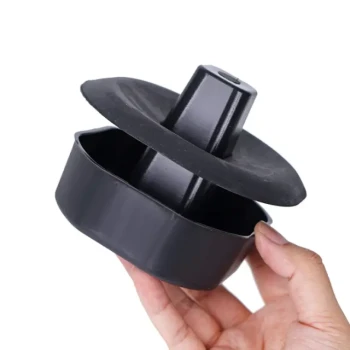
Specialized ant-proof stands serve as critical defensive infrastructure to prevent colony loss in Africanized honeybee apiaries. These physical barriers block nocturnal predators, specifically Camponotus species ants, from infiltrating the hive, directly addressing the high sensitivity of Africanized bees to disturbance and preventing the biological trigger that causes them to abscond (abandon the hive).
Core Insight Africanized honeybees have an extremely low tolerance for external stress; harassment by predators is a primary cause of colony loss. Physical barrier consumables are not just protective equipment—they are essential retention tools that stabilize the colony by eliminating the environmental pressure that drives these bees to migrate.
The Biology of Absconding
High Sensitivity to Disturbance
Africanized honeybees differ significantly from other subspecies regarding their reaction to threats. They possess a heightened sensitivity to external disturbances and environmental stress.
The Flight Response
When harassed, rather than simply defending the hive, Africanized colonies are prone to absconding. This means the entire colony will abandon the nesting site to seek a safer location, resulting in a total loss for the apiary.
The Nocturnal Threat
Ants, particularly the Camponotus species, often harass hives during the night. Without a physical barrier, these predators can enter the hive freely, creating the persistent stress that triggers an absconding event.
The Role of Infrastructure in Semi-Arid Regions
Mitigating Environmental Pressure
In semi-arid regions, bees already face significant stress due to extreme dry seasons. The scarcity of natural nectar and water makes colonies less stable and more likely to migrate.
The Compound Effect
When the stress of a dry environment is combined with biological harassment from ants, the probability of absconding increases dramatically. Ant-proof stands remove the biological stressor, allowing the colony to tolerate the environmental challenges better.
Enabling Fixed-Location Beekeeping
To transform wild bee resources into a large-scale industry, colonies must remain in fixed locations. Protective consumables provide the physical foundation required to retain these nomadic-leaning bees in a controlled apiary setting.
Understanding the Trade-offs
Equipment is Not a Panacea
While ant-proof stands effectively block predators, they do not address the root causes of resource scarcity. A stand will stop ants, but it will not prevent absconding due to starvation or dehydration.
The Need for Holistic Management
Physical barriers must be paired with active management interventions. In semi-arid zones, this includes utilizing supplemental hydration and feeding facilities to ensure survival during the dry season.
Maintenance Requirements
Physical barriers often rely on consumables (such as grease or oil in barrier cups) to function. If these are not regularly maintained, the "ant-proof" status fails, and the investment in the stand is nullified.
Making the Right Choice for Your Goal
To maximize the stability of your apiary, align your infrastructure choices with your specific management objectives.
- If your primary focus is Colony Retention: Invest in high-quality ant-proof stands immediately, as predator harassment is the leading biological cause of absconding in Africanized bees.
- If your primary focus is Commercial Production: Combine physical barriers with supplemental feeding and hydration systems to mitigate both biological threats and the resource scarcity of semi-arid dry seasons.
Ultimately, the ant-proof stand converts a volatile, sensitive wild resource into a manageable, stable agricultural asset.
Summary Table:
| Feature | Impact on Africanized Honeybees | Role of Ant-Proof Infrastructure |
|---|---|---|
| Disturbance Sensitivity | High; triggers colony to abscond (abandon hive) | Provides a physical barrier to prevent nocturnal ant harassment. |
| Environmental Stress | High in semi-arid regions due to resource scarcity | Reduces cumulative stress, making colonies more resilient. |
| Predator Pressure | Camponotus species cause persistent hive stress | Stops predator infiltration to stabilize the nesting site. |
| Production Goal | Wild resource becomes a stable agricultural asset | Enables fixed-location beekeeping for commercial scaling. |
Secure Your Apiary’s Future with HONESTBEE
For commercial apiaries and distributors, colony stability is the foundation of profitability. HONESTBEE specializes in providing the comprehensive wholesale solutions you need to protect your investment. From specialized ant-proof stands and physical barrier consumables to advanced hive-making and honey-filling machinery, we supply the full spectrum of beekeeping tools and industry essentials.
Don't let predator harassment drive your profits away. Let HONESTBEE empower your operations with high-quality equipment designed for the toughest environments. Contact us today to discuss your wholesale requirements and see how our portfolio can enhance your apiary's efficiency.
References
- Breno Magalhães Freitas, Isac Gabriel Abrahão Bomfim. Comportamentos de abandono e migração de colônias silvestres da abelha melífera africanizada (<em>Apis mellifera</em> L.). DOI: 10.4025/actascibiolsci.v29i4.882
This article is also based on technical information from HonestBee Knowledge Base .
Related Products
- Professional Ant-Proof Beehive Stand with Integrated Moat for Beekeeping
- Metal Hive Feet Bee Hive Stand for Ant Protection
- Plastic Bee Hive Stand for Beekeeping
- Metal Bee Hive Stand Bee Box Stand for Beekeeping
- Minimalist Stainless Steel Honeycomb Display Stand
People Also Ask
- What physical protection advantages do individual hive stands provide against Small Hive Beetles? Secure Your Apiary
- Why are specialized beehive stands or protective barriers necessary for pest management in apiaries? Secure Your Colony
- What are the benefits of elevating a bee hive with a stand or base? Protect Your Colony and Your Back
- What to stand a beehive on? The Best Foundation for a Healthy, Manageable Apiary
- How should the height of a beehive stand be determined? Find Your Ergonomic Sweet Spot