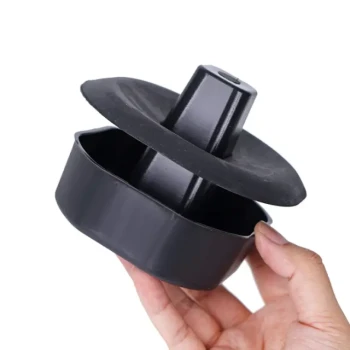
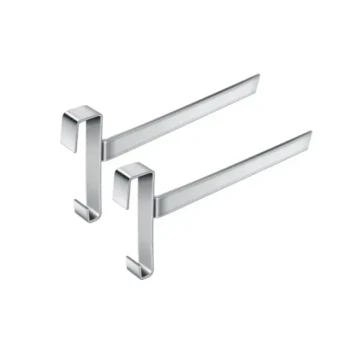
Individual hive stands with ant-proof features provide a critical physical defense by completely isolating the beehive from the ground. Through the use of mechanical or chemical barriers, these stands effectively sever the direct path for ground-crawling pests, making it significantly more difficult for Small Hive Beetles to infiltrate the colony via non-flight access points.
By physically disconnecting the hive from the soil, you force pests to overcome complex barriers, drastically reducing infestation pressure on vulnerable or newly established colonies.
The Mechanism of Physical Isolation
Severing the Ground Connection
The primary advantage of an individual hive stand is the elimination of a direct "highway" from the soil to the hive.
Small Hive Beetles often pupate in the ground and crawl toward hives to re-infest them.
By elevating the hive, you remove the easiest route of entry for emerging beetles.
Mechanical and Chemical Barriers
Ant-proof features often utilize oil cups, grease barriers, or specific geometric designs that pests cannot traverse.
These barriers act as a checkpoint that ground-crawling beetles cannot easily bypass.
This physical isolation forces the pest to attempt flight, which is a more energy-intensive and less stealthy method of entry.
Reducing Non-Flight Access
While Small Hive Beetles are capable of flight, a significant portion of their movement involves crawling, especially after pupation.
Limiting non-flight access reduces the overall number of pests testing the colony's defenses at any given time.
This reduction is vital for maintaining a manageable pest load that the bees can control naturally.
Strategic Protection for Vulnerable Hives
Safeguarding Newly Split Colonies
New splits often lack the population density required to patrol a large hive effectively.
The primary reference indicates that physical isolation is particularly effective for these smaller colonies.
By reducing the number of entry points for crawling pests, you give the split a better chance to establish itself.
Supporting Weakened Colonies
Colonies recovering from stress or disease have fewer guard bees available for defense.
An individual stand acts as a force multiplier, passively blocking threats so the bees can focus on internal recovery.
This passive defense prevents the colony from being overwhelmed by opportunistic ground pests.
Understanding the Trade-offs
The Limitation of Flight
It is critical to understand that hive stands cannot prevent Small Hive Beetles from flying directly onto the landing board.
Stands are a barrier against crawling infiltration, not an impenetrable dome against aerial entry.
Maintenance Requirements
Barriers such as oil cups or grease traps require regular maintenance to remain effective.
If these barriers dry out or fill with debris, they can actually create a bridge for pests, negating the stand's advantage.
Not a Standalone Solution
Physical isolation is a powerful tool, but it is not a "silver bullet" for total eradication.
It functions best as the foundational layer of an Integrated Pest Management (IPM) strategy, rather than a single cure-all.
Optimizing Your Apiary Defense
To effectively utilize individual hive stands against Small Hive Beetles, consider your specific colony goals:
- If your primary focus is establishing new colonies: Utilize stands to provide maximum passive protection while the population numbers are low.
- If your primary focus is apiary hygiene: Ensure the ground beneath the stand is clear to discourage pupation, complementing the stand's physical barriers.
- If your primary focus is recovering weak hives: Combine the stand's isolation with other IPM methods to minimize the defensive burden on the bees.
Physical isolation is the first line of defense, ensuring that your bees fight only the pests that fly in, rather than the ones that crawl up.
Summary Table:
| Feature | Physical Defense Mechanism | Benefit for Bee Colonies |
|---|---|---|
| Ground Isolation | Severing direct contact with soil | Prevents emerging beetles from crawling into hives |
| Barrier Integration | Oil cups, grease, or geometric traps | Blocks non-flight access for ants and beetles |
| Passive Defense | Mechanical checkpoint | Reduces defensive burden on guard bees and weak splits |
| Strategic Elevation | Forced flight entry | Minimizes pest infiltration pressure on new colonies |
Shield Your Commercial Apiary with HONESTBEE Professional Equipment
Protecting your investment starts with the right infrastructure. HONESTBEE provides commercial apiaries and distributors with premium beekeeping tools and specialized machinery designed to withstand the toughest environmental challenges.
Whether you need precision-engineered hive-making machines, high-efficiency honey-filling equipment, or a bulk supply of ant-proof stands and industry consumables, our wholesale solutions are tailored to your scale. We empower you to minimize pest pressure and maximize honey yield through superior physical defense systems.
Ready to upgrade your apiary hygiene and efficiency? Contact us today to explore our full equipment catalog
References
- Sérgio Nogueira Pereira, Érica Weinstein Teixeira. Occurrence of the small hive beetle (Aethina tumida) in Melipona rufiventris colonies in Brazil. DOI: 10.13102/sociobiology.v68i1.6021
This article is also based on technical information from HonestBee Knowledge Base .
Related Products
- Professional Ant-Proof Beehive Stand with Integrated Moat for Beekeeping
- Metal Hive Feet Bee Hive Stand for Ant Protection
- Plastic Bee Hive Stand for Beekeeping
- Metal Bee Hive Stand Bee Box Stand for Beekeeping
- Heavy-Duty T-Style Frame Perch
People Also Ask
- Why are specialized ant-proof stands necessary for Africanized honeybee apiaries? Prevent Absconding in Semi-Arid Regions
- Why are specialized beehive stands or protective barriers necessary for pest management in apiaries? Secure Your Colony
- What are the benefits of elevating a bee hive with a stand or base? Protect Your Colony and Your Back
- What to stand a beehive on? The Best Foundation for a Healthy, Manageable Apiary
- How should the height of a beehive stand be determined? Find Your Ergonomic Sweet Spot