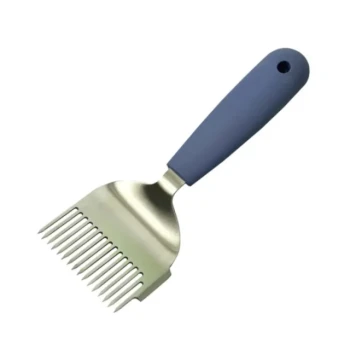
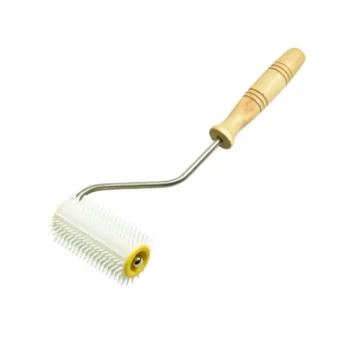
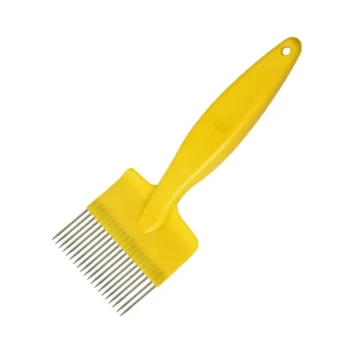
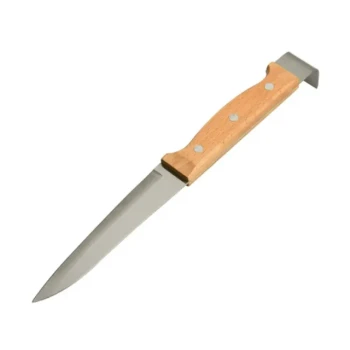
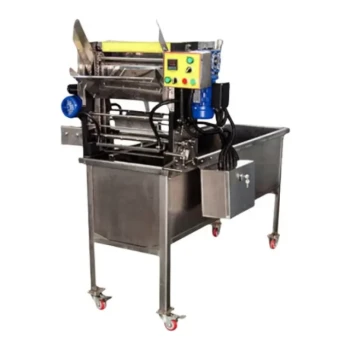
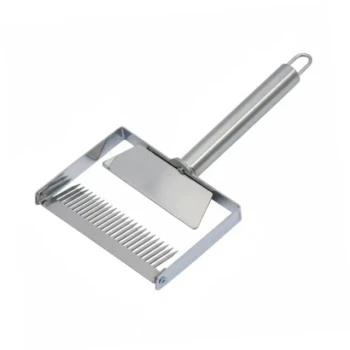
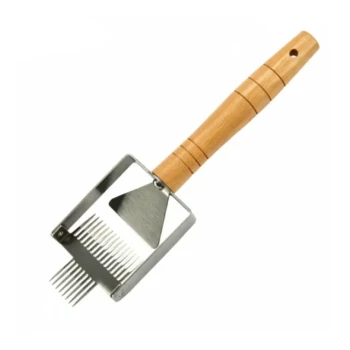
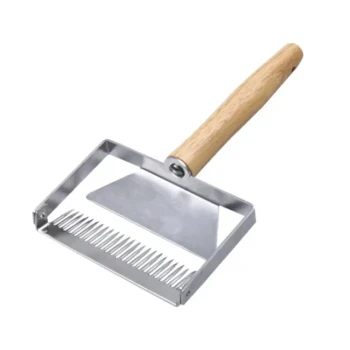
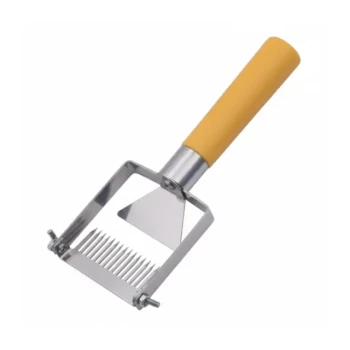
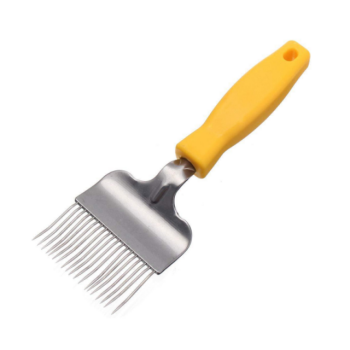
Precision is paramount when diagnosing internal hive threats. Specialized uncapping tools are essential because they allow beekeepers to open sealed brood cells without harming the developing larvae inside. Since Tropilaelaps mites primarily breed and feed within these capped cells, accessing them without damaging the host is the only way to accurately assess infection levels and larval health.
Tropilaelaps mites conceal themselves within sealed brood cells to feed and reproduce, rendering external inspection ineffective. Specialized tools enable the delicate removal of wax cappings to reveal these hidden pests while preserving the larva for a clear, accurate diagnosis of the infestation.
The Mechanics of Effective Diagnosis
To diagnose a hidden infestation, you must breach the protective barrier of the hive without destroying the evidence.
Overcoming the Physical Barrier
Tropilaelaps mites spend the majority of their reproductive phase inside sealed brood cells.
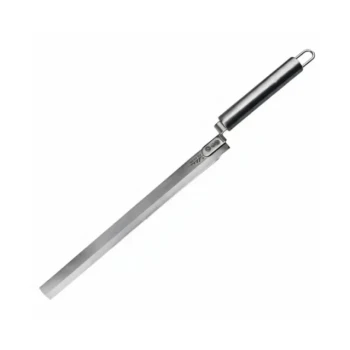
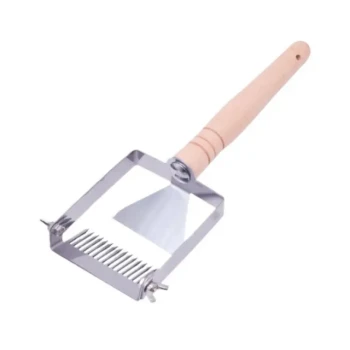
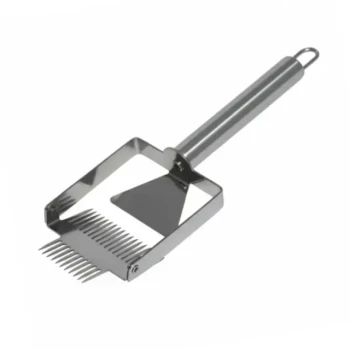
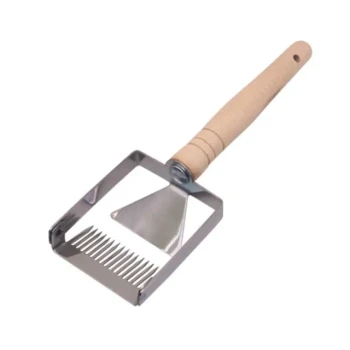
Because these parasites are hidden behind a wax capping, they are invisible during a standard frame inspection. Specialized tools, such as precise cutting instruments, are required to surgically remove this cap. This step converts a hidden problem into an observable one.
Preserving the Host for Inspection
The primary function of these tools is to protect the specimen during the uncapping process.
Standard tools are often too blunt and risk crushing or slicing the soft tissue of the developing honeybee larvae. By using fine tweezers, an inspector can lift the cap cleanly. This preservation is vital because observing the condition of the larva is just as important as counting the mites.
Why Manual Uncapping is Critical
Relying on external signs alone often leads to late diagnoses. Direct observation is the gold standard for confirmation.
Targeting the Reproductive Phase
The most critical data regarding an infestation is found where the mites reproduce.
Tropilaelaps (and Varroa) mites focus their feeding and breeding activities inside the safety of the sealed cell. Manual uncapping allows you to interrupt this cycle to measure the mite load directly. This provides a realistic snapshot of the colony's current infection status.
Assessing Larval Health
Mites do not just occupy the cell; they actively feed on the host.
By using specialized tools to leave the larva intact, you can inspect it for signs of physical damage or developmental issues caused by feeding mites. This helps confirm whether the mites are actively harming the brood population.
Understanding the Trade-offs
While manual uncapping is a powerful diagnostic technique, it requires a steady hand and specific equipment.
The Risk of Improper Tooling
Attempting this procedure without specialized equipment significantly compromises the diagnosis.
If the larva is accidentally damaged during uncapping, it becomes difficult to distinguish between mechanical damage caused by the beekeeper and biological damage caused by the mites. Precision is not optional; it is required to ensure the data you collect is valid.
Making the Right Choice for Your Goal
Selecting the right approach depends on the depth of information you require regarding your colony's health.
- If your primary focus is accurate mite quantification: Use fine tweezers to uncap cells, ensuring you can count the exact number of mites reproducing per cell.
- If your primary focus is assessing biological impact: Use precise cutting instruments to remove caps cleanly, preserving the larva to verify feeding damage or deformities.
Manual uncapping with the correct tools transforms a guess into a confirmed diagnosis, allowing for timely and effective intervention.
Summary Table:
| Tool Type | Diagnostic Function | Key Benefit |
|---|---|---|
| Fine Tweezers | Manual cap removal | Preserves soft larval tissue for health assessment |
| Precise Cutting Tools | Surgical wax breaching | Enables accurate mite load counting without damage |
| Magnification Gear | Visual enhancement | Helps identify microscopic mite feeding sites |
| Specimen Trays | Data collection | Organizes extracted mites for infestation quantification |
Secure Your Apiary’s Health with HONESTBEE Precision Equipment
Protecting your commercial honey production starts with accurate diagnosis. HONESTBEE empowers commercial apiaries and distributors with the high-quality beekeeping tools and machinery needed to combat threats like Tropilaelaps mites.
From specialized diagnostic hardware to industrial-grade hive-making and honey-filling machines, our comprehensive wholesale portfolio is designed to enhance your operational efficiency and hive survival rates. Partner with an industry leader who understands the technical demands of large-scale beekeeping.
Ready to upgrade your diagnostic kit and equipment?
Contact HONESTBEE today for a wholesale consultation.
References
- Ulzhan Nuraliyeva, Жанар Шералиева. SPREAD AND REPRODUCTION OF TROPILAELAPS SPP.AND VARROA DESTRUCTORSIMULTANEOUSLY IN APIS MELLIFERA LCOLONIES. DOI: 10.52578/2305-9397-2025-2-5-153-160
This article is also based on technical information from HonestBee Knowledge Base .
Related Products
- Professional Multi-Function Uncapping Fork with Ergonomic Rubber Grip
- Lightweight Plastic Uncapping Roller with Tines
- Professional Multi-Function Uncapping Fork with Integrated Blade for Beekeeping
- Professional Durable Plastic Handle Honey Uncapping Fork
- Professional Compact Multi-Function Uncapping Knife for Beekeeping
People Also Ask
- What is the primary use of an uncapping fork in beekeeping? A Guide to Precision Honey Harvesting
- What is the use of an uncapping fork? A Precision Tool for Hive Management and Honey Harvesting
- What is the original purpose of an uncapping fork? Mastering Precision Honey Extraction and Comb Preservation
- How is an uncapping fork used to uncap honey frames? Precision Techniques for Perfect Honey Extraction
- What is an uncapping fork? A Precision Tool for Efficient Honey Harvesting