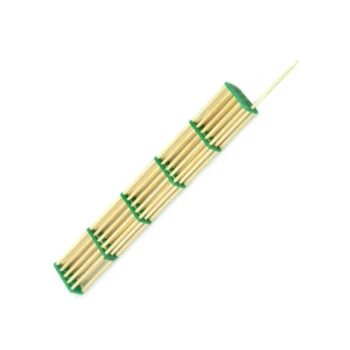
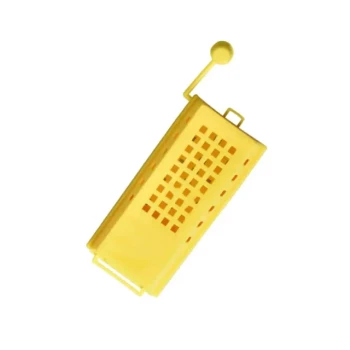
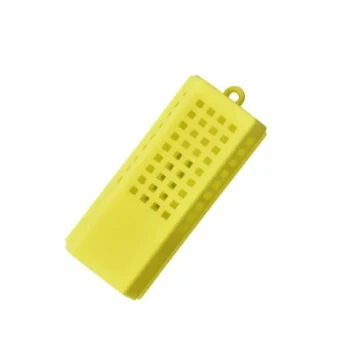
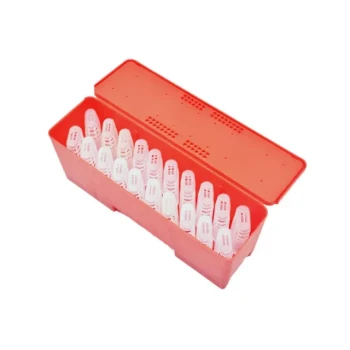
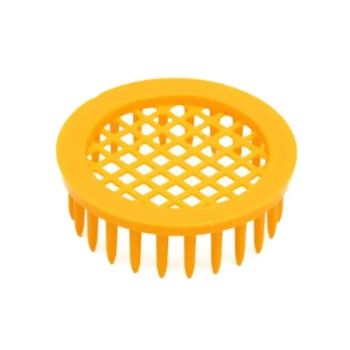
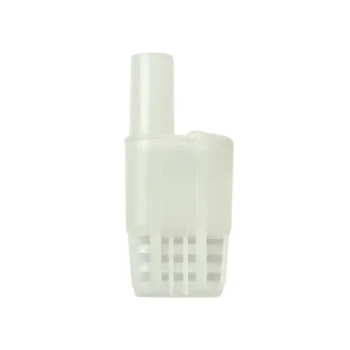
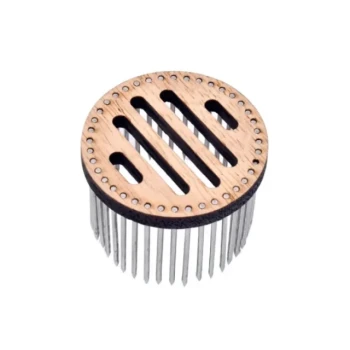
Specialized honeybee drone cages act as precise physical barriers designed to strictly control the mating pool within an apiary. Their primary function is to prevent drones with unscreened or hybrid genetic backgrounds from leaving the hive to participate in mating flights, effectively filtering out undesirable genetics before fertilization can occur.
By restricting flight access, these cages ensure that only drones with superior traits and known csd genotypes are able to mate, which is the only way to guarantee the genetic purity of distinct subspecies like the Dark Honeybee.
The Mechanics of Genetic Purity
To understand the value of a drone cage, you must look beyond the hardware and understand the fragility of purebred genetics. In an open environment, honeybee mating is notoriously difficult to control.
Creating a Genetic Firewall
The cage serves as a physical checkpoint at the hive entrance. It allows workers to pass but stops drones—which are physically larger—from exiting.
This exclusion is critical because drones from hybrid or unknown backgrounds can introduce unwanted traits. If these drones are allowed to fly, they compete with purebred drones, jeopardizing the lineage.
Preserving Specific Genotypes
Breeding programs rely on specific biological markers. The primary reference highlights the importance of the known csd (complementary sex determiner) genotype.
By using cages, breeders ensure that only drones carrying this specific, verified genetic material are released for fertilization. This maintains the high-value traits cultivated in the breeding program.
Facilitating Analysis Without Disruption
While the cage restricts flight, similar hardware configurations (often called drone traps) allow for the selective interception of drones.
Technicians can collect mature drones, often identified by specific color markings, for semen quality analysis. This is done at the entrance, ensuring the internal order of the colony remains undisturbed.
Common Pitfalls to Avoid
While drone cages provide necessary control, they introduce artificial constraints on the colony that must be managed carefully.
Over-Restriction Risks
Using physical barriers alters the natural flow of the hive. If the cage becomes clogged or restricts ventilation, it can stress the colony or impede the movement of worker bees gathering resources.
The "All or Nothing" Reality
The effectiveness of this method is binary. A specialized cage is a physical barrier; if it is installed incorrectly or damaged, the "firewall" fails.
Even a small breach allows hybrid drones to escape. In a purebred operation, a single mating flight with an unscreened drone can compromise the genetic integrity of that season’s queens.
Making the Right Choice for Your Goal
Whether you are preserving a rare subspecies or conducting standardized research, the application of this hardware depends on your specific objective.
- If your primary focus is Genetic Conservation: Prioritize cages that offer a total seal against drone exit to protect the purity of subspecies like the Dark Honeybee.
- If your primary focus is Semen Analysis: Utilize entrance traps that intercept drones for collection rather than permanent restriction, allowing for quality testing without harming the hive structure.
Control the drone, and you control the future of the apiary.
Summary Table:
| Feature | Purpose in Purebred Breeding | Benefit to the Apiary |
|---|---|---|
| Physical Exclusion | Prevents unscreened/hybrid drones from exiting | Maintains strict genetic firewalls |
| csd Genotype Control | Ensures only verified drones participate in mating | Guarantees subspecies purity (e.g., Dark Honeybee) |
| Selective Interception | Allows collection of drones for semen analysis | Enables quality testing without hive disruption |
| Entrance Filtering | Permits worker passage while blocking larger drones | Protects hive productivity during breeding cycles |
Elevate Your Breeding Precision with HONESTBEE
Maintaining the genetic integrity of your honeybee lineage requires professional-grade equipment that offers total control. HONESTBEE specializes in supporting commercial apiaries and distributors with high-performance beekeeping tools and machinery designed for the most demanding breeding programs.
From precision drone cages and queen-rearing hardware to advanced honey-filling machines, our comprehensive wholesale portfolio provides the essential infrastructure your business needs to scale. Whether you are preserving rare subspecies or optimizing a commercial honey operation, we deliver the quality and reliability that industry leaders trust.
Ready to secure your apiary's future? Contact us today to explore our full wholesale range and custom solutions!
References
- М. Д. Каскинова, Е. С. Салтыкова. Genetic methods in honey bee breeding. DOI: 10.18699/vjgb-23-44
This article is also based on technical information from HonestBee Knowledge Base .
Related Products
- Langstroth Honey Bee Box Hive Boxes for Different Depths
- Automatic Heat Preservation 6 Frame Pro Nuc Box for Honey Bee Queen Mating
- Professional Queen Bee Introduction and Transport Cage
- Professional Bamboo Queen Isolation Cage
- Professional Multi-Functional Queen Bee Cage
People Also Ask
- What role do standardized Langstroth boxes play in commercial apiary management and honey bee research? | HONESTBEE Guide
- What are the primary advantages of using standardized Langstroth boxes? Scale Your Commercial Beekeeping Operation
- What are the differences between the three standard depths of Langstroth boxes? Choose the Best Size for Your Apiary
- What are the typical uses for the different box sizes in a Langstroth hive? Master Hive Management & Efficiency
- What features of Langstroth hive boxes contribute to expandability and honey yield? Maximize Your Apiary Production