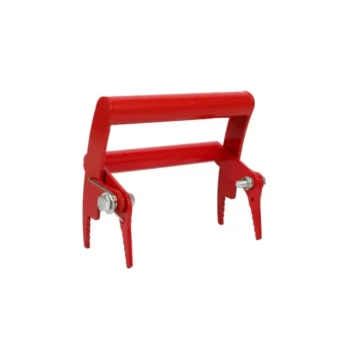
Specialized larval transfer needles and fine brushes are the fundamental instruments for moving fragile larvae without causing physical trauma. In the grafting process, these precision tools enable the transfer of extremely young larvae—typically aged 12 to 24 hours—from worker cells into artificial queen cell cups. Their specific design is critical for preserving the larva's physical integrity, which directly determines the success rate of queen rearing and the quality of the resulting bee.
The biological potential of a future queen is secured the moment the larva is transferred. Specialized tools are essential because they allow for the manipulation of microscopic, gelatinous organisms without damaging their respiratory systems or body structure, ensuring high survival rates and optimal development.
The Imperative of Physical Integrity
Handling Microscopic Fragility
The primary challenge in grafting is the target's size and consistency. Larvae selected for grafting are often just one day old (12 to 24 hours).
At this stage, the organism is exceptionally soft and susceptible to mechanical injury. Standard tools lack the finesse required to lift these larvae without crushing them or causing fatal structural damage.
Protecting the Respiratory System
Beyond visible physical damage, improper handling can harm unseen biological systems. Specialized tools are designed to lift the larva from beneath or by its sides to avoid compressing the body.
This precision prevents damage to the larva's delicate respiratory system. If breathing pores are blocked or damaged during transfer, the larva will likely fail to survive or develop properly.
Ensuring Biological Success
Maximizing Acceptance Rates
The survival of the grafted larva depends entirely on the nurse bees accepting it. Nurse bees are highly sensitive to the condition of the larvae presented to them.
Using specialized needles or fine brushes minimizes trauma, ensuring the larva appears healthy and viable to the colony. This leads to high acceptance rates, where nurse bees immediately begin feeding and caring for the transferred larva.
Optimizing Queen Quality
The goal of grafting is rarely just survival; it is the production of a superior queen or the stimulation of royal jelly. Stress or injury during the larval stage can permanently stunt development.
By ensuring a damage-free transfer, specialized tools allow the larva to channel all its energy into growth rather than repair. This results in high-quality queens with better reproductive potential and longevity.
Precision and Material Design
The Role of Tool Geometry
Whether using a metal needle or a bamboo tool, the geometry of the tip is paramount. Metal needles offer high rigidity and a fine tip for extreme accuracy when sliding under a larva.
Conversely, bamboo grafting needles utilize natural flexibility and curvature. This allows the tool to conform to the cell shape, sliding under the larva and royal jelly bed with minimal resistance.
The Necessity of Magnification
Because the tools are so fine and the larvae so small, these instruments are often used in conjunction with magnifying glasses.
High-precision needles allow the operator to take full advantage of this magnification. They enable the precise identification and lifting of the correct age class of larvae without accidentally contacting the cell walls or the larva itself.
Understanding the Trade-offs
The Risk of Cross-Contamination
While these tools solve the mechanical problem of transfer, they introduce a biological risk. Without rigorous decontamination, a grafting needle can become a vector for pathogens.
In experimental or disease-prone settings, moving a tool from a healthy colony to a sick one can spread infections like Paenibacillus larvae. Thorough sterilization between uses is mandatory to prevent physical carryover of disease.
The Skill Requirement
Possessing the right tool does not guarantee success; these instruments require a steady hand and significant practice.
A metal needle is unforgiving; a slight slip can easily pierce a larva. While bamboo is more flexible, it can fray or lose its edge, requiring frequent replacement or maintenance to ensure it remains non-abrasive.
Making the Right Choice for Your Goal
To maximize your success in the apiary or lab, match your approach to your specific objective:
- If your primary focus is Commercial Queen Rearing: Prioritize tools that balance speed with safety, such as flexible bamboo or high-quality metal needles, to maintain high acceptance rates across thousands of grafts.
- If your primary focus is Scientific Research: Use durable, autoclavable metal needles to ensure complete sterility between samples and prevent data contamination.
- If your primary focus is Royal Jelly Production: Focus on tools designed for the youngest possible larvae (<36 hours) to ensure the respiratory system remains intact for maximum jelly secretion by nurse bees.
The quality of the tool you hold determines the future of the queen you create.
Summary Table:
| Tool Type | Key Material Benefit | Primary Use Case | Risk Factor |
|---|---|---|---|
| Bamboo Needle | Natural flexibility & curvature | Commercial Queen Rearing | Fraying/Wear |
| Metal Needle | High rigidity & accuracy | Scientific Research | Mechanical Injury |
| Fine Brush | Gentle surface contact | Royal Jelly Production | Cross-Contamination |
| Magnification | Enhanced visual precision | High-Volume Grafting | Eye Strain |
Elevate Your Apiary's Productivity with HONESTBEE
At HONESTBEE, we understand that the success of your queen rearing and royal jelly production hinges on the quality of your equipment. We provide commercial apiaries and distributors with a comprehensive range of professional-grade beekeeping tools, from precision grafting needles and fine brushes to advanced honey-filling and hive-making machinery.
Partner with us to access high-quality industry consumables and specialized hardware designed to maximize your biological success and operational efficiency. Contact us today to discuss our wholesale offerings and discover how we can support your business growth.
References
- Simone Cristina Camargo, Regina Conceição Garcia. Abelha rainha Apis mellifera e a produtividade da colônia. DOI: 10.18188/sap.v14i4.13231
This article is also based on technical information from HonestBee Knowledge Base .
Related Products
- Plastic Beekeeping Honey Bee Larvae Grafting Tools for Queen Rearing and Chinese Grafting
- Black 2 Pack Beekeeper Queen Grafting Tool for Bee Queen Larva Transferring Needle
- Plastic Chinese Queen Grafting Tool for Bee Queen Rearing
- Stainless Steel Beekeeping Queen Grafting Tool for Honey Bee Rearing
- Stainless Steel Queen Grafting Tool for Beekeeping and Bee Queen Grafting
People Also Ask
- How do larvae grafting tools and royal jelly production kits contribute to a diversified bee product strategy?
- What happens if a larva is grafted too late? Avoid Scrub Queens and Failed Rearing
- What is the primary function of a Professional Bee Larvae Grafting Tool in queen rearing? Enhance Breeding Efficiency
- What is the grafting method of queen rearing? Master Controlled Queen Production for Your Apiary
- What is the primary function and technical requirement of a larvae grafting tool? Master Precision Queen Rearing