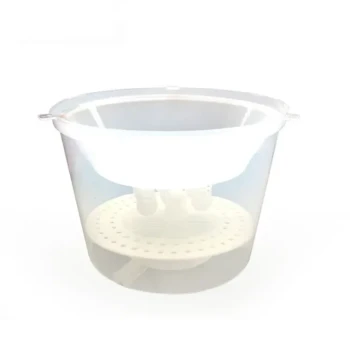
Specialized traps are a necessity because Small Hive Beetles (Aethina tumida) possess a biological aversion to light and move with exceptional speed when disturbed. Standard visual inspections often fail because the moment a hive is opened, the beetles rapidly disperse into deep crevices to escape the light. Traps surmount this by functioning passively while the hive is closed, capturing the pests when they are most active and vulnerable.
The core challenge in detecting Small Hive Beetles is their natural instinct to seek darkness and concealment. Specialized traps exploit this behavior by simulating secure crevices, turning the beetle's survival mechanism into a method for capture and precise identification.
The Biological Barrier to Visual Detection
The Problem of Photophobia
Small Hive Beetles naturally avoid light. They are biologically programmed to seek concealment in the darkest areas of the beehive.
Rapid Evasion
When a beekeeper opens a hive for inspection, light floods the interior. Adult beetles react immediately, dispersing rapidly to hide before they can be counted or identified.
The Limits of Manual Checks
Because of this rapid dispersal, manual visual checks are prone to missed detections. A beetle infestation may be present even if the beekeeper does not see them during a standard frame inspection.
How Specialized Traps Bridge the Gap
Biomimicry and Attraction
Traps are designed to simulate natural hive crevices. They provide the dark, tight spaces that beetles instinctively seek out to hide from honeybee attacks.
Passive Capture
Unlike a human inspector who disrupts the colony, traps work continuously while the hive is closed. They offer a "safe harbor" for the beetle that actually serves as a containment zone.
Selective Exclusion
These devices feature specific entrance gaps designed for the beetle's anatomy. They allow the beetles to enter the reservoir while excluding honeybees, preventing harm to the colony.
Neutralization Mechanisms
Once inside, the beetles are neutralized. This is typically achieved through food-grade oil or vinegar in reservoir traps, or by physical containment in corrugated plastic diagnostic traps.
Understanding the Trade-offs
Traps Are Not a Cure-All
While traps are essential for detection, they are rarely a standalone solution for a massive outbreak. They are most effective when used as part of a broader biosecurity monitoring protocol.
The Role of Supplementary Hardware
Traps should be paired with standard hardware like hive tools and smokers. Hive tools are still necessary to inspect frame undersides where beetles hide, while smokers calm the bees to allow for the detailed installation and checking of traps.
Maintenance Requirements
Traps require active management. Oil-filled traps must be checked to ensure the killing medium hasn't degraded, and diagnostic traps must be removed after several days to confirm presence.
Making the Right Choice for Your Goal
To select the right approach for your apiary, consider your specific objective:
- If your primary focus is initial diagnosis: Use corrugated plastic traps placed at the bottom of the hive for several days to confirm the presence of beetles.
- If your primary focus is population suppression: Implement oil-filled reservoir traps between frames or at the hive bottom to continuously catch and drown adult beetles.
Effective monitoring relies on using the beetle's own biology against it to ensure early detection before an infestation becomes unmanageable.
Summary Table:
| Feature | Visual Inspection | Specialized Traps |
|---|---|---|
| Beetle Behavior | Disperse rapidly from light | Seek traps as dark crevices |
| Detection Timing | Only during hive opening | Continuous/Passive (24/7) |
| Bee Safety | High risk of disruption | High (selective exclusion) |
| Primary Goal | General colony health | Targeted pest identification |
| Mechanism | Manual spotting | Oil reservoirs or physical capture |
Secure Your Apiary with HONESTBEE Professional Solutions
Protecting your commercial operation from the Small Hive Beetle requires more than just standard checks—it demands precision-engineered tools. At HONESTBEE, we specialize in supporting commercial apiaries and distributors with a full spectrum of high-quality beekeeping machinery and essential consumables.
Whether you need specialized beetle traps, advanced hive-making machines, or honey-filling equipment, our comprehensive wholesale offering is designed to scale your business and safeguard your honey production.
Ready to elevate your beekeeping efficiency? Contact us today to discuss how our specialized hardware and tailored supply chain solutions can drive your success.
References
- Emmanuel Dongbataazie Piiru, Flavie Vial. Survey of beekeeping systems, management practices, pests, and indigenous pest control strategies in Ghana. DOI: 10.11604/pamj-oh.2025.16.2.45518
This article is also based on technical information from HonestBee Knowledge Base .
Related Products
- Reusable Aluminium Beetle Trap for Small Hive Beetles Silver Bullet
- Reusable Clear Small Hive Beetle Traps for Beehives Beetle Trapping Tools
- Removable Washable Hive Beetle Trap Attractants for Small Hive Beetles
- Black Plastic Beetle Barn Hive Beetle Trap for Beehives
- Plastic Beetle Blaster Trap Beekeeping Tools and Supplies
People Also Ask
- How should powdered substances be used in beetle traps for hive beetle control? Expert Guide for Maximum Colony Protection
- Why are beetle traps less effective during winter? Seasonal Shifts in Pest Control Explained
- When is the best time to use small hive beetle traps in cold climates? Protect Your Honeybee Winter Stores Now
- When and how should disposable traps for small hive beetles be removed? Master Hive Hygiene and Efficiency
- How do small hive beetle traps contribute to colony management? Enhance Diagnostic Accuracy and Protect Hive Health