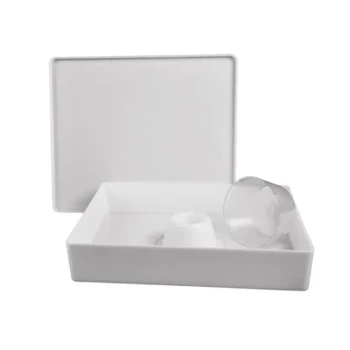
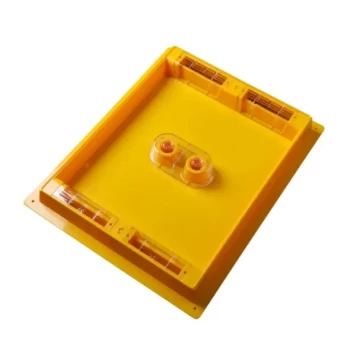
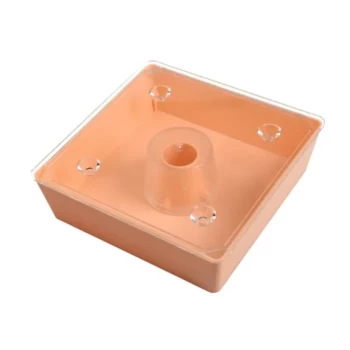
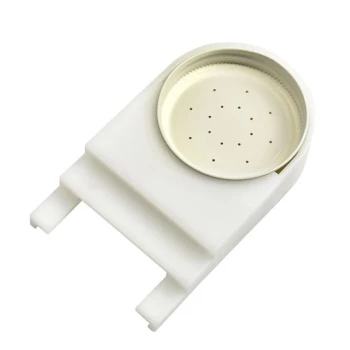
Kiwifruit pollination relies on a high-energy workforce that the crop itself cannot sustain. Supplemental bee feed consumables are mandatory because while kiwifruit flowers provide abundant pollen, they produce almost no nectar, leaving bees without the essential carbohydrates needed for energy. Without these supplements, colonies quickly lose the stamina required to complete intensive pollination tasks, leading to poor fruit set and reduced crop yields.
Core Takeaway: To ensure effective kiwifruit pollination, beekeepers must provide supplemental energy and nutrition to compensate for the nectar-poor nature of the crop, maintaining colony health and foraging motivation throughout the pollination window.
The Nutritional Deficit of Kiwifruit Orchards
The Invisible Nectar Gap
Kiwifruit flowers are biologically designed to offer pollen but provide little to no nectar, the primary energy source for honeybees. This creates a "hunger trap" where bees are physically present but lack the caloric fuel to sustain high-activity foraging.
Energy vs. Protein Imbalance
While the pollen provides protein for brood rearing, the lack of carbohydrates means the adult worker bees cannot maintain their own physical stamina. Supplemental syrups act as the vital "fuel" that allows bees to continue collecting the kiwifruit pollen necessary for fertilization.
Offsetting Maintenance Costs
Pollination is a high-stress period for bee colonies, involving transport and high-density placement. Supplemental feed offsets the metabolic costs inherent to the kiwifruit environment, ensuring the colony does not shrink or collapse during the contract period.
Maintaining Colony Momentum in Monocultures
Overcoming Nutritional Monotony
Large-scale kiwifruit orchards are often monoculture environments where the variety of available natural forage is extremely limited. This lack of floral diversity can lead to specific amino acid and protein deficiencies that weaken the bees’ immune systems.
Simulating Peak Foraging Conditions
By providing high-quality artificial feed, beekeepers can artificially simulate a nectar flow, which triggers the queen to continue egg-laying. This ensures a continuous supply of young, active foragers throughout the entire flowering cycle of the orchard.
Preventing Colony Absconding
When natural nectar sources are scarce, especially during unexpected rainy weather, bees may attempt to abscond (leave the hive) in search of better resources. Specialized supplements provide the security the colony needs to remain stationed and productive within the target orchard.
Understanding the Trade-offs and Pitfalls
The Risk of Feed Quality
Not all supplements are equal; low-quality sugar water may provide temporary energy but lacks the essential micronutrients found in premium formulations. Substandard feed can lead to higher susceptibility to disease and lower survival rates post-pollination.
Management Intensity vs. Result
Supplemental feeding requires specialized equipment and labor, increasing the operational overhead for the beekeeper. However, the trade-off for not feeding is a significant drop in pollination efficiency, which can lead to financial penalties from growers.
Timing and Over-Feeding
Feeding too much or at the wrong time can lead to "lazy" bees that store syrup rather than foraging for pollen. Achieving the correct nutritional balance requires professional expertise to ensure the bees remain motivated to visit the kiwifruit flowers.
Strategic Sourcing for Pollination Success
To maximize the efficiency of pollination operations, distributors and wholesalers must offer a comprehensive portfolio of feed consumables that address these specific biological gaps. Rapid fulfillment and technical expertise are essential to meeting the tight windows of the kiwifruit flowering season.
- If your primary focus is maximizing pollination activity: Invest in high-energy carbohydrate syrups that maintain worker stamina during nectar-poor periods.
- If your primary focus is long-term colony health: Source premium pollen substitutes enriched with essential amino acids to bridge the nutritional gaps of monoculture farming.
- If your primary focus is operational reliability: Partner with suppliers offering ultra-fast delivery and one-stop sourcing to ensure feed is available exactly when the flowering window begins.
Reliable supplemental feeding is the technical foundation that transforms a struggling colony into a high-performance pollination engine.
Summary Table:
| Nutritional Gap | Natural Kiwifruit Environment | Benefit of Supplemental Feeding |
|---|---|---|
| Energy Source | Negligible nectar production | Provides essential carbohydrates for foraging stamina |
| Protein Quality | Monoculture pollen (limited diversity) | Supplies missing amino acids to boost bee immunity |
| Colony Stability | Risk of starvation or absconding | Ensures bees remain stationed and active in orchards |
| Population | Stress leads to population decline | Stimulates queen laying to maintain high forager counts |
Scale Your Pollination Success with HONESTBEE
To succeed in demanding environments like kiwifruit orchards, commercial apiaries and distributors need more than just supplies—they need a reliable partner. HONESTBEE offers a comprehensive one-stop sourcing solution for all your beekeeping needs. From premium feed consumables and specialized hardware to honey-filling machines and hive-making equipment, our full-spectrum portfolio is designed for the B2B market.
Why partner with HONESTBEE?
- Rapid Fulfillment: Ultra-fast delivery to meet tight pollination windows.
- Industry Expertise: Deep professional knowledge to support your technical requirements.
- Exceptional Service: Dedicated support for wholesalers and resellers to maximize profit margins.
Ensure your customers have the high-performance tools they need. Contact HONESTBEE today for wholesale pricing and expert consulting!
References
- Elie Abou Nader, Hatem Belhouchette. Linking Beekeepers’ and Farmers’ Preferences towards Pollination Services in Greek Kiwi Systems. DOI: 10.3390/ani13050806
This article is also based on technical information from HonestBee Knowledge Base .
Related Products
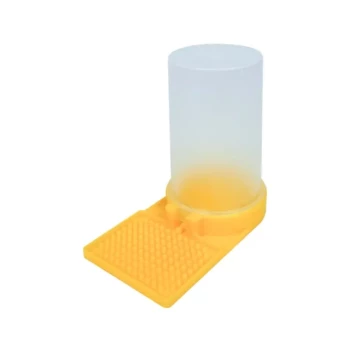
- HONESTBEE Professional Entrance Bee Feeder Hive Nutrition Solution
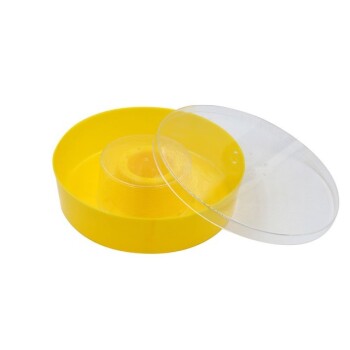
- HONESTBEE Round Hive Top Bee Feeder for Syrup
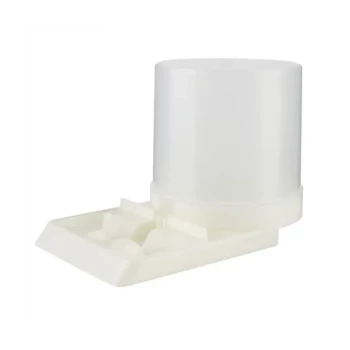
- HONESTBEE Entrance Bee Feeder Professional Hive Nutrition Solution for Beekeeping
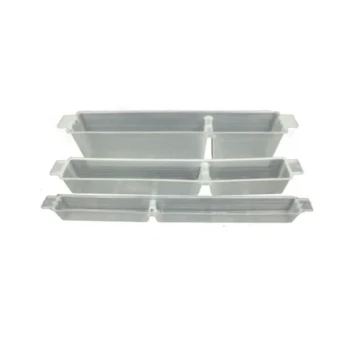
- In-Hive Dual Compartment Frame Bee Feeder for Targeted Colony Nutrition
- Rapid Bee Feeder White Plastic 2L Round Top Feeder for 8 or 10-Frame Bee Hives
People Also Ask
- What types of bee feeders are available for beginners? Start with the Simple Entrance Feeder
- What are the advantages and disadvantages of using an entrance feeder for bees? Balance Convenience and Hive Security.
- How does a bee entrance feeder work? A Simple Guide to Convenient Hive Feeding
- What is a bee entrance feeder and what are its drawbacks? Essential Guide to Hive Security and Feeding Efficiency
- How to make an entrance feeder for bees? A DIY Guide for Safe & Effective Feeding