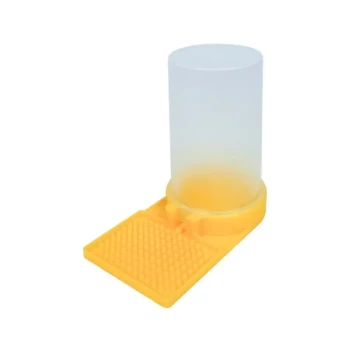
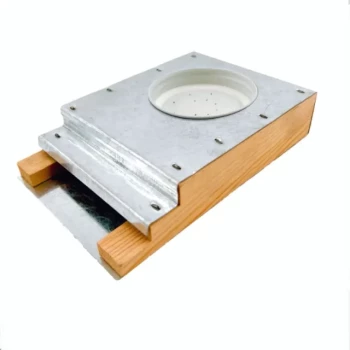
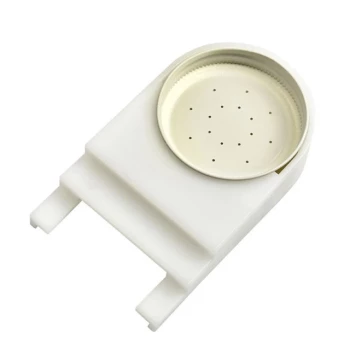
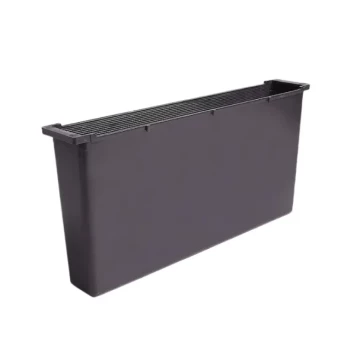
Supplementary feeders serve as a critical bridge between the natural resource availability and the biological needs of a honeybee colony. During non-flowering periods or overwintering, these devices allow beekeepers to deliver essential syrup, pollen, and water, effectively preventing starvation, stopping colony absconding, and maintaining the brood-rearing momentum necessary for future honey production.
Core Takeaway Supplementary feeding is not merely a rescue tactic; it is a strategic management tool. By artificially sustaining the colony during dearth periods, you ensure the survival of the current workforce and, more importantly, establish the biological foundation for a high-yield population before the next major nectar flow begins.
The Biological Necessity of Intervention
Preventing Starvation and Mortality
When external nectar and pollen sources become scarce, the colony's nutritional intake drops below the threshold required for survival.
Without intervention, worker bee mortality rates rise sharply due to starvation. Supplementary feeders provide the carbohydrates (syrup) and protein (pollen substitutes) required to keep the colony alive when nature cannot.
Stopping Colony Absconding
Honeybees are instinctual survivors; if a location lacks sufficient resources, they may abandon it entirely.
Severe shortages of food and water often trigger total colony absconding, where the bees leave the hive in search of better conditions. Providing consistent nutrition and hydration through specialized feeders is the most effective preventive measure to anchor the colony to the apiary.
Strategic Population Management
Maintaining Brood-Rearing Vitality
Survival is the baseline, but the deeper goal is maintaining the colony's biological engine: the brood.
Brood-rearing vitality relies heavily on a steady influx of resources. Supplementary feeders ensure that the queen continues to lay eggs and nurse bees have the nutrition needed to raise larvae, preventing a population crash during the off-season.
Building Foraging Populations Early
The primary reference highlights a critical timing strategy: building the workforce before the work arrives.
Through precise feeding management, you can stimulate population growth in anticipation of the season. This ensures that when the major nectar flows finally occur, the colony already possesses a strong foraging population ready to maximize collection, rather than spending the peak season trying to recover numbers.
Understanding the Trade-offs and Risks
Avoiding Spoilage and Contamination
While feeding is essential, the method of delivery matters. Placing feed directly on the ground or in open containers can lead to dampness and spoilage.
Using standardized feeding trays or specialized feeders is crucial to elevate the feed. This eliminates contact with the ground, preventing the development of mold or pathogens that could compromise the colony's health.
The Requirement for Consistency
Supplementary feeding creates a dependency that requires diligent management.
Once you intervene, the colony relies on that artificial source until natural flow returns. Inconsistent feeding can lead to fluctuations in brood rearing or renewed risk of absconding, negating the benefits of the previous investment.
Making the Right Choice for Your Goal
Whether you are managing a hobby hive or a commercial apiary, your feeding strategy dictates your future success.
- If your primary focus is Colony Survival: Prioritize the consistent delivery of carbohydrate syrup and water to prevent starvation and stop the colony from absconding during extreme cold or dearth.
- If your primary focus is Honey Production: Begin stimulating the hive with pollen supplements well before the first bloom to ensure a peak foraging population is ready exactly when the nectar flows begin.
By treating supplementary feeding as an investment rather than a chore, you transform a season of scarcity into the foundation for a season of abundance.
Summary Table:
| Strategic Goal | Intervention Focus | Key Benefit |
|---|---|---|
| Starvation Prevention | Carbohydrate Syrup & Water | Reduces worker mortality during extreme dearth or winter. |
| Colony Stability | Consistent Feeding Trays | Prevents total colony absconding and site abandonment. |
| Population Growth | Pollen Supplements | Stimulates brood-rearing to build foragers before nectar flow. |
| Health & Hygiene | Specialized Feeders | Prevents feed spoilage and protects bees from ground pathogens. |
Maximize Your Apiary’s Potential with HONESTBEE
Ensure your colonies thrive through every season with professional-grade solutions. HONESTBEE specializes in serving commercial apiaries and distributors with a comprehensive wholesale portfolio. From specialized supplementary feeders and hive-making machinery to advanced honey-filling systems and essential industry consumables, we provide the tools you need for high-yield success.
Ready to scale your beekeeping operations? Contact us today to explore our wholesale equipment and cultural merchandise.
References
- د.سيد رمضان سيد عبدالعال. الملاءمة المکانية لمناحل العسل بمحافظة أسيوط دراسة في الجغرافيا الاقتصادية. DOI: 10.21608/shak.2022.228181
This article is also based on technical information from HonestBee Knowledge Base .
Related Products
- HONESTBEE Professional Entrance Bee Feeder Hive Nutrition Solution
- HONESTBEE Entrance Bee Feeder Professional Hive Nutrition Solution for Beekeeping
- HONESTBEE Round Hive Top Bee Feeder for Syrup
- HONESTBEE Entrance Bee Feeder Efficient Hive Front Liquid Feeding Solution for Beekeeping
- In-Hive Dual Compartment Frame Bee Feeder for Targeted Colony Nutrition
People Also Ask
- What types of bee feeders are available for beginners? Start with the Simple Entrance Feeder
- What are the advantages and disadvantages of using an entrance feeder for bees? Balance Convenience and Hive Security.
- How does a bee entrance feeder work? A Simple Guide to Convenient Hive Feeding
- What is a bee entrance feeder and what are its drawbacks? Essential Guide to Hive Security and Feeding Efficiency
- How to make an entrance feeder for bees? A DIY Guide for Safe & Effective Feeding