Maintaining honey quality in high-volume catering environments starts with precision engineering.
Temperature control and filtration systems are essential because they prevent honey from crystallizing, ensuring the liquid consistency required for high-volume culinary and beverage applications. These systems also remove mechanical impurities while preserving heat-sensitive enzymes and bioactive components, ensuring that every batch meets the rigorous chemical safety and physical standards of the global catering industry.
Core Takeaway: For B2B resellers and distributors, these technologies transform raw apiary honey into a standardized, high-value industrial product that guarantees the consistency, flowability, and international compliance demanded by professional kitchens.
Maximizing Fluidity and Culinary Performance
Preventing Premature Crystallization
Catering institutions prioritize liquid honey over crystallized varieties for ease of use in sauces, dressings, and condiments. Precision temperature control is used to treat specific honey varieties, preventing rapid crystallization and ensuring the product maintains a high degree of fluidity.
Ensuring Product Uniformity
Consistency is the hallmark of a premium B2B supply chain. Precise thermal management ensures that every unit in a large-scale order exhibits the same viscosity and flowability, which is critical for standardized recipe formulation in industrial kitchens.
Optimizing Flow for Efficient Filling
Lowering viscosity through controlled heating allows for faster, more efficient bottling and order fulfillment. This infrastructure supports ultra-fast delivery times by streamlining the movement of honey from storage to the final container without compromising quality.
Preserving Bioactive Value and Chemical Integrity
Protecting Heat-Sensitive Enzymes
Honey contains delicate enzymes like diastase, invertase, and catalase that are highly sensitive to thermal fluctuations. High-precision temperature control prevents enzyme denaturation, preserving the therapeutic properties and "premium" status of the product.
Regulating HMF Levels
Improper heating can cause the dehydration of hexoses, leading to the formation of Hydroxymethylfurfural (HMF), a marker of heat damage and aging. Advanced systems ensure HMF levels remain well below the international limit of 40 mg/kg, keeping the honey compliant with global food safety standards.
Maintaining Color and Flavor Profiles
Excessive heat can darken honey and alter its delicate flavor notes through caramelization. Expert temperature management protects the natural color and polyphenols, ensuring the honey retains the sensory characteristics that professional chefs and high-end markets demand.
Ensuring Purity Through Advanced Filtration
Removal of Physical Impurities
High-precision filtration systems utilize multi-stage stainless steel meshes to eliminate wax fragments, insect remains, and other mechanical debris. This process is vital for ensuring the product is visually clear and safe for consumption in high-end catering environments.
Compliance with International Standards
Modern filtration allows for the removal of foreign matter without stripping away natural pollen content. This balance is critical for adhering to regulations like EU Council Directive 2001/110/EC, which prohibits foreign matter while maintaining the honey's natural integrity.
Enhancing Market Competitiveness
Standardized collection centers equipped with filtration and grading technology serve as a platform for large-scale quality control. This allows distributors to offer a "full-spectrum" portfolio of honey that is consistently graded and ready for high-end international competition.
Understanding the Trade-offs
Flowability vs. Thermal Damage
While increasing heat reduces viscosity for faster processing, it creates a risk of degrading the honey's biological value. Achieving the "sweet spot" requires industrial-grade sensors and a deep professional understanding of different honey varieties' thermal limits.
Filtration Depth vs. Natural Integrity
Over-filtration can remove beneficial pollen, which may devalue the honey in organic or artisanal markets. The challenge lies in using fine-pore meshes that catch impurities but allow the honey to retain its botanical identity and nutritional profile.
Leveraging Processing Excellence for Market Growth
Partnering with a supplier that masters these technical nuances allows distributors to provide superior value to their catering clients.
- If your primary focus is international export: Prioritize suppliers using precision thermal control to ensure HMF and enzyme levels consistently meet the strict standards of non-tropical global markets.
- If your primary focus is high-volume catering supply: Ensure your stock is processed with advanced filtration to guarantee the clarity and flowability required for professional culinary applications.
- If your primary focus is premium health or organic niches: Source honey that has undergone low-impact heating to preserve sensitive polyphenols and medicinal properties.
The integration of advanced temperature and filtration systems is the definitive factor in delivering a honey product that is safe, consistent, and commercially superior.
Summary Table:
| Key System | Primary Function | B2B / Catering Benefit |
|---|---|---|
| Temperature Control | Prevents crystallization & regulates HMF | Ensures flowability and international safety compliance |
| Precision Filtration | Removes wax, debris, and impurities | Guarantees visual clarity and professional-grade purity |
| Thermal Management | Protects heat-sensitive enzymes | Preserves bioactive value and premium market status |
| Industrial Sensors | Monitors viscosity and color | Maintains product uniformity for standardized recipes |
Elevate Your Honey Distribution with HONESTBEE
As a leading one-stop source for commercial apiaries and B2B distributors, HONESTBEE provides a comprehensive spectrum of beekeeping machinery, tools, and essential consumables. From advanced honey-filling machines to specialized hive-making hardware, our equipment is designed to meet the rigorous demands of the catering industry.
Why Partner with HONESTBEE?
- Full-Spectrum Portfolio: Access everything from industrial machinery to honey-themed cultural merchandise.
- B2B Advantage: Benefit from high profit margins, OEM/ODM support, and deep professional industry expertise.
- Rapid Fulfillment: Experience ultra-fast delivery times and dedicated, exceptional customer service.
Ready to enhance your supply chain with professional-grade processing solutions? Contact our expert team today to discuss your wholesale needs!
References
- Alejandra Flórez, Dominican Republic Innovación Rural Desarrollo Sostenible SRL. Gastronomy as a Key for Market Access and Value Chain Development for Honey- Case Study in the Dominican Republic. DOI: 10.61440/jesar.2025.v3.120
This article is also based on technical information from HonestBee Knowledge Base .
Related Products
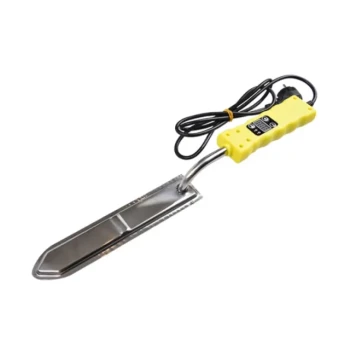
- Professional Electric Honey Uncapping Knife with Heated Digital Temperature Control for Beekeeping
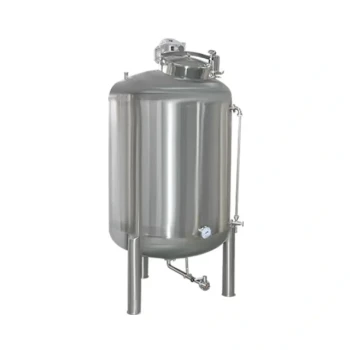
- Professional Honey Storage Tank with Agitation System
- Professional Thermostatic Conical Honey Melter
- Plastic Honey Gate Spout with Wing Nut for Beekeeping Honey Bucket
- Silicone Rubber Honey Drum Heating Belt
People Also Ask
- Why are electric honey uncapping knives essential? Boost Efficiency & Preserve Comb for Professional Honey Extraction
- What is an electric uncapping knife and how is it used? Master Faster Honey Extraction with Heat
- What are the advantages and disadvantages of using an electric knife for uncapping honey frames? Boost Extraction Speed
- What are the drawbacks of using an electric knife for uncapping honey frames? Cost and Power Constraints Explained
- How should an electric uncapping knife be utilized? Master Efficient Honey Extraction with Heated Precision