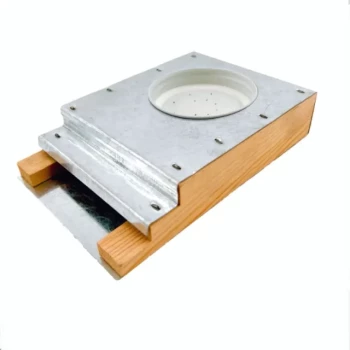
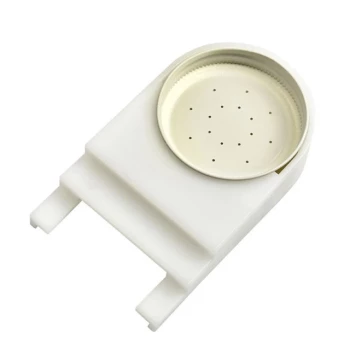
Top-mounted rapid feeders are the industry standard for administering treatments because they provide precise dosage control and high-speed delivery while maintaining hive stability. This specialized equipment allows a large number of bees to ingest medicated syrup simultaneously, ensuring the treatment is distributed evenly across the colony in a minimal timeframe. By positioning the reservoir at the top of the hive, beekeepers can manage treatment cycles with high efficiency and negligible disruption to the internal colony environment.
Rapid feeders bridge the gap between scientific precision and commercial efficiency by allowing for the rapid, non-invasive administration of treatments. This method ensures consistent drug concentrations across the hive while protecting the colony’s thermal integrity and natural behavior.
Precision and Speed in Treatment Administration
Rapid Distribution for Maximum Impact
Top-mounted feeders are engineered to facilitate the quick and even distribution of medicated syrups throughout the honeybee population. This high-speed ingestion is critical when administering treatments like neonicotinoids in a controlled environment, as it ensures all worker bees receive the dose within a specific window.
Precise Dosage Control
One of the primary advantages of these feeders is the ability to maintain strict control over the administered dosage. For commercial apiaries and research trials, accurately measuring the volume of treatment per hive is essential for maintaining effective drug concentrations and achieving repeatable results.
Simulating Commercial Scale
Using top-mounted feeders allows researchers and professional beekeepers to simulate the management practices of large-scale commercial operations. This setup provides a realistic environment to study the long-term effects of various substances on the natural cleaning and foraging instincts of the colony.
Minimizing Colony Stress and Operational Downtime
Non-Invasive Management
Top feeders are situated in an empty box above the main hive body, making them significantly less invasive than other feeding methods. Beekeepers can replenish the reservoir by simply removing the outer lid, leaving the bees in the lower chambers undisturbed and often eliminating the need for a smoker.
Thermal Stability and Brood Protection
Because the core of the hive remains sealed during the refill process, heat loss is minimized. This is particularly vital during treatment cycles in cooler temperatures, where maintaining internal warmth is necessary for brood-rearing activity and the physiological stamina of the worker bees.
Prevention of Robbing and Pests
The high-position design provides easy access for the internal colony while reducing the risk of robbing by external colonies. By containing the syrup at the top of the stack, the scent is less likely to attract pests or neighboring bees, protecting the colony's resources during vulnerable treatment phases.
Understanding the Trade-offs
The Risk of Bee Drowning
While designed for rapid access, some rapid feeders can pose a risk of bee drowning if the access floats or ladders are not properly maintained. High-quality equipment with textured surfaces or protective covers is required to ensure that bees can access the syrup safely without becoming trapped.
Capacity vs. Weight
The high syrup capacity of top feeders is a benefit for reducing labor, but it also adds significant weight to the top of the hive. This can make manual inspections more physically demanding for beekeepers and requires a stable, level hive stand to prevent tipping or leaking.
Maintenance of Drug Concentrations
In larger reservoirs, there is a risk of the treatment settling or degrading if it is not consumed quickly. Consistent monitoring is necessary to ensure that the medication remains suspension-stable and that the bees are consuming it at the expected rate to maintain therapeutic levels.
Optimizing Your Portfolio for Professional Beekeeping
As a distributor or wholesaler, offering a comprehensive range of rapid feeders is essential for serving the needs of professional apiaries and research institutions. Providing high-quality, durable equipment ensures your clients can execute complex treatment protocols with confidence.
- If your primary focus is maximizing client labor efficiency: Prioritize high-capacity top feeders that minimize the frequency of refills and allow for "lid-only" access to the hive.
- If your primary focus is research and precision treatment: Stock feeders with calibrated reservoirs that allow for exact measurement of intake and minimal waste.
- If your primary focus is cold-climate colony survival: Promote insulated top feeders that prevent heat escape and allow for treatment administration without chilling the brood.
- If your primary focus is one-stop sourcing for commercial apiaries: Maintain a full-spectrum inventory of rapid feeders, including various sizes and configurations, to ensure ultra-fast delivery and order fulfillment.
By integrating high-performance rapid feeders into your product line, you empower beekeepers with the precision and efficiency required for modern colony management.
Summary Table:
| Feature | Advantage for Treatment | Commercial Benefit |
|---|---|---|
| Precise Dosage | Ensures exact medication volume per colony. | Consistent results across large-scale operations. |
| Rapid Delivery | Fast ingestion by large bee populations. | Minimal window for treatment degradation. |
| Top-Mount Design | Non-invasive; refill without opening the brood nest. | Reduced labor time and zero heat loss for colonies. |
| High Capacity | Holds large volumes of medicated syrup. | Fewer site visits and lower operational costs. |
| Sealed System | Prevents robbing and scent attraction. | Protects vulnerable colonies from external pests. |
Scale Your Success with HONESTBEE’s Commercial Solutions
Elevate your wholesale catalog with HONESTBEE, your premier partner for high-performance beekeeping hardware. We cater specifically to distributors, wholesalers, and B2B resellers by offering a comprehensive, one-stop sourcing experience for the entire beekeeping spectrum.
From precision rapid feeders that ensure colony health to industrial-grade hive-making and honey-filling machinery, our portfolio is designed to maximize your profit margins and supply reliability. Partnering with HONESTBEE means gaining access to:
- Deep Industry Expertise: Professional guidance on the best tools for commercial apiaries.
- OEM/ODM Support: Tailored equipment solutions to build your brand’s unique value.
- Efficient Fulfillment: Ultra-fast delivery and rapid response times to keep your inventory moving.
- Full-Spectrum Portfolio: A wide array of tools, machinery, and honey-themed cultural merchandise.
Ready to enhance your product offering with premium trading services? Contact HONESTBEE today to discuss our wholesale opportunities and secure your supply of world-class beekeeping equipment!
References
- Riccardo Favaro, Sergio Angeli. Impact of Chronic Exposure to Two Neonicotinoids on Honey Bee Antennal Responses to Flower Volatiles and Pheromonal Compounds. DOI: 10.3389/finsc.2022.821145
This article is also based on technical information from HonestBee Knowledge Base .
Related Products
- Rapid Bee Feeder White Plastic 2L Round Top Feeder for 8 or 10-Frame Bee Hives
- HONESTBEE Professional Hive Top Bee Feeder Feeding Solution
- Professional Hive Top Bee Feeder for Beekeeping
- HONESTBEE Square Top Hive Bee Feeder Top Bee Feeder
- HONESTBEE Round Hive Top Bee Feeder for Syrup
People Also Ask
- What should be done with feeders and equipment after feeding bees? Essential Steps for Apiary Health
- What should be done if feed in a feeder is not consumed by the bees? Prevent Hive Mold with Prompt Feed Management
- What is the necessity of specialized internal or entrance feeders? Secure Your Hive with Professional Feeding Tools
- How do bee feeders work to preserve colony health during nectar shortages? Essential Guide for Beekeepers
- How quickly does a medium to strong colony usually empty a feeder? A Beekeeper's Guide to Hive Health