Bee feeders preserve colony health by supplying controlled supplemental nutrition when natural nectar and pollen are unavailable. Sugar syrup provides immediate energy for worker activity, brood care, and colony maintenance, while pollen substitutes or protein patties can support brood-rearing when pollen is also scarce. Internal feeders make this support accessible inside the hive, reducing exposure to pests, wild animals, robbing bees, and weather.
During a nectar shortage, a properly selected and managed feeder helps prevent starvation, absconding, and population decline by keeping essential feed available inside the colony.
Why Nectar Shortages Threaten Colonies
Natural forage can disappear for extended periods
Nectar dearths occur between flowering periods, during drought, in late autumn, or in other seasons when plants produce little usable forage. Depending on the region, these shortages can last from days to several months.
Without intervention, colonies may consume stored reserves faster than they can replace them. Weakening food supplies can reduce worker activity, disrupt brood care, and increase the risk of starvation or absconding.
Colonies need more than stored honey
Honey provides the colony's primary carbohydrate energy source, but bees also require pollen or suitable protein substitutes for brood development. A shortage of both nectar and pollen can therefore affect colony strength even when some honey remains in the hive.
Feeders allow beekeepers to respond to the specific shortage. Sugar syrup addresses energy needs, while pollen substitutes or protein patties can supplement protein when natural pollen is unavailable.
How Bee Feeders Support Colony Health
They provide accessible energy
Liquid feeders deliver sugar syrup or similar artificial feed through a controlled channel. Worker bees collect the syrup and distribute it within the colony, helping maintain normal activity when natural nectar is scarce.
This energy can support foraging, thermoregulation, brood care, and routine hive operations. The feeder does not create a healthy colony by itself, but it helps prevent an immediate nutritional deficit.
They help maintain brood-rearing activity
Adequate food availability supports the queen's continued egg-laying activity and gives workers the resources needed to care for developing brood. Maintaining brood production can help preserve population strength before the next major nectar flow.
The appropriate feeding approach depends on the colony's condition and the objective. Stimulation feeding and heavier replenishment feeding serve different management purposes and should not be treated as interchangeable.
They reduce the risk of starvation and absconding
A colony experiencing prolonged food scarcity may decline rapidly or leave the hive in search of better forage. Consistent supplemental feeding reduces the likelihood that a shortage alone will trigger starvation or absconding.
Feeders are especially valuable during early spring, late autumn, drought, and the preparation period before overwintering. High-capacity designs can help replenish stores efficiently when a colony needs substantial reserves.
Why Internal Feeders Are Often Preferred
They keep feed close to the colony
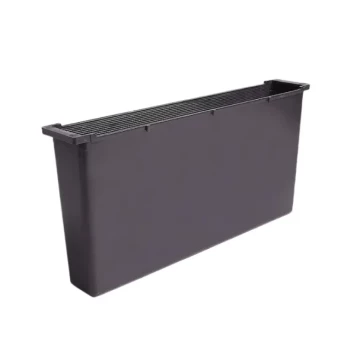
Frame feeders and other internal feeders are positioned inside the hive box, placing syrup near the bees and reducing the need for them to travel outside the hive to access it. This is useful when weather conditions are poor or forage is limited.
The internal location also helps keep feeding activity within the managed colony. Compared with exposed feeding, it generally presents fewer opportunities for pests, wild animals, or unrelated bees to locate the feed.
Protective grates reduce drowning risk
Quality internal wooden frame feeders commonly incorporate protective grates, ladders, or textured access surfaces over the liquid. These features give bees a safer way to reach the syrup and reduce the chance of drowning.
For distributors and resellers, this safety feature is an important product-quality distinction. A feeder's capacity matters, but its internal access design directly affects practical usability and colony safety.
Controlled access can reduce robbing pressure
Open or poorly managed feeding can attract bees from neighboring colonies and encourage robbing. Internal feeders help limit the visibility and accessibility of the syrup, particularly when the hive is kept closed and feeding is performed carefully.
They do not eliminate robbing risk. Leaks, spills, oversized entrances, and prolonged exposure can still create strong attractants around an apiary.
Matching the Feeder to the Management Need
Frame feeders suit integrated hive management
Internal frame feeders are designed to occupy space within the hive and can provide a direct feeding route beside the colony. Their familiar form factor makes them practical for operations that standardize equipment across many hives.
They are useful when the beekeeper wants feed delivered inside the brood or colony area without adding a separate external container.
Top feeders support convenient replenishment
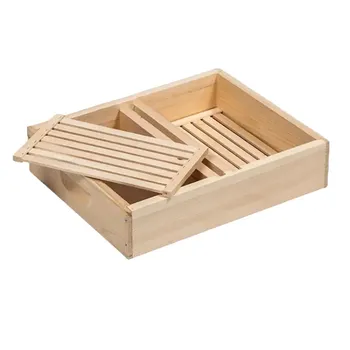
Top feeders provide access from above and can offer useful capacity for colonies that need repeated liquid feeding. Their position may allow replenishment with less disturbance to the lower hive area.
The correct choice depends on hive configuration, required capacity, inspection routines, and the beekeeper's preferred workflow. Product compatibility should be confirmed before purchasing or distributing a feeder.
Feeder pots offer flexible applications
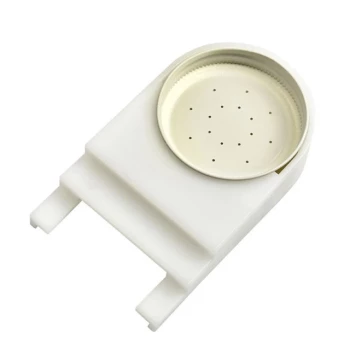
Feeder pots are specialized containers for supplying syrup or other nutrients during non-flowering periods. Some may also be used as a delivery medium for approved treatments, but medication use must follow the product label and applicable regulations.
Feeders should never be presented as a substitute for diagnosis, disease control, or responsible apiary management.
Different feeds address different deficiencies
Sugar syrup is primarily an energy supplement. Pollen substitutes and protein patties are intended to address protein-related nutritional gaps when natural pollen is insufficient.
Clean water is also important, particularly when bees cannot reliably access a safe natural water source. A water provision should be managed so it remains clean and does not create additional drowning or contamination hazards.
Understanding the Trade-offs
Supplemental feeding requires active management
Feeders do not make a colony self-sufficient. Beekeepers must monitor consumption, inspect for leaks, refill at appropriate intervals, and evaluate whether the colony is actually improving.
Overfeeding can also create management problems, particularly when syrup is supplied during periods when honey intended for harvest could become adulterated. Feeding decisions should therefore account for seasonal timing and honey-production objectives.
Poor design can harm bees
A feeder without adequate bee access or protective structures can lead to drowning. Materials that degrade, leak, or introduce contaminants can compromise the value of the equipment.
For commercial buyers, quality assessment should include construction, fit, access safety, capacity, sealing, durability, and compatibility with the intended hive system.
Feeding can increase robbing and pest pressure
Syrup odors and spills can attract robber bees, ants, wasps, and other pests. This risk is higher when feed is exposed outside the hive or when colonies are weak.
Beekeepers should minimize spills, keep entrances appropriately managed, and use equipment that contains liquid reliably. Internal placement helps, but careful operating practice remains essential.
Feed cannot replace balanced colony care
Starvation is only one cause of colony decline. Varroa pressure, disease, queen problems, poor ventilation, extreme temperatures, and inadequate hive conditions can also weaken a colony.
A feeder is a targeted nutritional tool. It should be used alongside inspections, pest control, water management, and seasonal preparation.
What Buyers Should Evaluate
Product fit and compatibility
Distributors and beekeepers should confirm that the feeder matches the hive box dimensions and frame configuration used by their customers. A product that does not fit securely can create leaks, obstruct inspections, or reduce usable colony space.
Clear specifications for dimensions, capacity, material, and compatible hive formats support faster purchasing decisions and reduce fulfillment errors.
Safety and construction quality
Protective bee access, stable internal surfaces, leak resistance, and durable materials are central performance requirements. Wooden frame feeders should be manufactured and finished to withstand repeated seasonal use without compromising the hive environment.
A full product portfolio may include frame feeders, top feeders, feeder pots, water equipment, and protein-feed accessories so buyers can source solutions for different colony conditions from one supplier.
Supply reliability and service
Nectar shortages are time-sensitive. Delayed delivery can prevent beekeepers from responding before colonies lose significant strength.
For B2B buyers, dependable stock availability, rapid response, accurate order fulfillment, and knowledgeable customer service are practical parts of feeder value. The equipment must be available when the biological need arises.
Making the Right Choice for Your Goal
Select the feeder and feeding program according to the colony's nutritional need, hive configuration, season, and operational scale.
- If your primary focus is preventing starvation: Use a reliable internal liquid feeder that supplies accessible sugar syrup while minimizing leaks and exposure.
- If your primary focus is maintaining brood production: Pair energy supplementation with an appropriate protein substitute when natural pollen is insufficient.
- If your primary focus is overwintering preparation: Choose sufficient feeder capacity to replenish stores efficiently before cold conditions restrict access.
- If your primary focus is reducing robbing and pest pressure: Prefer contained internal equipment and apply disciplined spill, entrance, and refill management.
- If your primary focus is commercial distribution: Build a compatible portfolio of safe feeders and water or protein-supplement equipment, supported by dependable availability and fast fulfillment.
Used correctly, bee feeders give beekeepers a controlled way to protect colony energy reserves and population strength until dependable natural forage returns.
Summary Table:
| Feeder Type | Key Features | Best Use Case |
|---|---|---|
| Frame Feeder | Internal placement, protective grates, direct access | Integrated hive management, brood area feeding |
| Top Feeder | Above-hive access, large capacity | Convenient replenishment, heavy feeding |
| Feeder Pot | Flexible, can use for treatments | Targeted feeding, small colonies |
| Pollen Patty Feeder | Protein supplementation | Brood rearing during pollen dearth |
Ensure your colonies thrive even during nectar shortages. At HONESTBEE, we provide a comprehensive range of high-quality feeders and beekeeping supplies tailored for commercial apiaries and distributors. Our one-stop sourcing, fast delivery, and expert support help you maintain healthy, productive hives. Contact us today to discuss your bulk requirements and benefit from our reliable service and competitive margins.
Related Products
- Rapid Bee Feeder White Plastic 2L Round Top Feeder for 8 or 10-Frame Bee Hives
- White Plastic 0.5L Beekeeping Entrance Feeder for Bees
- HONESTBEE Entrance Bee Feeder Professional Hive Nutrition Solution for Beekeeping
- HONESTBEE Professional Entrance Bee Feeder Hive Nutrition Solution
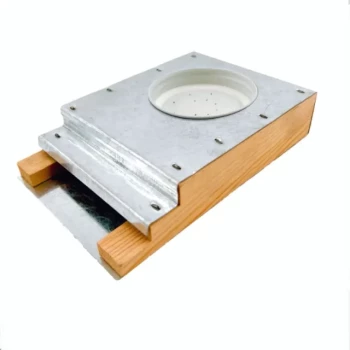
- Boardman Entrance Bee Feeder Durable Galvanized Steel and Wood Construction for Beekeeping
People Also Ask
- What should be done with feeders and equipment after feeding bees? Essential Steps for Apiary Health
- What should be done if feed in a feeder is not consumed by the bees? Prevent Hive Mold with Prompt Feed Management
- What is the necessity of specialized internal or entrance feeders? Secure Your Hive with Professional Feeding Tools
- How quickly does a medium to strong colony usually empty a feeder? A Beekeeper's Guide to Hive Health
- Why are bee feeders used to provide syrup before executing honeybee artificial colony splitting? Success Factors Explained