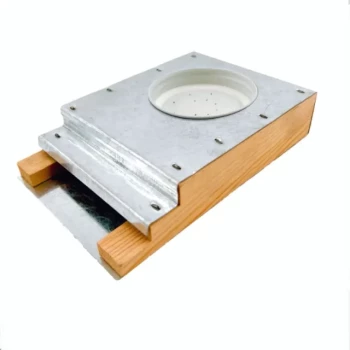
Immediate removal is critical. If the bees do not consume the feed placed in a feeder, it is highly susceptible to spoilage. You must remove any feed that has become mouldy from the hive the moment it is discovered.
Left unchecked, unconsumed feed quickly creates a sanitary hazard within the hive. Your priority is to identify stagnant feed and remove it immediately to prevent the spread of mold to the colony.
Managing Hive Hygiene
The Risk of Rapid Spoilage
Feed that sits stagnant in a feeder does not remain sterile.
Without the bees actively processing and storing it, the mixture can quickly become mouldy.
This transformation turns a resource into a contaminant, threatening the cleanliness of the hive environment.
The Protocol for Removal
Speed is essential when dealing with spoiled resources.
The primary reference dictates that mouldy feed must be removed from the hive as soon as it is discovered.
Do not leave the feed in the hope that the bees will eventually return to it; the presence of mold makes it unsuitable for consumption.
Common Pitfalls to Avoid
Neglecting Inspection
The most significant risk is failing to check the feeder regularly.
If you do not monitor the feeder, you cannot "discover" the mold in time.
Leaving feed unmonitored for long periods increases the likelihood that mold will develop and spread before you can intervene.
Hesitation to Discard
Beekeepers often dislike wasting resources, but this instinct must be suppressed regarding old feed.
Trying to save or filter mouldy feed is not a viable strategy.
The safety of the colony takes precedence over the cost of the sugar syrup; when in doubt, throw it out.
Making the Right Choice for Your Goal
To ensure the health of your apiary, follow these specific guidelines:
- If your primary focus is immediate remediation: Physically remove the feeder and discard all contents the moment you identify mold growth.
- If your primary focus is colony health: Prioritize a clean environment over food availability; never force bees to coexist with rotting feed.
Maintain a vigilant schedule to ensure your help does not become a hazard.
Summary Table:
| Action Required | Reason for Action | Impact on Hive Health |
|---|---|---|
| Immediate Removal | Prevents rapid mold growth and spoilage | Eliminates sanitary hazards |
| Regular Inspection | Early detection of unconsumed syrup | Stops contamination before it spreads |
| Discard Stagnant Feed | Moldy syrup is a toxic contaminant | Ensures bees only consume sterile resources |
| Feeder Cleaning | Removes residual spores/bacteria | Maintains a clean environment for the colony |
Secure Your Apiary’s Success with HONESTBEE
Maintaining hive hygiene is critical for commercial success. At HONESTBEE, we empower commercial apiaries and distributors with the high-performance tools needed to manage large-scale operations efficiently. From precision honey-filling machines to durable, easy-to-clean beekeeping equipment and consumables, our wholesale range is designed for professionals who prioritize colony health and productivity.
Don't let equipment failure or poor hygiene management limit your growth. Contact us today to discover how our comprehensive equipment solutions and honey-themed cultural merchandise can add value to your business and streamline your beekeeping workflow!
Related Products
- Rapid Bee Feeder White Plastic 2L Round Top Feeder for 8 or 10-Frame Bee Hives
- White Plastic 0.5L Beekeeping Entrance Feeder for Bees
- HONESTBEE Entrance Bee Feeder Professional Hive Nutrition Solution for Beekeeping
- HONESTBEE Professional Entrance Bee Feeder Hive Nutrition Solution
- Boardman Entrance Bee Feeder Durable Galvanized Steel and Wood Construction for Beekeeping
People Also Ask
- What should be done with feeders and equipment after feeding bees? Essential Steps for Apiary Health
- What is the necessity of specialized internal or entrance feeders? Secure Your Hive with Professional Feeding Tools
- How do bee feeders work to preserve colony health during nectar shortages? Essential Guide for Beekeepers
- How quickly does a medium to strong colony usually empty a feeder? A Beekeeper's Guide to Hive Health
- Why are bee feeders used to provide syrup before executing honeybee artificial colony splitting? Success Factors Explained