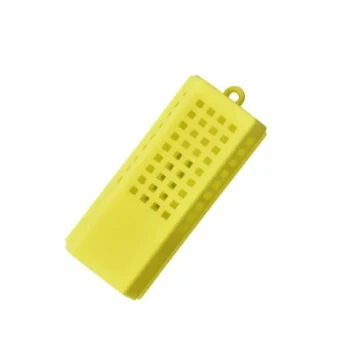
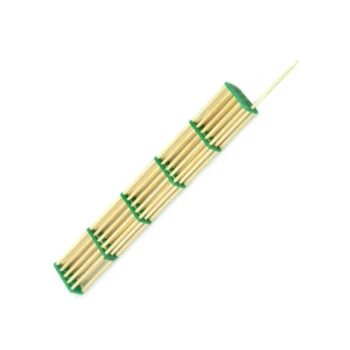
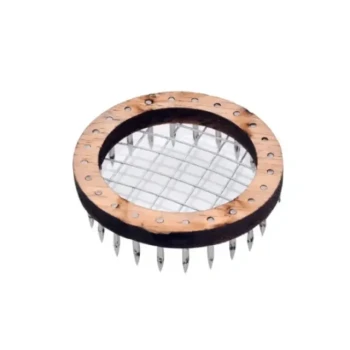
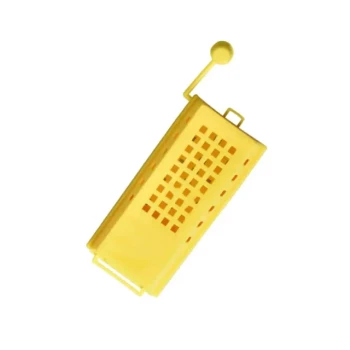
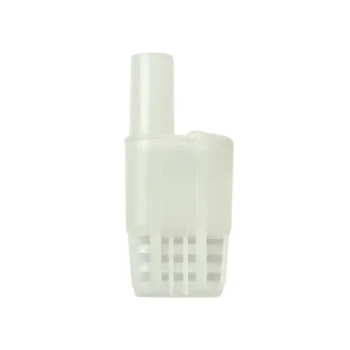
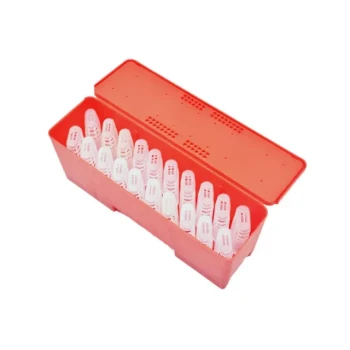
Wooden Benton cages are primarily used to provide a secure, isolated micro-environment that prevents newly emerged queens from killing one another while protecting them from physical injury. These cages are essential for maintaining the queen's physiological health during transport from the apiary to a laboratory for evaluation, ensuring she arrives in optimal condition.
Core Insight: The Benton cage is not merely a shipping container; it is a life-support system. It balances physical isolation to prevent lethal combat with the social support of attendant bees, maintaining the queen's biological integrity during transit.
The Critical Functions of the Benton Cage
Prevention of Lethal Combat
The most immediate need for a newly emerged queen is isolation. Queens are naturally aggressive toward rivals and will instinctively attempt to kill other queens upon emergence.
The wooden Benton cage acts as a solitary confinement cell. This physical barrier renders direct contact impossible, ensuring multiple queens can be stored or transported in close proximity without risk of mutual destruction.
Physical Protection During Transit
Transport introduces physical stress that can harm a delicate queen. The sturdy wooden structure of the Benton cage provides a robust shield against crushing or impact.
This is particularly important when queens are being moved to a laboratory for morphological evaluation or dissection. The cage ensures the specimen remains intact and uninjured, preserving the accuracy of scientific assessments.
Regulating the Micro-Environment
The Role of Attendant Bees
A queen cannot survive long in total isolation; she requires care to maintain homeostasis. Benton cages are designed to house not just the queen, but a small retinue of worker bee attendants.
These workers are responsible for essential life-support tasks. They clean the queen, feed her, and crucially, regulate her temperature. This social component minimizes transport-related stress and preserves her physiological activity.
Nutritional Sustenance
Survival during storage or shipping requires a consistent energy source. These cages typically include a dedicated compartment or trough for sugar candy.
This slow-release food source allows the attendant bees to feed themselves and the queen throughout the journey. It prevents starvation and maintains the queen's energy levels without the mess or spill risk of liquid syrup.
Ventilation and Airflow
While protection is key, the container cannot be airtight. Benton cages utilize a mesh or screen structure to ensure adequate air circulation.
This prevents suffocation and helps regulate humidity within the cage. Proper airflow is vital for the survival of both the queen and her attendants, especially during long-distance transit.
Understanding the Trade-offs
Dependency on Attendants
While the Benton cage structure is sound, its success relies heavily on the biological components inside.
If the attendant bees fail to perform their duties—due to illness, stress, or age—the queen's health will rapidly deteriorate regardless of the cage's quality. The cage provides the structure for safety, but the workers provide the care.
Short-Term Habitation
These cages are strictly designed for temporary storage and transport. They restrict the queen’s movement significantly and do not allow for egg-laying.
Extended confinement in a Benton cage beyond the necessary transport or storage period can eventually lead to detrimental physical stress or reduced vitality.
Making the Right Choice for Your Goal
Whether you are a researcher or an apiarist, the use of a Benton cage should be dictated by your specific objective for the queen.
- If your primary focus is Laboratory Evaluation: Use the Benton cage to ensure the queen arrives physically pristine and uninjured for dissection or morphological measuring.
- If your primary focus is Colony Introduction: Rely on the cage to keep the queen alive and acclimated to the hive's scent safely before releasing her.
The Benton cage is the industry standard for bridging the gap between emergence and the queen's final destination.
Summary Table:
| Feature | Function & Benefit |
|---|---|
| Physical Isolation | Prevents lethal combat between rival newly emerged queens. |
| Sturdy Wood Frame | Protects the queen from crushing and impact during transit. |
| Attendant Bees | Provide feeding, cleaning, and temperature regulation for the queen. |
| Candy Compartment | Supplies a stable, mess-free energy source for the journey. |
| Mesh Screen | Ensures vital ventilation and airflow to prevent suffocation. |
| Micro-environment | Maintains physiological health for lab evaluation or hive introduction. |
Secure Your Apiary’s Future with HONESTBEE
At HONESTBEE, we understand that every queen bee represents the vital core of a colony's productivity. As a premier partner for commercial apiaries and distributors, we provide more than just equipment—we provide reliability.
Our comprehensive wholesale selection includes everything from high-durability wooden Benton cages and specialized beekeeping tools to advanced honey-filling and hive-making machinery. Whether you are looking for essential consumables or honey-themed cultural merchandise, HONESTBEE delivers the quality you need to scale your business.
Ready to elevate your beekeeping operations? Contact Us Today to Explore Our Wholesale Catalog
References
- Noran Gamal Eldin, Nasr K. Basuny. Effect of Pollen Supplements and Substitutes on Honey Bee Queen Ovaries and Worker Hypopharyngeal Glands. DOI: 10.21608/jppp.2018.41253
This article is also based on technical information from HonestBee Knowledge Base .
Related Products
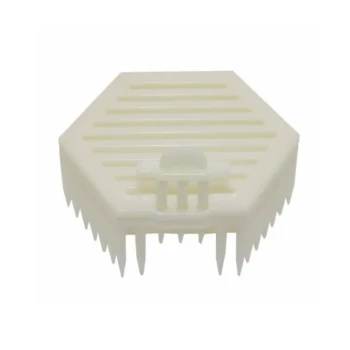
- Hexagonal Direct Comb Introduction Queen Bee Cage
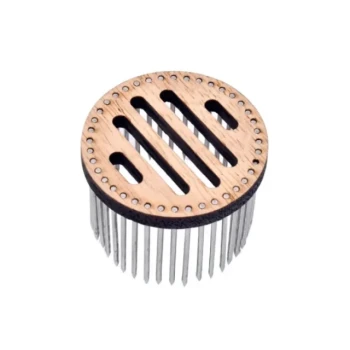
- Premium Wood and Steel Push In Queen Cage
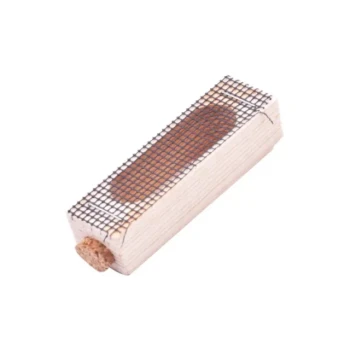
- Classic Wooden and Mesh California Queen Cage
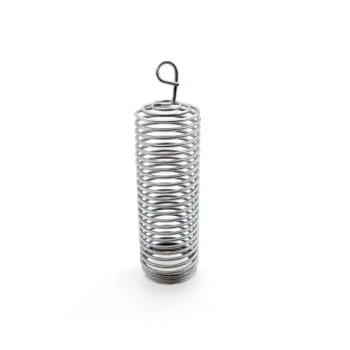
- Durable Galvanized Steel Spring Queen Bee Cage
- Professional Multi-Compartment Queen Cage with Sliding Lid
People Also Ask
- What is the technical purpose of using an introduction cage? Ensure Safe Queen Bee Integration and Colony Acceptance
- How does the introduction cage method differ from standard cage insertion for queen bees? Best Acceptance Strategies
- What is the mechanism of action for using temporary queen bee cages? Master Successful Queen Introduction
- Why are specialized queen bee cages used for the banking of mated queen bees? Maximize Commercial Apiary Storage Efficiency
- What is the importance of specialized queen introduction cages and tools? Secure High-Value Genetics & Scalability.