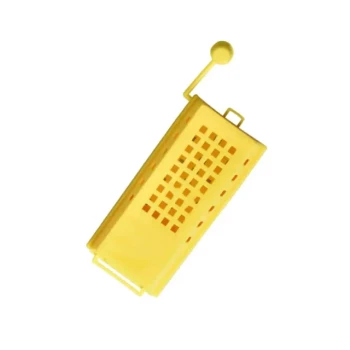
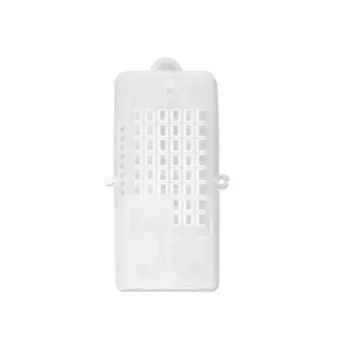
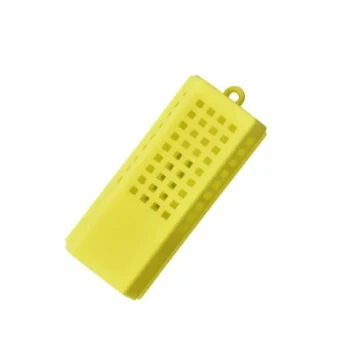
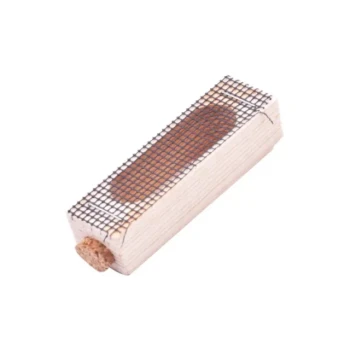
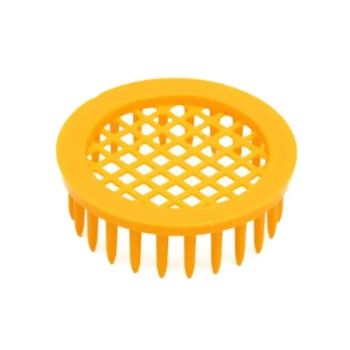
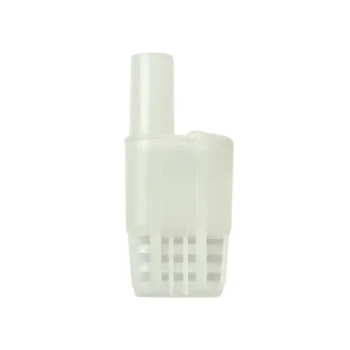
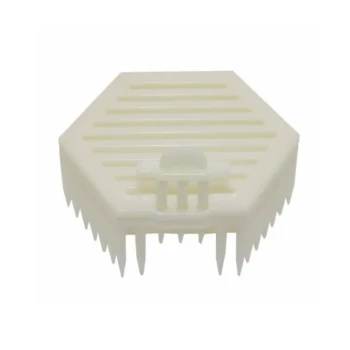
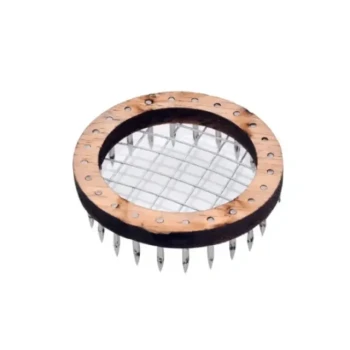
Releasing a queen bee requires patience and precise timing to prevent rejection. The process typically begins by leaving the queen in her cage for 2 to 3 days to allow for pheromone acclimation. Once the colony is non-aggressive, the cork is manually removed to facilitate her natural exit—often by allowing workers to chew through a candy plug—so she can begin egg-laying.
The physical release of the queen is secondary to her chemical acceptance. The cage serves as a protective barrier that allows the colony to adjust to her unique pheromone signature, preventing lethal aggression or "balling" before she is fully integrated.
The Mechanics of a Successful Release
The Acclimation Period
Before any release mechanism is engaged, the queen must remain securely in the cage for 2 to 3 days.
This duration is critical as it allows the colony to adjust to her specific pheromones.
Attempting to bypass this waiting period often leads to the workers attacking the foreign queen.
Removing the Barrier
Once the bees have stopped attacking the cage and are interacting calmly, the cork blocking the cage exit is manually removed.
In many standard shipping cages, removing this cork exposes a sugar-candy plug.
This initiates a "natural" release where worker bees chew through the candy over time, liberating the queen gradually rather than suddenly.
The Role of the Candy Plug
The candy plug acts as a time-release mechanism, further extending the acclimation period.
As workers chew through the sugar, the queen's pheromones disperse more thoroughly throughout the hive.
This reduces the risk of the colony reacting with hostility due to unfamiliarity when she finally emerges.
Common Pitfalls and Trade-offs
Assessing Aggression Before Release
You must observe the behavior of the bees on the cage before removing the cork.
If bees are clinging tightly or trying to sting the cage, the colony has not yet accepted her.
Releasing the queen under these conditions will likely result in her death; she must remain caged longer.
The Five-Day Threshold
While natural release is preferred, mechanical issues can occur.
You should inspect the cage 3 to 5 days after installation to verify the queen has exited.
If she is still trapped by the fifth day, you must perform a manual release by using a hive tool to carefully pull back the screen or tab while holding the cage close to the frames.
The Cost of Delay
While caution is necessary, leaving a queen caged for too long has negative consequences.
Excessive confinement delays the start of egg-laying and honey production.
This results in slower population growth, which can hinder the overall productivity and success of the colony for the season.
Making the Right Choice for Your Goal
## Ensuring Long-Term Colony Stability
The period immediately following release is as critical as the release itself.
- If your primary focus is maximum acceptance success: Do not disturb the hive for at least 10 days after release to allow the queen to settle and begin laying eggs without stress.
- If your primary focus is verifying release: Check the cage between day 3 and 5, but handle the frames gently to avoid triggering a defense response against the new queen.
- If your primary focus is rapid population growth: Ensure the queen is released by day 5 at the latest to minimize the interruption in the brood cycle.
Trust the chemical process of acclimation over the mechanical process of release.
Summary Table:
| Stage | Duration | Action/Indicator | Purpose |
|---|---|---|---|
| Acclimation | 2-3 Days | Keep cage sealed; observe worker behavior | Pheromone adjustment and aggression reduction |
| Candy Release | 3-5 Days | Remove cork to expose sugar-candy plug | Time-release mechanism for gradual integration |
| Manual Release | Day 5 | Use hive tool to open screen (if needed) | Preventing egg-laying delays due to mechanical issues |
| Full Integration | 10+ Days | Minimize hive disturbance | Allow the queen to settle and establish a brood cycle |
Maximize Your Apiary’s Productivity with HONESTBEE
Successful queen integration is just the beginning of a thriving hive. At HONESTBEE, we specialize in supporting commercial apiaries and distributors with high-performance beekeeping solutions. Whether you need specialized hive-making machinery, precision honey-filling equipment, or a steady supply of professional beekeeping tools and consumables, our comprehensive wholesale catalog is designed to scale your operations.
From industrial hardware to unique honey-themed cultural merchandise, we provide the quality and reliability you need to lead the industry. Contact us today to explore our wholesale offers and see how HONESTBEE can streamline your beekeeping business!
Related Products
- Durable Galvanized Steel Spring Queen Bee Cage
- Professional Queen Cage with Sliding Gate and Feeder Plug
- Professional Queen Bee Introduction and Transport Cage
- Professional Bamboo Queen Isolation Cage
- Professional Multi-Functional Queen Bee Cage
People Also Ask
- Why are specialized queen bee cages used for the banking of mated queen bees? Maximize Commercial Apiary Storage Efficiency
- What is the mechanism of action for using temporary queen bee cages? Master Successful Queen Introduction
- What is the step-by-step process for installing a queen bee's cage onto a frame? Ensure Hive Acceptance Safely
- What is the optimal placement for a queen bee cage? Essential Strategies for Successful Re-queening
- What are the advantages and disadvantages of introducing a queen bee by embedding the cage? Boost Your Queen Acceptance