A 50% concentration sugar syrup is chosen primarily because it creates the optimal balance between fluid mechanics and biological uptake. This specific density ensures that probiotic additives remain evenly suspended rather than settling out, guaranteeing that when a honeybee feeds, it ingests a consistent, scientifically effective dose to colonize its gut microflora.
The Core Utility While sugar syrup is a nutritional staple, the 50% concentration acts as a calibrated delivery system. It simulates natural nectar to maximize uptake while ensuring uniform distribution of biostimulators, effectively treating the colony while simultaneously building the energy reserves required for winter survival.
Optimizing the Delivery Mechanism
Ensuring Uniform Dosage
The effectiveness of a probiotic protocol depends entirely on consistency. A 50% concentration offers the ideal flow characteristics to keep probiotic strains evenly distributed throughout the feeder.
Preventing Sedimentation
If the syrup is too thin, additives may settle quickly; if too thick, they may clump. The 50% ratio maintains a suspension that allows for quantitative ingestion. This ensures that the first bee and the last bee to feed receive the same concentration of active biological agents.
Mimicking Natural Sources
Success relies on palatability. This concentration closely simulates natural nectar stimulation, encouraging rapid and enthusiastic consumption by the colony. By aligning with the bees' natural feeding habits, you ensure the probiotics are consumed rather than ignored.
The Metabolic Impact on Winter Survival
Building Cold Tolerance
Beyond carrying probiotics, the syrup serves a critical physiological function. The high-sucrose content provides the immediate metabolic energy required for worker bees to regulate their body temperature, directly increasing their tolerance to low winter temperatures.
Fueling Hygienic Behavior
Energy availability dictates colony behavior. Evidence suggests that feeding this high-concentration syrup can boost a colony's hygiene cleaning rate significantly—potentially rising from ~65% to over 85%. This allows the bees to actively clean the hive and prevent larval diseases before winter sets in.
Gut Flora Colonization
The ultimate goal of the carrier is biological establishment. By facilitating steady ingestion, the syrup allows beneficial strains to optimize the gut microflora. This internal fortification is a vital preparation step for the long overwintering period when foraging is impossible.
Understanding the Trade-offs
Storage vs. Consumption
While 50% syrup is excellent for preparation and treatment, it contains a significant amount of water. It is designed for immediate consumption and processing by the bees, not necessarily for raw storage in the comb without evaporation.
Moisture Management
Introducing large volumes of liquid feed late in the season requires care. The bees must have enough time and warmth to process the water content. Failing to account for this can lead to excess moisture in the hive, which is detrimental during freezing conditions.
Making the Right Choice for Your Goal
To apply this to your apiary management, consider your specific objectives for the season:
- If your primary focus is Probiotic Efficacy: Prioritize the 50% concentration to ensure the active strains are evenly suspended and every bee receives the correct dosage.
- If your primary focus is Disease Prevention: Utilize this feed concentration to spike energy levels, which drives the colony to perform intensive cleaning and hygienic tasks.
- If your primary focus is Winter Prep: Ensure this feeding occurs while temperatures are still high enough for bees to metabolize the syrup and establish their gut flora before full dormancy.
By treating the syrup as a precise delivery vehicle rather than just simple food, you transform a basic feeding routine into a targeted health intervention.
Summary Table:
| Factor | 50% Syrup Advantage | Impact on Bee Health |
|---|---|---|
| Suspension | Prevents probiotic sedimentation | Ensures consistent dosage per bee |
| Palatability | Mimics natural nectar | Encourages rapid and complete uptake |
| Metabolism | High-sucrose energy source | Increases cold tolerance and thermoregulation |
| Behavior | Boosts energy levels | Improves hygienic cleaning rates up to 85%+ |
| Microflora | Facilitates gut colonization | Fortifies internal health for long dormancy |
Maximize Your Colony’s Winter Survival with HONESTBEE
Ensure your apiary is equipped with the right tools for successful overwintering. At HONESTBEE, we specialize in supporting commercial apiaries and distributors with a comprehensive range of professional-grade equipment.
From high-efficiency honey-filling machines to specialized hive-making machinery and essential industry consumables, our portfolio is designed to enhance your operational productivity. Whether you are scaling up your production or stocking the latest beekeeping hardware, we provide the wholesale solutions you need to succeed.
Ready to upgrade your apiary’s efficiency? Contact HONESTBEE today to explore our full spectrum of beekeeping machinery and tools.
References
- Galina Mishukovskaya, Aygul Naurazbaeva. Effect of Probiotic Feed Additives on Honeybee Colonies Overwintering. DOI: 10.3844/ajavsp.2020.284.290
This article is also based on technical information from HonestBee Knowledge Base .
Related Products
- HONESTBEE Entrance Bee Feeder Professional Hive Nutrition Solution for Beekeeping
- HONESTBEE Professional Hive Top Bee Feeder Feeding Solution
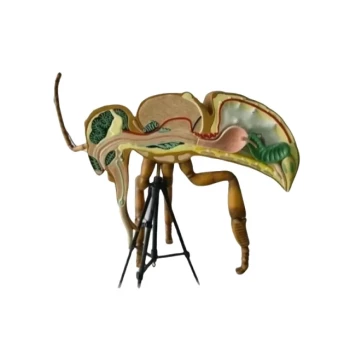
- HONESTBEE Anatomy Bee Model Detailed Anatomical Display for Education and Study
- Honey Bee Lifecycle Model: A Detailed Honeycomb Display of Bee Development
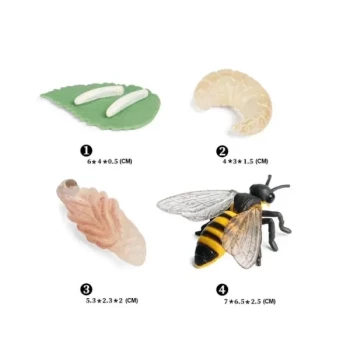
- Honey Bee Life Cycle Model 4 Stage Educational Set for Kids Learning
People Also Ask
- What types of bee feeders are available for beginners? Start with the Simple Entrance Feeder
- What are the advantages and disadvantages of using an entrance feeder for bees? Balance Convenience and Hive Security.
- What is a bee entrance feeder and what are its drawbacks? Essential Guide to Hive Security and Feeding Efficiency
- How does a bee entrance feeder work? A Simple Guide to Convenient Hive Feeding
- How to make an entrance feeder for bees? A DIY Guide for Safe & Effective Feeding