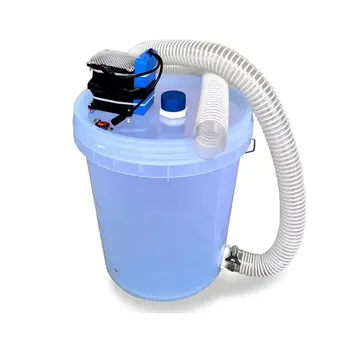
A clean water system is a non-negotiable component of beekeeping infrastructure during periods of drought or high heat. It serves three critical functions: maintaining the bees' physiological balance, fueling evaporative cooling to regulate hive temperature, and enabling the dilution of stored honey so it can be digested. Without a reliable source of fresh water, a colony cannot effectively lower its internal temperature or access its food reserves, leading to heat stress and potential collapse.
A reliable water source acts as the primary defense against heat stress, allowing the colony to actively lower internal temperatures and significantly increasing survival rates during extreme weather.
The Mechanics of Hive Thermoregulation
Evaporative Cooling
During high-temperature periods, bees do not just passively endure the heat; they actively engineer their environment. They collect water and distribute it within the hive. By fanning their wings over these water droplets, they induce evaporation, which pulls heat energy out of the air and cools the colony.
Protecting the Brood Area
This cooling process is critical for the colony's future generation. The brood area requires a constant, specific temperature to ensure larvae develop correctly. Even when external temperatures exceed 40°C in arid regions, water access allows the bees to keep the brood chamber stable and safe.
Biological and Metabolic Necessities
Diluting Stored Food
Honey is essentially a supersaturated sugar solution that can be difficult for bees to metabolize in its stored state. Bees require water to dilute stored honey back into a consumable consistency. Without water, they essentially starve while surrounded by food.
Physiological Balance
Beyond the mechanical needs of the hive, individual bees require hydration for basic metabolism. Water is essential for maintaining physiological balance, allowing the bees to function correctly even when the external environment is hostile.
Common Pitfalls in Water Management
The Cleanliness Factor
The primary reference emphasizes that the system must be clean. Providing dirty or stagnant water can introduce pathogens to a colony already under stress from the heat. A "set it and forget it" approach that allows algae or toxins to build up can be as detrimental as having no water at all.
Reliability and Consistency
In arid climates, a sporadic water source is insufficient. Specialized automatic watering devices are often necessary to provide a continuous supply. If the water runs dry even for a short period during peak heat, the colony's cooling capacity collapses instantly.
Making the Right Choice for Your Goal
To implement an effective water infrastructure, you must match the system to your environmental risks.
- If your primary focus is extreme heat survival (40°C+): Prioritize automatic watering devices that ensure a continuous supply without requiring daily manual refilling.
- If your primary focus is general colony health: Ensure the water source is clean and fresh to prevent disease transmission while facilitating honey dilution.
A stable water supply is the single most effective tool for empowering your bees to manage their own environment and survive climatic extremes.
Summary Table:
| Function | Description | Impact on Colony |
|---|---|---|
| Evaporative Cooling | Bees fan wings over water droplets to lower hive temperature. | Prevents heat stress and colony collapse. |
| Brood Protection | Maintains a stable microclimate for developing larvae. | Ensures healthy future generations. |
| Honey Dilution | Waters down stored honey into a consumable state. | Prevents starvation during dry periods. |
| Metabolic Health | Maintains physiological balance and hydration. | Sustains individual bee activity and longevity. |
Scale Your Beekeeping Success with HONESTBEE
For commercial apiaries and global distributors, managing large-scale operations during extreme weather requires professional-grade infrastructure. At HONESTBEE, we specialize in empowering your business with a comprehensive wholesale portfolio—from automatic watering devices and specialized hive-making machinery to high-efficiency honey-filling machines and essential industry consumables.
Whether you are upgrading your equipment or stocking up on honey-themed cultural merchandise, we provide the tools and expertise to ensure your colonies thrive and your business grows. Contact HONESTBEE today to discover how our wholesale solutions can optimize your beekeeping operations.
References
- Mandeep Rathee, Pradeep Kumar Dalal. Advertising the Significance of Diverse Plant Taxa to <i>Apis mellifera</i> Foragers during the Dearth Period in North Haryana. DOI: 10.55446/ije.2023.1172
This article is also based on technical information from HonestBee Knowledge Base .
Related Products
- Professional Stainless Steel Honey Filtering Machine with Water Bath Heating for Beekeeping
- HONESTBEE Entrance Bee Feeder Efficient Hive Front Liquid Feeding Solution for Beekeeping
- Yellow Plastic Bucket Pail Perch for Beekeeping
- Miniature Stainless Steel Bee Smoker for Beekeeping
- Professional Hive Top Bee Feeder for Beekeeping
People Also Ask
- Why is filtering honey an important step in honey processing? Ensure Purity, Clarity & Marketability
- Why do people filter honey? For Clarity, Stability, and Consumer Appeal
- Is it necessary to filter honey after extraction? A Guide to Straining vs. Raw Honey
- What is the best way to filter honey? A Guide to Quality, Clarity, and Raw Preservation
- What are the benefits of using honey filters? Achieve Purity, Efficiency, and Market Appeal