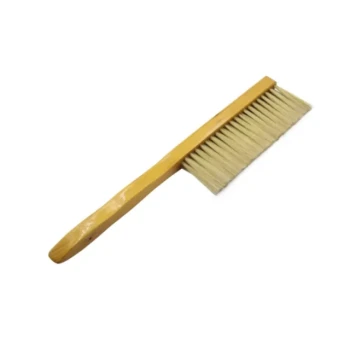
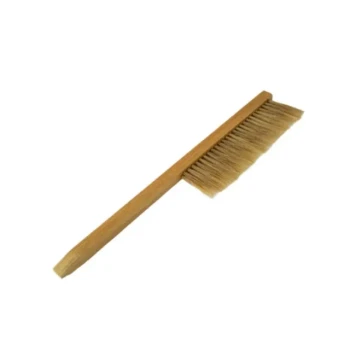
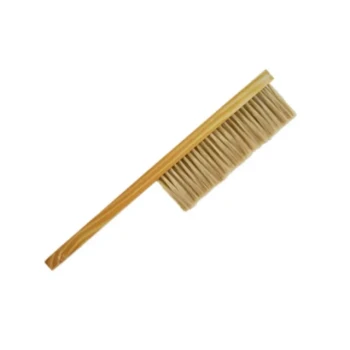
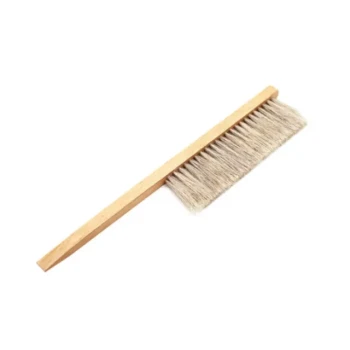
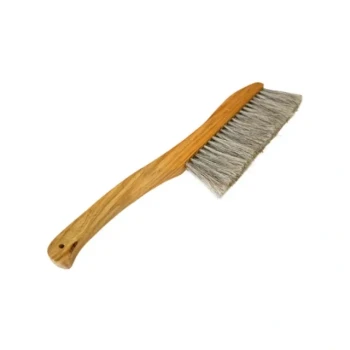
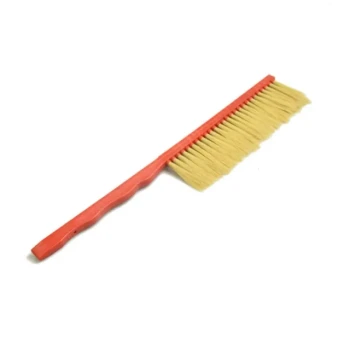
** The primary function of a soft-bristled Bee Brush** is to physically separate honeybees from honeycombs without causing them harm. The specific design of the soft, often elastic bristles allows the beekeeper to sweep bees off the frames and back into the hive, preventing physical injury to the insects while minimizing the risk of provoking a defensive, aggressive reaction.
The use of a soft-bristled brush is a critical step in humane beekeeping that balances harvest efficiency with colony welfare. It ensures that honey frames are cleared for extraction without damaging the bees, thereby preserving the colony's vitality and maintaining the purity of the harvest.
The Mechanics of Gentle Removal
Preventing Physical Injury
The anatomy of a honeybee is delicate. Rigid or stiff bristles could easily crush a bee's exoskeleton or damage its wings and legs during the sweeping motion.
Soft bristles act as a buffer. They bend against the resistance of the bee's body rather than driving through it, allowing for the effective removal of the insect without inflicting trauma.
Reducing Aggression
When bees are handled roughly or crushed, they often release alarm pheromones that trigger a defensive response in the rest of the colony. This makes the hive harder to manage and increases the risk of stings for the beekeeper.
Using a soft brush minimizes this agitation. By gently guiding the bees rather than forcing them, the colony remains calmer, supporting a safer working environment.
Impact on Production Quality
Ensuring Honey Purity
The goal of harvesting is to extract honey, not biological debris. A soft brush ensures that bees are removed intact before the frame enters the extraction phase.
This facilitates the gentle separation of insects from the combs. It prevents debris or injured bees from ending up in the honey processing equipment, ensuring a cleaner final product.
Preserving Colony Vitality
A sustainable harvest depends on the remaining bee population being healthy enough to rebuild and forage. Injuring a large number of bees during harvest weakens the colony.
By using a tool designed for humane practices, beekeepers ensure the colony retains the manpower and energy needed to maintain the hive after the honey has been removed.
Understanding the Trade-offs
The Necessity of Technique
While the bristles are soft, the tool is not foolproof. A Bee Brush requires a specific, steady technique to be effective.
Brushing too rapidly or with too much pressure—even with soft bristles—can still roll the bees across the comb. This causes dizziness or anger in the insects, negating the benefits of the tool.
Maintenance and Cleanliness
Because the brush comes into direct contact with honeycombs, the bristles can become sticky with honey or propolis over time.
If the bristles stick together, they lose their softness and elasticity. Regular cleaning is required to ensure the tool remains safe for the bees and does not become a rigid object that could cause the very injury it is designed to prevent.
Making the Right Choice for Your Goal
The bee brush is a fundamental tool, but its effectiveness depends on your specific objectives during the harvest workflow.
- If your primary focus is Colony Welfare: Prioritize a brush with long, highly elastic bristles to ensure maximum flexibility when contacting the bees.
- If your primary focus is Harvest Efficiency: focus on the technique of sweeping bees directly back into the hive box to quickly clear frames for the extractor without pausing for defensive interruptions.
mastering the use of a soft-bristled brush allows you to harvest the rewards of the hive while respecting the labor of the colony that produced it.
Summary Table:
| Feature | Benefit to Beekeeping |
|---|---|
| Soft Elastic Bristles | Prevents physical injury to delicate wings and exoskeletons. |
| Gentle Sweeping Motion | Minimizes alarm pheromone release, keeping the colony calm. |
| Effective Bee Removal | Ensures frames are clear of debris for high-purity honey extraction. |
| Colony Preservation | Maintains hive vitality for future foraging and honey production. |
| Manual Control | Allows for precise handling of frames without damaging wax cells. |
Scale Your Beekeeping Operations with HONESTBEE
At HONESTBEE, we understand that professional beekeeping requires the perfect balance of efficiency and care. As a premier provider for commercial apiaries and distributors, we supply a comprehensive range of high-quality wholesale beekeeping tools—from ergonomic soft-bristled brushes to advanced honey-filling machines and hive-making equipment.
Whether you are stocking up on industry consumables or upgrading your machinery, our expert team is here to support your business growth. Contact us today to discover how our tailored equipment solutions can enhance your production quality and colony vitality.
References
- Asfaw Albore, Getachew Abraham. Adoption and Intensity of Adoption of Beekeeping Technology by Farmers: The Case of Sheko Woreda of Bench-Maji Zone, South west Ethiopia. DOI: 10.7176/alst/97-03
This article is also based on technical information from HonestBee Knowledge Base .
Related Products
- Wooden Bee Brush with Triple Row Artificial Fiber for Beekeeping
- Classic Wooden Bee Brush with Double-Row Boar Bristles
- Double Row Artificial Fiber Bee Brush for Beekeeping
- Wooden Bee Brush with Double-Row Horsehair Bristles
- Premium Triple-Row Horsehair Bee Brush
People Also Ask
- What is the specific function of a bee brush? Ensure Pure Harvests and Colony Welfare During Honey Extraction
- What are the key characteristics of the bristles on a bee brush? Master Gentle and Efficient Bee Removal
- What is the purpose of using a bee brush during the inspection of hive components? Safe & Precise Hive Management
- What problem does a bee brush solve? Protect Your Colony with Gentle Precision Tools
- Why is a bee brush necessary when extracting honeybee hive frames that contain larvae? Protect Your Brood and Colony