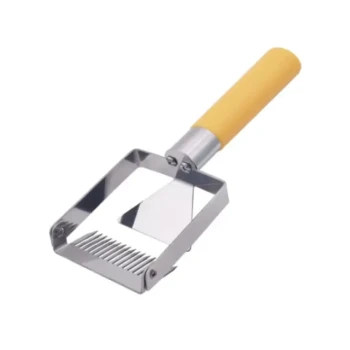
The preference for glass is dictated by chemistry. Royal jelly is a slightly acidic, bioactive substance that reacts adversely with standard metal tools. A special glass spatula is preferred because it is chemically inert, preventing oxidation and heavy metal contamination while its smooth surface maximizes the harvest of this high-value product.
The acidic pH of royal jelly creates a high risk of chemical spoilage and impurity introduction when using metal tools. Glass provides the required inertness to maintain biological activity and the physical precision to minimize waste.
Preserving Chemical Integrity
The Acidity Factor
Royal jelly is inherently slightly acidic. This acidity acts as a catalyst for chemical reactions when brought into contact with reactive materials.
Preventing Contamination
Metal tools are prone to reacting with the jelly's acidic environment. This reaction can introduce heavy metal impurities into the harvest and accelerate spoilage, compromising the product's purity.
Protecting Bioactive Components
Royal jelly contains complex bioactive components, such as 10-HDA. Using chemically inert glass ensures these sensitive nutrients are not degraded by oxidation or chemical triggers often caused by metal contact.
Maximizing Harvest Yield
Superior Surface Smoothness
Glass offers a significantly smoother surface compared to metal or wood. This reduces friction and prevents the high-viscosity jelly from sticking to the tool, ensuring cleaner transfer.
Minimizing Waste
Because royal jelly is a high-value product, minimizing loss is critical. The smooth nature of the glass spatula allows for thorough removal from the cell cups, ensuring that residue is not left behind.
Precision Extraction
Specialized spatulas are designed to fit the curved bottom of queen cell cups. This physical design allows for the stripping of jelly without damaging the delicate larvae or leaving valuable material in the crevices.
Understanding the Trade-offs
The Risk of Metal Tools
While metal tools are durable, they are unsuitable for this specific application. The primary risk is chemical reactivity, which leads to immediate quality degradation and potential toxicity through heavy metal leaching.
Glass vs. Wood
Wooden tools are sometimes used to avoid chemical reactions and preserve nutrients like 10-HDA. However, glass is generally preferred over wood because it is non-porous and smoother, allowing for better sterilization and yield efficiency.
Making the Right Choice for Your Goal
To ensure the highest standard of royal jelly production, select your tools based on your specific priorities:
- If your primary focus is Purity: Choose glass to guarantee a chemically inert environment that prevents heavy metal contamination and preserves bioactive nutrients.
- If your primary focus is Yield: Rely on the smooth surface of glass to strip cell cups thoroughly, minimizing the loss of high-viscosity jelly.
By selecting the correct material, you protect both the biological potency and the economic value of your harvest.
Summary Table:
| Feature | Glass Spatula | Metal Tools | Wooden Tools |
|---|---|---|---|
| Chemical Reactivity | Inert (No reaction) | High (Oxidizes jelly) | Low |
| Contamination Risk | None | Heavy metal leaching | Porous/Bacterial risk |
| Harvest Yield | High (Smooth surface) | Moderate | Low (Sticks to grain) |
| Sterilization | Very Easy | Easy | Difficult |
| Durability | Fragile | High | Moderate |
Elevate Your Royal Jelly Production with HONESTBEE
Maintaining the biological integrity of royal jelly requires professional-grade tools that prevent contamination and maximize every harvest. At HONESTBEE, we specialize in supporting commercial apiaries and distributors with a comprehensive wholesale range of high-performance beekeeping equipment.
From chemically inert harvesting tools and specialized honey-filling machinery to industrial-scale hive-making equipment, our portfolio is designed to enhance your efficiency and product value.
Ready to scale your apiary operations? Contact us today to explore our wholesale solutions and discover how HONESTBEE can streamline your beekeeping business.
References
- O. Mischenko, D. Kryvoruchko. The influence of honey harvest conditions on the production of the royal jelly by queen bees. DOI: 10.31073/agrovisnyk202104-06
This article is also based on technical information from HonestBee Knowledge Base .
Related Products
- Plastic Chinese Queen Grafting Tool for Bee Queen Rearing
- Professional Honey Uncapping Roller for Efficient Harvesting
- All-Stainless Steel Pivoting Honey Uncapping Fork for Beekeeping
- Stainless Steel Pivoting Honey Uncapping Fork with Plastic Handle
People Also Ask
- Why is it necessary for migratory beekeeping enterprises to utilize professional queen bee rearing tools? Boost Resilience
- What specialized tools and frame configurations are needed for larval grafting during queen rearing, and how are queen cells properly spaced? Master the essentials for efficient queen production
- What are the benefits of using a queen grafting tool for queen rearing? Master Precision for Superior Bee Genetics
- What is grafting in queen rearing? Take Control of Your Apiary's Genetics
- What are the steps involved in using a queen grafting tool? A Guide to Successful Queen Rearing