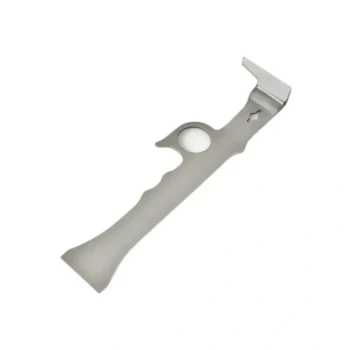
The primary benefit of a queen grafting tool is its ability to facilitate the precise, delicate transfer of larvae. By utilizing a design that mimics the natural curve of a bee larva, the tool allows beekeepers to scoop and move fragile, one-day-old larvae without causing physical harm. This mechanical advantage is the single most significant factor in achieving high survival rates during the artificial queen rearing process.
The grafting tool serves as the critical link between selecting superior genetics and successfully rearing a new queen. Its value lies not just in moving a larva, but in doing so with such extreme delicacy that the colony accepts the transplant, ultimately leading to stronger hives and better swarm management.
The Mechanics of Precision
Anatomical Mimicry
The tool is specifically engineered to mimic the shape and curvature of a bee larva. This design compliance allows the tip to slide naturally under the larva rather than prodding or piercing it.
Minimizing Physical Trauma
A major risk during grafting is "rolling" or damaging the larva. The tool’s flexible tip enables you to scoop the larva up from the bottom of the cell, preventing physical injury that would cause the worker bees to reject the graft.
Preventing Drowning
Proper use of the tool prevents the larva from being flipped over during transfer. Flipping a larva can cause it to drown in its own royal jelly; the tool ensures it remains in its original orientation when placed into the queen cell cup.
Impact on Apiary Success
Higher Acceptance Rates
Because the tool minimizes stress and damage during the transfer, the colony is far more likely to accept the grafted larvae. High operational precision is the foundation for a successful "take" in the cell starter hive.
Genetic Consistency
Using a grafting tool allows for the systematic selection of larvae from your strongest colonies. This enables the large-scale replication of superior maternal genetics, ensuring consistency across your apiary.
Enhanced Productivity
Successful grafting leads to a reliable supply of vigorous queens. This helps maintain strong colony populations, which directly correlates to reduced energy expenditure on comb building and increased honey yields per hive.
Broader Colony Management
Swarm Control
By rearing queens proactively, you can manage the impulse to swarm. Replacing queens on your schedule, rather than the bees', allows you to maintain optimal colony numbers and prevent the loss of bees to swarming.
Educational Value
Mastering the grafting tool forces a beekeeper to observe the colony at a microscopic level. It serves as an educational resource, fostering a deeper understanding of the larval development cycle and the nuances of queen rearing.
Understanding the Trade-offs
The Skill Curve
While the tool is designed for precision, it is not automated. Success requires a steady hand and practice; improper technique can still result in damaged larvae or dry transfers that fail to take.
Strict Timing Requirements
The tool is only effective if used within a narrow biological window. You must identify and graft larvae that are specifically less than 24 hours old; using the tool on older larvae significantly reduces the quality of the resulting queen.
Preparation is Key
The tool does not work in isolation. It requires maintenance, such as cleaning and moistening the tip before use to prevent sticking, as well as high-quality consumables like plastic cell cups to ensure a consistent environment for the larvae.
Making the Right Choice for Your Goal
To get the most out of your queen rearing efforts, match your approach to your ultimate objective:
- If your primary focus is Genetic Improvement: Prioritize the tool's ability to selectively transfer larvae from your single best-performing queen to replicate her traits across the apiary.
- If your primary focus is Learning: Use the grafting process as a diagnostic exercise to better identify larval ages and understand the 16-day development timeline of the queen.
Precision in the hand leads to power in the hive.
Summary Table:
| Benefit Category | Key Advantage | Impact on Apiary |
|---|---|---|
| Larval Safety | Anatomical mimicry & flexible tip | Minimizes trauma and prevents drowning |
| Colony Growth | High acceptance rates | Ensures a reliable supply of vigorous queens |
| Genetic Control | Systematic selection | Replicates superior traits across the apiary |
| Management | Proactive queen replacement | Effective swarm control and higher honey yields |
Elevate Your Queen Rearing with HONESTBEE Precision Tools
At HONESTBEE, we specialize in empowering commercial apiaries and distributors with the high-performance machinery and equipment needed for large-scale success. From precision queen grafting tools and cell cups to advanced honey-filling machines and hive-making hardware, our comprehensive wholesale portfolio is designed to enhance your operational efficiency and genetic consistency.
Partner with HONESTBEE to secure professional-grade tools and industry-essential consumables for your business.
Contact Us Today to Discuss Your Wholesale Needs
Related Products
- Stainless Steel Queen Grafting Tool for Beekeeping and Bee Queen Grafting
- Stainless Steel Beekeeping Queen Grafting Tool for Honey Bee Rearing
- Plastic Chinese Queen Grafting Tool for Bee Queen Rearing
- Black 2 Pack Beekeeper Queen Grafting Tool for Bee Queen Larva Transferring Needle
- Retractable Chinese Queen Rearing Grafting Tools Equipment
People Also Ask
- What are the steps involved in using a queen grafting tool? A Guide to Successful Queen Rearing
- What is grafting in queen rearing? Take Control of Your Apiary's Genetics
- What is the step-by-step process for using a queen grafting tool? Master Larva Transfer for Better Queen Rearing
- What is the primary function of a queen grafting tool? Master Precise Larval Transfer for High Queen Acceptance
- What is the primary function of beekeeping grafting tools? Enhance Queen Rearing Efficiency for Commercial Apiaries