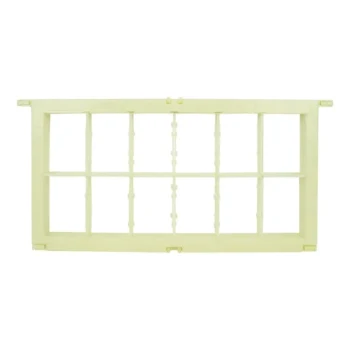
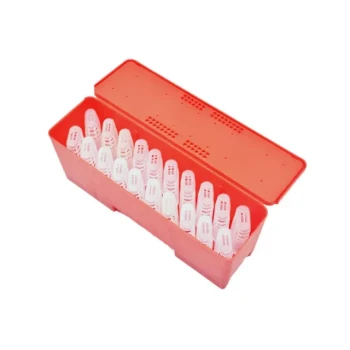
Preserving the absolute integrity of the sample is the fundamental reason a Specialized Honeycomb Transport Box is mandatory during the collection process. This device is specifically engineered to shield honeycomb samples from environmental metal dust while ensuring structural stability to prevent leakage and heat-induced chemical degradation during transit from the field to the laboratory.
The Specialized Honeycomb Transport Box serves as a critical isolation chamber, ensuring that the honeycomb analyzed in the lab remains chemically and physically identical to the specimen harvested in the field.
Preventing External Contamination
Blocking Environmental Metal Dust
The primary function of this specialized box is to create a barrier against environmental metal dust.
Field environments are often uncontrolled, and exposure to metallic particulates can compromise the chemical profile of the honey.
By eliminating contact with these contaminants, the box ensures the sample remains a true representation of the hive's internal environment.
Avoiding Material Interaction
Unlike generic containers, specialized transport boxes are designed to be chemically inert regarding the sample.
This prevents the container itself from leaching substances into the honeycomb or reacting with acidic honey components.
Maintaining Physicochemical Stability
Mitigating Heat Impact
Honey is sensitive to temperature changes, which can alter its physicochemical properties.
The specialized box provides protection against ambient heat, preventing the sample from degrading or changing composition before it reaches the lab.
Preventing Structural Failure and Leakage
Honeycomb is fragile and prone to breaking during transport over rough terrain.
The box is constructed to maintain structural stability, holding the comb effectively to prevent collapse.
This rigidity prevents honey leakage, which would not only result in sample loss but also potentially expose the remaining comb to oxidation or moisture.
Understanding the Constraints and Trade-offs
Sampling vs. Bulk Transport
It is critical to distinguish between sampling and logistics.
This specialized box is designed for high-fidelity small samples, not for the bulk transport of raw honey.
For large-scale movement where volume is the priority, industrial-grade plastic buckets or woven bags are more appropriate due to their capacity and durability.
Biological vs. Chemical Focus
While the specialized box protects against dust and heat, it may not be sufficient for all biological metrics on its own.
For specific microbial analysis (like total colony counts), supplementary sterilized bottles may be required inside the transport process to ensure absolute sterility against microorganisms, rather than just physical or metallic contaminants.
Making the Right Choice for Your Goal
To ensure your data is valid, you must match the transport method to your specific analytical objective:
- If your primary focus is chemical analysis and purity: Rely on the Specialized Honeycomb Transport Box to prevent metal dust contamination and heat degradation.
- If your primary focus is bulk logistics and cost-efficiency: Utilize industrial-grade plastic buckets or thickened plastic woven bags to handle rugged transport conditions without metal ion reactions.
- If your primary focus is microbial quantification: augment your process with sterilized sampling bottles to prevent secondary microbial contamination.
Using the correct containment ensures that your laboratory results reflect the reality of the apiary, not the conditions of the journey.
Summary Table:
| Feature | Specialized Transport Box | Industrial Buckets/Bags | Sterilized Bottles |
|---|---|---|---|
| Primary Purpose | High-fidelity chemical sampling | Bulk logistics & cost-efficiency | Microbial/Biological analysis |
| Contamination Control | Blocks metal dust & inert materials | Prevents metal ion reactions | Ensures absolute sterility |
| Physical Protection | High structural stability | High durability for volume | Low; requires external casing |
| Temperature Care | Mitigates heat impact | Limited insulation | Varies by bottle material |
| Best Use Case | Lab research & purity testing | Large-scale raw honey movement | Colony counts & bacterial tests |
Elevate Your Apiary Standards with HONESTBEE
Precision in the field leads to excellence in the jar. At HONESTBEE, we specialize in supporting commercial apiaries and distributors with a comprehensive range of professional beekeeping tools, machinery, and consumables. Whether you need specialized hardware like honey-filling machines and hive-making equipment or high-quality transport solutions to maintain sample purity, we provide the industrial-grade tools you need to succeed.
Ready to scale your production and ensure top-tier honey quality? Contact us today to explore our wholesale offerings and discover how our expertise can streamline your beekeeping operations.
References
- Estela Ivon Santos, Yanina Mancebo. Color y conductividad eléctrica de las mieles producidas por Apis mellifera en Uruguay. DOI: 10.26461/16.08
This article is also based on technical information from HonestBee Knowledge Base .
Related Products
- Plastic Honey Comb Frames Cassette Box for Honey
- Plastic Transporting Bee Packages and Nuc Boxes for Beekeeping
- Professional Sectional Comb Honey Frame with 250g Cassette System for Beekeeping
- Heart-Shaped Comb Honey Frame and Honeycomb Cassette
- JZBZ Style Professional Battery Box with 20 Shipping Cages
People Also Ask
- How are honeybee combs utilized for non-destructive colony monitoring? Master Population Density Tracking
- What is the significance of sampling honeycomb frames and hive bottoms? A Guide to Scientific Sanitation Monitoring
- What is a honeycomb frame? The Key to Modern, Sustainable Beekeeping
- What is the technical purpose of exchanging honeycomb frames? Master Apiary Equalization for Growth
- What frame to use for honeycomb? Choose the Right System for Pure, Edible Comb