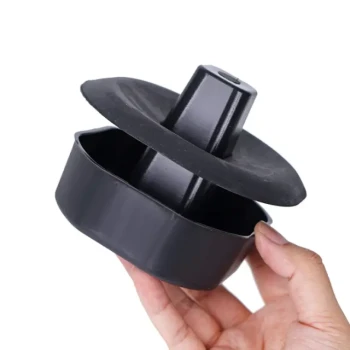
A specialized wooden hive stand is essential for the survival of Heterotrigona itama colonies in residential settings because it creates a critical physical barrier against ground-level threats. By elevating the hive specifically 50 to 60 cm off the ground, the stand prevents ground moisture from saturating the hive and blocks direct access for predators like ants, ensuring the colony's long-term health.
Core Insight: The stand is not merely a support structure; it is an isolation device. Its primary function is to decouple the hive from the damp, predator-rich environment of the ground, simulating the safety of an arboreal nest.
Protecting the Colony from Environmental Threats
Preventing Moisture Ingress
Ground moisture is a significant threat to the structural integrity and sanitation of a beehive. Direct contact with the soil can cause the hive materials to dampen, leading to rot and fungal growth.
The wooden stand breaks this contact completely. By holding the hive aloft, it ensures the colony remains dry, which is vital for maintaining a healthy internal atmosphere.
The Critical Height Factor
The specific elevation of 50 to 60 cm is not arbitrary. This height provides sufficient clearance to keep the hive well above splashing rain and rising dampness from the soil.
It also places the hive at a convenient working height for beekeepers. This facilitates inspection and honey harvesting without requiring the keeper to kneel in potential mud or wet grass.
Defense Against Ground-Dwelling Predators
Physical Isolation from Pests
Ground-dwelling predators, particularly ants and lizards, are aggressive invaders of stingless bee colonies. Without a stand, a hive sitting on the ground offers an easy, direct path for these pests to enter and raid the colony.
The stand introduces a vertical challenge that complicates access for crawling predators.
Integrated Defense Mechanisms
Many specialized stands are designed to work in tandem with bottom water-control features. These features serve as physical moats or barriers that prevent pests from climbing the legs of the stand.
By incorporating these water controls, the stand effectively cuts off the "bridge" that ants would otherwise use to invade the hive.
Supporting the Micro-Environment
Mimicking Natural Habitats
In the wild, Heterotrigona itama bees typically nest in tree trunks, well above the forest floor. The specialized stand helps simulate this natural vertical positioning.
It supports specialized box hives designed to replicate the thermal properties of a natural log.
Stabilizing Temperature
Elevating the hive aids in maintaining a constant internal temperature. Ground temperatures can fluctuate wildly, becoming extremely cold at night or radiating intense heat during the day.
Lifting the hive into the air allows for airflow underneath, helping the hive box shield the colony from these extreme thermal fluctuations.
Understanding the Trade-offs
Material Vulnerability
While wood is a natural choice that mimics the bee's environment, it is susceptible to the elements. A wooden stand can rot over time if placed in constantly wet soil without proper treatment or footing.
Stability Requirements
Elevating a hive 60 cm raises its center of gravity. If the stand is placed on uneven residential ground, it risks tipping over during high winds or accidental impacts, which can be catastrophic for the colony.
Making the Right Choice for Your Goal
To maximize the success of your Heterotrigona itama colony, select your stand setup based on your specific environmental challenges.
- If your primary focus is Pest Exclusion: Prioritize a stand that integrates water-control cups or moats on the legs to create an impassable barrier for ants.
- If your primary focus is Moisture Management: Ensure the stand elevates the hive the full 60 cm and rests on concrete pavers to prevent the wooden legs from wicking up ground water.
A properly elevated hive turns a vulnerable colony into a defensible fortress.
Summary Table:
| Feature | Recommended Specification | Primary Benefit |
|---|---|---|
| Elevation Height | 50 - 60 cm | Prevents ground moisture ingress and splashing rain. |
| Material | Natural Wood | Mimics natural arboreal habitat & thermal properties. |
| Defense Mechanism | Water-control moats/cups | Blocks ants and crawling predators from entry. |
| Strategic Base | Concrete pavers/Footings | Prevents leg rot and ensures structural stability. |
| Working Height | Ergonomic elevation | Facilitates easier inspection and honey harvesting. |
Elevate Your Apiary with HONESTBEE
Maximize the health and productivity of your Heterotrigona itama colonies with professional-grade equipment. At HONESTBEE, we specialize in supporting commercial apiaries and distributors with a comprehensive wholesale range of beekeeping tools and machinery. From specialized hive-making and honey-filling machines to durable hardware and essential consumables, we provide everything you need to scale your operations.
Ready to optimize your beekeeping business? Contact us today to explore our wholesale solutions and discover how our industry expertise can grow your apiary.
References
- Suzan Benedick, Abdul Hamid Ahmad. Foraging Behaviour of Heterotrigona itama (Apidae: Meliponini) in Residential Areas. DOI: 10.47836/pjtas.44.2.13
This article is also based on technical information from HonestBee Knowledge Base .
Related Products
- Wholesales Dadant Size Wooden Bee Hives for Beekeeping
- Wooden Bee Hive Frames for Beekeeping and Wholesale
- Plastic Bee Hive Stand for Beekeeping
- Professional Ant-Proof Beehive Stand with Integrated Moat for Beekeeping
- Metal Bee Hive Stand Bee Box Stand for Beekeeping
People Also Ask
- What are the strategic benefits of installing beekeeping hives at an elevation of 1 to 6 meters? Protect Your Assets
- What are the key advantages of modern improved beekeeping hives? Scale Your Honey Yield and Production Efficiency
- What is the proper way to store unused bee hives? Expert Stacking Tips for Equipment Longevity
- What are the 2 types of bee hives? Langstroth vs. Top-Bar for Your Apiary
- How does the design of improved beekeeping hives contribute to maintaining honey quality and purity? Enhancing Purity