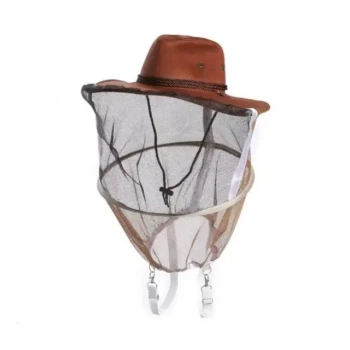
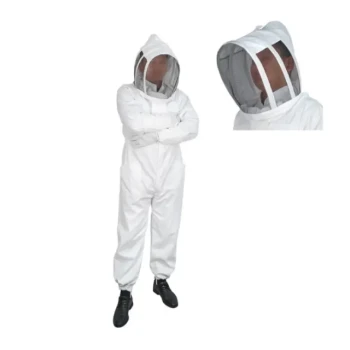
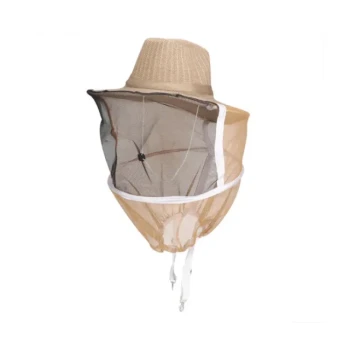
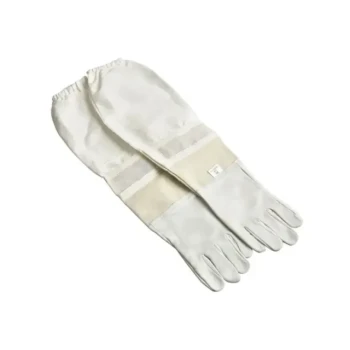
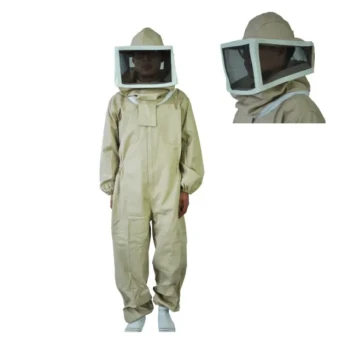
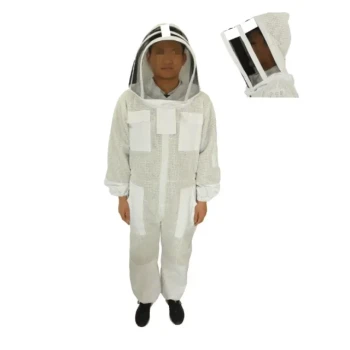
Full protective gear is essential because commercial beekeeping exposes workers to repeated sting hazards, and repeated exposure can lead to serious allergic reactions. Ventilated suits, bee jackets, veils, gloves, and securely sealed closures create a physical barrier between technicians and defensive bees during hive inspections, maintenance, pest checks, and honey harvesting. This protection reduces sting incidents, limits work interruptions, and supports safer, more consistent apiary operations.
Commercial apiary safety depends on treating protective clothing as essential personal protective equipment, not optional workwear. High-quality gear reduces exposure to venom while helping workers remain calm, precise, and productive around active colonies.
Why Sting Protection Is an Occupational Safety Requirement
Commercial beekeeping creates repeated exposure
Opening a hive, removing frames, inspecting brood, or harvesting honey can disturb a colony and trigger defensive behavior. Commercial technicians perform these tasks frequently, often across many colonies, so their cumulative exposure is substantially higher than that of occasional or hobbyist beekeepers.
Protective equipment provides a consistent safety baseline for every worker and every routine operation.
Venom reactions can be severe
Honeybee stings may cause localized pain, swelling, and inflammation. In susceptible individuals, they can also cause a systemic allergic reaction, including potentially life-threatening anaphylaxis.
The primary reference indicates that systemic allergic reactions affect approximately 1–4% of the general population, while nearly 31% of beekeepers experience systemic reactions. It also reports that 30–60% of beekeepers carry venom-specific IgE antibodies, indicating meaningful occupational exposure and sensitization risk.
Risk can increase with repeated stings
A worker who has tolerated previous stings is not guaranteed to remain safe. Repeated exposure can increase the risk of developing more severe allergic responses over time.
For this reason, employers should not base protective requirements on an individual worker’s past experience or perceived tolerance. A standardized full-gear policy protects both experienced technicians and new employees.
How Full Protective Gear Reduces Workplace Risk
Clothing limits venom exposure
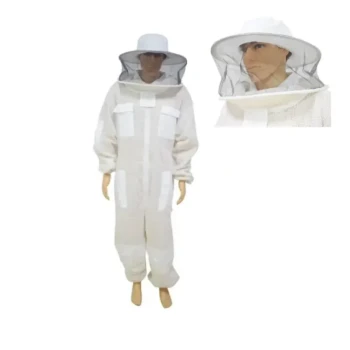
Protective suits and bee jackets cover the torso, arms, and legs with materials designed to make it more difficult for a bee’s stinger to reach the skin. Durable, puncture-resistant construction is particularly important in areas where fabric may press against the body.
The gear does not make stings impossible, but it can significantly reduce the likelihood and severity of direct exposure when properly selected and worn.
Veils protect a high-risk area
The face, neck, and head are especially vulnerable because they contain sensitive tissue and are difficult to protect quickly once bees become defensive. A properly fitted veil keeps bees away from these areas while preserving visibility and airflow.
Secure connections between the veil and jacket or suit are critical. Gaps at the neck or collar can undermine otherwise effective protection.
Gloves protect hands without eliminating dexterity
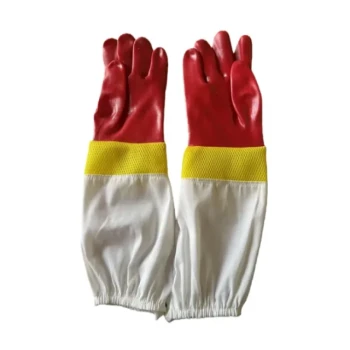
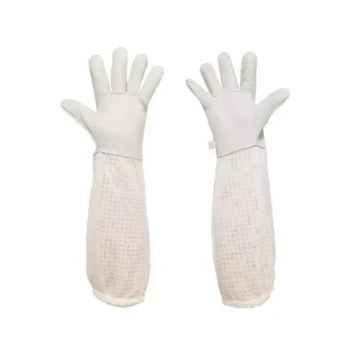
Hands are routinely placed near frames, hive bodies, tools, and bees. Protective gloves reduce the chance of stings during manipulation and handling.
However, excessively bulky gloves can reduce tactile control. Commercial operators should select gloves that balance sting resistance, durability, grip, and the dexterity required for delicate hive work.
Ventilation supports sustained performance
Heat and humidity can cause fatigue, distraction, and rushed movements. Ventilated suits and jackets improve airflow, helping workers remain comfortable and attentive during extended operations.
Comfort is therefore a safety factor, not merely a convenience. Protective equipment that workers cannot tolerate for a full shift is unlikely to provide reliable protection in practice.
Why Protection Improves Apiary Operations
Calm workers make fewer errors
Fear of stings can cause abrupt movements, poor frame handling, or premature withdrawal from a hive. These reactions may increase stress for both the worker and the colony.
Reliable protective clothing gives technicians greater confidence to work deliberately and maintain operational precision.
Fewer injuries mean fewer interruptions
Stings and allergic reactions can require first aid, medical evaluation, emergency response, or removal of a worker from duty. Preventing avoidable exposure helps reduce disruptions to inspection, maintenance, and harvesting schedules.
For commercial operators, this supports more predictable labor capacity and more consistent completion of time-sensitive apiary work.
Better access supports colony health
Workers who feel adequately protected are more able to inspect colonies thoroughly and regularly. This supports the identification and management of pests, diseases, queen issues, and other colony problems.
Without adequate protection, workers may avoid difficult colonies or shorten inspections, increasing the risk that important problems go unnoticed.
What High-Quality Gear Should Provide
Full-body coverage
A commercial kit should normally include a protective suit or jacket, veil, gloves, and appropriate footwear or leg protection. The exact configuration may vary by task and climate, but exposed skin should be minimized.
A full set is more reliable than allowing workers to assemble inconsistent combinations of personal clothing and individual protective items.
Secure closures and minimal gaps
Zippers, elastic cuffs, collar seals, and veil attachments should fit securely and remain closed during movement. Seamless or reinforced connections are valuable because small openings can become entry points for bees.
Fit should be checked across different body sizes and work positions, including bending, reaching, and lifting hive components.
Durable, maintainable materials
Protective clothing should withstand frequent use, washing, transport, and exposure to apiary conditions. Weak fabric, damaged mesh, failing zippers, or stretched elastic can compromise protection before the equipment appears visibly unusable.
Distributors and commercial buyers should evaluate product durability, replacement-part availability, sizing consistency, and supplier responsiveness alongside the initial purchase price.
Reliable procurement and fulfillment
Commercial apiaries may need equipment for permanent staff, seasonal workers, replacement stock, and rapid deployment after damage or contamination. A supplier with a broad product portfolio can simplify sourcing across suits, jackets, veils, gloves, and related protective equipment.
Fast order processing and dependable delivery are operational requirements when protective equipment is damaged, lost, or needed for an expanding workforce.
Understanding the Trade-offs
Protection is not absolute
Protective gear reduces sting risk but does not eliminate it. Bees may sting through poorly fitted or worn materials, and exposed areas can remain vulnerable if closures are open or gloves and veils are incorrectly worn.
Workers still need training in colony behavior, hive-opening procedures, equipment inspection, and emergency response.
Heat can affect compliance
Non-ventilated clothing may become uncomfortable in warm conditions, increasing the likelihood that workers remove or loosen protective equipment. Selecting breathable, climate-appropriate gear can improve consistent use.
Employers should also schedule demanding work appropriately, provide hydration and rest opportunities, and monitor workers for heat-related problems.
Gloves involve a dexterity compromise
Thicker gloves generally provide greater physical protection, but they can make it harder to manipulate frames and tools. The correct choice depends on the task, colony defensiveness, worker experience, and required precision.
Some operations may use different glove specifications for different duties, provided the safety policy clearly defines when each type is appropriate.
Gear must be inspected and replaced
A protective suit with a torn seam or damaged veil may provide false confidence. Before each shift, workers should check fabric, mesh, zippers, cuffs, closures, and glove condition.
Replacement criteria should be documented so that damaged equipment is removed from service rather than kept in circulation.
Allergy controls remain necessary
Protective clothing cannot replace a workplace allergy-management plan. Commercial apiaries should have procedures for reporting known allergies, accessing first-aid supplies, contacting emergency services, and responding promptly to suspected systemic reactions.
Workers with known venom allergies should receive appropriate medical guidance, and the employer should ensure that emergency procedures are understood by the team.
Making the Right Choice for Your Goal
Full protective gear should be selected as part of a broader occupational health and safety system.
- If your primary focus is worker safety: Require properly fitted suits or jackets, veils, gloves, and secure closures for all routine work around active colonies.
- If your primary focus is operational continuity: Choose durable, comfortable equipment that reduces sting-related interruptions and remains practical during long shifts.
- If your primary focus is colony management: Equip workers well enough to conduct complete inspections, pest checks, disease monitoring, and harvesting procedures without avoidable hesitation.
- If your primary focus is commercial sourcing: Work with a responsive supplier that can provide a full protective-equipment range, consistent sizing, replacement stock, and rapid fulfillment.
- If your primary focus is risk management: Combine protective clothing with training, equipment inspections, safe hive-handling procedures, and a documented emergency response plan.
For commercial apiaries, high-quality protective gear is a core control for venom exposure that protects workers while sustaining reliable, professional colony management.
Summary Table:
| Benefit | Impact on Occupational Health & Safety |
|---|---|
| Sting Prevention | Reduces frequency and severity of stings, especially for repeated exposure. |
| Allergy Mitigation | Lowers risk of systemic reactions; 31% of beekeepers experience them. |
| Full-Body Coverage | Protects vulnerable areas (torso, limbs, face, hands) with secure closures. |
| Enhanced Visibility | Veils keep bees away from face while maintaining clear vision. |
| Improved Comfort | Ventilated suits reduce heat stress, supporting longer, focused work. |
| Operational Continuity | Fewer sting interruptions leads to consistent apiary management. |
| Colony Health | Confident workers conduct thorough inspections, aiding pest/disease detection. |
| Risk Management | Combined with training and emergency plans, creates a safer workplace. |
Protect Your Team with Premium Beekeeping Gear
Equip your apiary with HONESTBEE’s high-quality protective suits, jackets, veils, and gloves. Our comprehensive product portfolio ensures you get durable, comfortable, and reliable protection for every worker. As a trusted supplier for commercial apiaries and distributors, we offer rapid response, fast delivery, and dedicated support to keep your operations running smoothly.
Contact us today to discuss your protective gear needs and discover how we can enhance safety and efficiency in your apiary.
Related Products
- Premium Cowboy Beekeeper Hat with Visibility Veil Outdoor Professional Beekeeping Protective Gear
- Premium Cotton Beekeeper Suit with Reinforced Fencing Veil
- White Cotton Beekeeping Jacket and Veil for Bee Keepers
- Beekeeping Jacket with Hood and Veil for Beekeepers
- Beekeeper Cowboy Hat and Veil for Beekeeping
People Also Ask
- What design features contribute to the stability and fit of the beekeeper hat? Key Features for Maximum Hive Safety
- How is the beekeeper hat designed for comfort and practicality? Explore Key Features for Enhanced Apiary Safety
- What is the general protective gear recommendation for new beekeepers? Your Essential Beginner's Safety Guide
- How does beekeeping protective gear facilitate the queen bee selection process? Enhancing Precision in Queen Breeding
- What should beekeepers consider when choosing protective gear? A Guide for Maximum Safety & Comfort