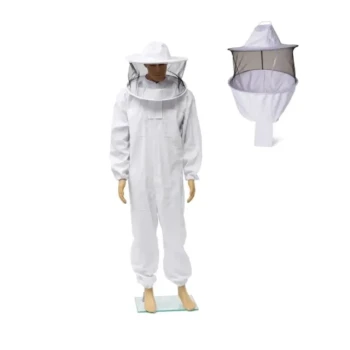
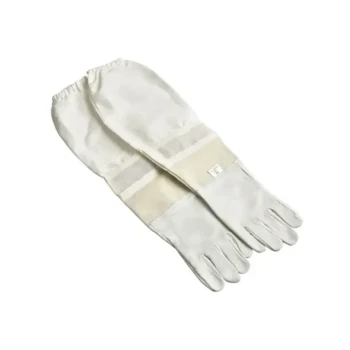
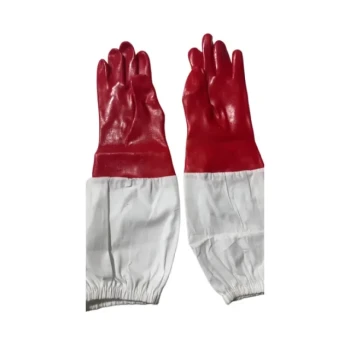
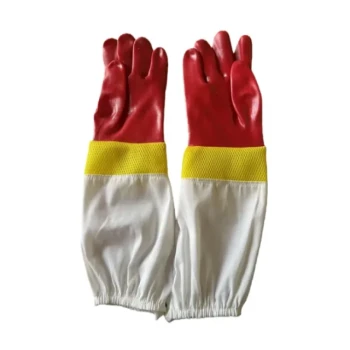
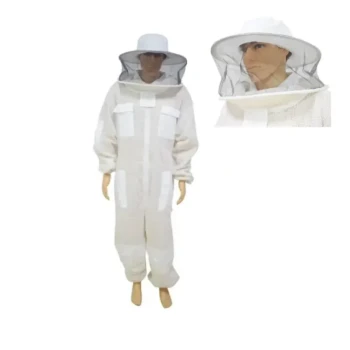
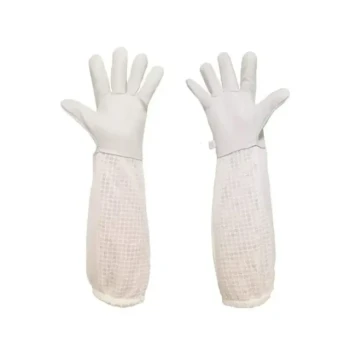
High-quality beekeeping protective clothing serves as the critical enabler for rural apiculture by directly neutralizing the primary barrier to entry: the fear of stings. By providing a reliable physical barrier, this equipment builds the necessary confidence for community members to engage in beekeeping, transforming it from a perceived danger into a viable, accessible livelihood.
High-quality protective gear does more than ensure safety; it democratizes the industry. By removing the psychological fear of injury, it empowers underrepresented groups like women and youth to participate, directly leading to better hive management and increased honey production.
The Psychology of Adoption
Eliminating the Primary Obstacle
For many rural communities, the physical threat of stings is the single largest deterrent to starting an apiary. High-quality clothing acts as a comprehensive physical shield, utilizing high-strength fabrics to render the operator virtually sting-proof.
This safety assurance is fundamental. Without it, the fear of pain or allergic reactions outweighs the potential economic benefits, preventing the industry from taking root.
Broadening the Demographic
When safety is guaranteed, the pool of potential beekeepers expands significantly. The primary reference highlights that effective protective gear specifically encourages the participation of women and youth.
By making the work environment safer and less intimidating, apiculture shifts from being a niche, high-risk activity to a community-wide economic driver.
Operational Impact on Productivity
Enabling Frequent Maintenance
Fear often leads to neglect; if a beekeeper is afraid to open the hive, they will not perform necessary maintenance. With professional-grade gear, operators can perform hive inspections more frequently and without hesitation.
This consistent attention is vital for colony health. It allows for the timely identification of diseases, swarm control, and better resource management.
Shifting from Destructive to Precision Beekeeping
Without protection, harvesting can be a rushed, chaotic, and often destructive process. Secure protective clothing allows technicians to work calmly and accurately during complex colony inspections.
This creates a shift toward professional workflows. Beekeepers can perform delicate harvesting tasks that preserve the colony structure rather than using "rob and run" tactics that damage the hive and reduce long-term yields.
Understanding the Trade-offs
The Cost vs. Quality Dilemma
While high-quality gear is essential for confidence, it represents a significant upfront investment for rural farmers. Cheaper alternatives often lack breathable fabrics or structural integrity, leading to stings that can re-instill fear and cause abandonment of the project.
Comfort and Heat Management
Even professional-grade gear introduces physical constraints. While modern suits utilize mesh and breathable materials, working in full coveralls in hot rural climates can lead to heat stress. Balancing the need for a sting-proof barrier with the physical endurance required for labor in high temperatures remains a logistical challenge.
Making the Right Choice for Your Goal
To successfully increase apiculture adoption, the equipment strategy must align with the community's specific barriers.
- If your primary focus is increasing community participation: Prioritize gear with the highest safety ratings to aggressively combat the fear of stings and onboard women and youth.
- If your primary focus is maximizing honey yield: Focus on ergonomic gear that allows for dexterity and comfort, enabling beekeepers to perform longer, more detailed inspections without fatigue.
Investment in high-quality protection is not merely an expense; it is the infrastructure required to turn a hazardous task into a sustainable profession.
Summary Table:
| Key Factor | Impact on Rural Adoption | Long-term Benefit |
|---|---|---|
| Sting Prevention | Neutralizes the fear of injury and allergic reactions | Builds confidence for beginners to start apiaries |
| Demographic Inclusion | Encourages participation of women and youth | Diversifies and expands the local economic base |
| Professional Workflow | Allows for calm, precise, and non-destructive harvesting | Increases honey yields and preserves colony health |
| Maintenance Frequency | Enables regular hive inspections without hesitation | Improved disease control and swarm management |
| Fabric Engineering | Balances sting protection with heat-mesh breathability | Reduces heat stress for laborers in hot climates |
Scaling Your Beekeeping Operations with HONESTBEE
At HONESTBEE, we understand that high-quality protective gear is the foundation of a successful and inclusive apiary. As a premier provider for commercial apiaries and distributors, we offer a comprehensive wholesale range of beekeeping tools, machinery, and safety equipment designed to withstand the rigors of professional use.
Whether you are looking to equip a large-scale project with sting-proof suits or seeking specialized honey-filling machines and hardware, HONESTBEE provides the industrial-grade solutions you need to maximize yields and ensure operator safety.
Ready to elevate your beekeeping business? Contact our team today to explore our wholesale catalog and discover how we can support your growth with reliable equipment and industry expertise.
References
- Katie D. Ricketts, Charlie M. Shackleton. Integrating livelihoods and forest conservation through beekeeping in northern KwaZulu-Natal. DOI: 10.1080/0376835x.2019.1698408
This article is also based on technical information from HonestBee Knowledge Base .
Related Products
- White Cotton Beekeeping Jacket and Veil for Bee Keepers
- Beekeeping Jacket with Hood and Veil for Beekeepers
- Premium Cotton Beekeeper Suit with Reinforced Fencing Veil
- Beekeeper Cowboy Hat and Veil for Beekeeping
- Beekeeping Gloves Goatskin Leather with Long Cotton Sleeve for Beekeepers
People Also Ask
- What are the features of an economical beekeeping jacket? Essential Protection for Budget-Conscious Beekeepers
- What are the pros of using a beekeeping jacket? Unlock Superior Comfort and Mobility for Your Apiary
- What factors should a new beekeeper consider when choosing between a jacket and a full suit? Security vs. Comfort
- What are the advantages of a beekeeping jacket? Superior Mobility & Comfort for Routine Hive Inspections
- When is a beekeeping jacket considered a more suitable choice than a full suit? Optimize Your Apiary Mobility