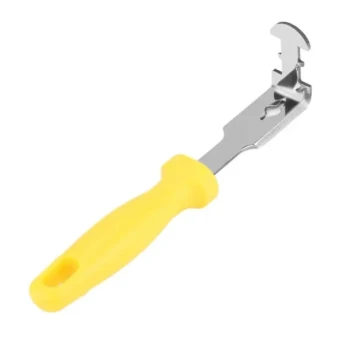
High-quality fiberglass is the superior choice for propolis collectors due to its unique balance of chemical durability and biological neutrality. It offers exceptional resistance to the acidic, corrosive environment inside a hive, outperforming metals like aluminum or steel. Crucially, it is lightweight, easily shaped into precise structures, and virtually odorless, preventing disruption to bee behavior and ensuring product purity.
Commercial beekeeping demands materials that can withstand a complex biochemical environment without altering it. High-quality fiberglass allows for precise manufacturing and acid resistance while remaining odorless, ensuring that neither the colony's behavior nor the propolis purity is compromised.
Durability in a Biochemical Environment
Withstanding Acid and Corrosion
The interior of a beehive is a chemically active environment. High-quality fiberglass offers exceptional resistance to the complex acids and biochemicals found within the colony. Unlike many other substrates, it does not degrade or corrode when exposed to these harsh conditions over time.
Advantages Over Metal Alternatives
Traditional materials like steel or aluminum often struggle in this specific application. Fiberglass provides a robust alternative that is significantly lightweight compared to these metals. This makes the collectors easier to handle and manage during routine hive inspections and harvesting.
Ensuring Purity and Colony Health
The Importance of Odor Neutrality
Honeybees rely heavily on scent for communication and hive management. A critical advantage of high-quality fiberglass is that it is virtually odorless. This neutrality prevents the collector from interfering with natural bee behavior, which is essential for maintaining a stress-free colony.
Protecting Propolis Yields
Because the material does not introduce foreign scents, the bees are not repelled or confused by the collector. This ensures that the purity of the collected propolis is maintained. It also helps maximize the overall yield, as the bees interact with the substrate naturally rather than avoiding it.
Precision in Manufacturing
Fiberglass is highly adaptable during the production process. It is easy to manufacture into precise structures, allowing for the creation of collectors that fit perfectly within the hive architecture. This precision ensures efficient collection without wasting space or creating gaps that bees might propolize incorrectly.
Understanding the Trade-offs
The Risks of Reactive Materials
While fiberglass is ideal, understanding why alternatives fail is important for making informed decisions. Using reactive materials like aluminum or steel involves a significant trade-off regarding chemical stability. These metals are susceptible to corrosion from hive acidity, which can eventually contaminate the harvest and degrade the equipment.
Weight vs. Durability
In many industrial applications, steel is chosen for its ultimate strength, but in beekeeping, that weight is a liability. The trade-off in avoiding fiberglass is dealing with heavier, more cumbersome equipment. Fiberglass strikes the necessary balance, offering sufficient structural integrity without the operational burden of heavy metal components.
Making the Right Choice for Your Operation
Selecting the correct substrate is about balancing equipment longevity with the biological needs of the hive.
- If your primary focus is product purity: Choose high-quality fiberglass to ensure no foreign odors leach into the propolis or disrupt colony pheromones.
- If your primary focus is equipment longevity: Rely on fiberglass for its ability to resist acid corrosion better than standard metal alternatives.
By utilizing high-quality fiberglass, you align your equipment standards with the delicate biological requirements of the honeybee, ensuring a cleaner harvest and a healthier hive.
Summary Table:
| Feature | High-Quality Fiberglass | Metal Alternatives (Steel/Aluminum) |
|---|---|---|
| Chemical Stability | Highly resistant to hive acids | Susceptible to corrosion and leaching |
| Odor Profile | Virtually odorless (neutral) | Can emit metallic scents |
| Weight | Lightweight for easy handling | Heavy and cumbersome |
| Precision | Easily shaped for perfect fit | Difficult to manufacture with fine detail |
| Impact on Purity | Ensures maximum propolis purity | Potential for contamination |
Maximize Your Propolis Yield with HONESTBEE
At HONESTBEE, we understand that commercial success in beekeeping requires professional-grade equipment that respects colony biology. As a leading partner to commercial apiaries and global distributors, we provide a full spectrum of wholesale solutions—from precision-engineered beekeeping tools and hive-making machinery to essential industry consumables.
Our high-quality fiberglass components ensure your harvest remains pure and your operations efficient. Whether you are scaling your honey-filling capacity or sourcing specialized hardware, our expert team is ready to support your growth.
Ready to elevate your apiary's performance?
References
- Budiaman Budiaman, Arief Rahman. UJI EFEKTIVITAS EMPAT VARIASI PROPOLIS TRAP TERHADAP PRODUKSI PROPOLIS LEBAH MADU Apis mellifera L.. DOI: 10.24259/perennial.v2i2.154
This article is also based on technical information from HonestBee Knowledge Base .
Related Products
- 8 Frame and 10 Frame Propolis Trap Collector Screen for Propolis Collection
- 30 cm Plastic Entrance Hole Bee Pollen Trap and Collector
- Plastic Bee Pollen Trap Strips Comb Catcher Collector
- Heavy Duty Stainless Steel Frame Cleaner with Plastic Handle
People Also Ask
- Why is a specific wooden frame required when installing a propolis screen? Optimize Your Propolis Harvest Efficiency
- What are the advantages of using propolis collector screens? Elevate Your Harvest to Pharmaceutical Purity
- How do propolis collection screens work? Discover material specs for commercial harvesting equipment
- How does the mesh size of a propolis collection screen influence the efficiency of propolis harvesting? Optimize Yields!
- How do commercial-grade plastic screens compare to custom fine-mesh screens? Maximize Your Propolis Yield & ROI