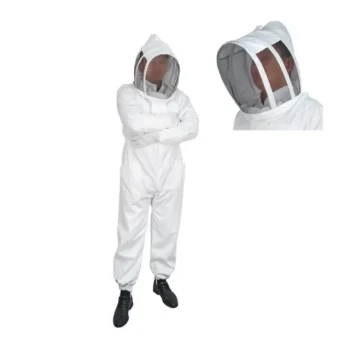
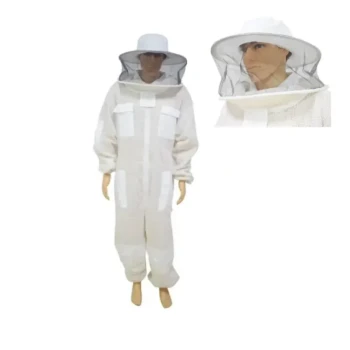
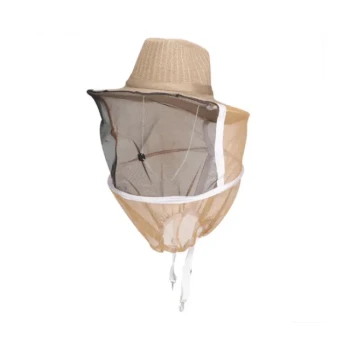
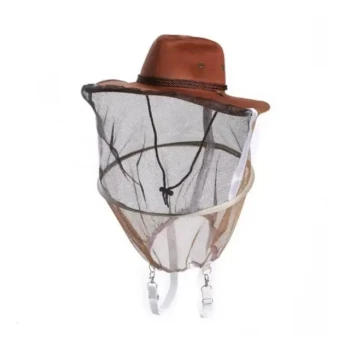
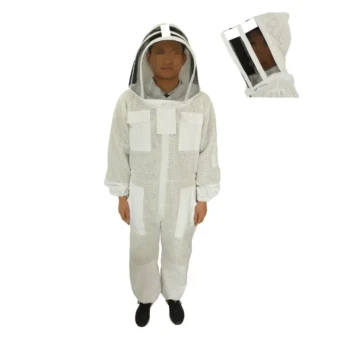
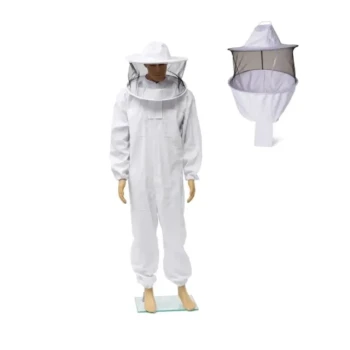
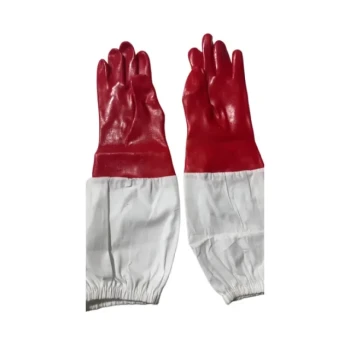
High-quality protective bee clothing is the fundamental enabler of continuous, efficient apiary operations. By utilizing professional puncture-resistant materials and rigorous sealing designs, these garments eliminate the sting risks that cause costly work stoppages. This physical security allows beekeepers to maintain the psychological focus required for precise hive management, directly translating to smoother workflows and higher productivity.
Core Takeaway While basic gear offers simple coverage, professional-grade clothing transforms safety into a production asset. By removing the fear of injury and biological risks, it enables operators to perform complex tasks with greater speed, precision, and consistency.
The Physical Architecture of Safety
To understand the efficiency gains, one must first look at the engineering behind professional gear. It is not merely a uniform; it is a piece of industrial safety equipment.
Puncture-Resistant Materials
High-quality clothing is manufactured with specialized professional fabrics designed to resist penetration. This robust barrier is essential for blocking biological risks, specifically the toxins found in bee stings.
By relying on puncture-resistant materials, operators can work closely with aggressive colonies without the immediate threat of injury.
Rigorous Sealing Designs
The structural integrity of the suit is just as critical as the fabric itself. Superior gear features seamless connections, particularly between the veil and the garment.
This eliminates the "weak links" found in lower-quality gear where bees often breach defenses. A sealed environment prevents the panic and disruption caused by a bee entering the suit.
Operational Impact: From Psychology to Precision
The primary value of high-quality protection lies in how it changes the operator's behavior. Safety directly influences the speed and quality of work.
Maintaining Psychological Stability
Fear is the enemy of efficiency. Reliable protection allows beekeepers to maintain psychological stability even when hives are agitated.
When the operator is confident in their safety, they are less likely to react jerkily or retreat. This calmness prevents the triggering of further defensive behavior in the bees, keeping the colony manageable.
Enabling Operational Precision
With anxiety removed, beekeepers can focus on operational precision. Complex procedures, such as queen identification or grafting, require steady hands and undivided attention.
High-quality gear allows for detailed hive inspections and precise harvesting. This avoids the use of destructive methods often employed by rushed or fearful operators, ultimately preserving colony health.
Ensuring Workflow Continuity
In a commercial setting, time is a tangible resource. Protective clothing safeguards the workflow just as much as it safeguards the worker.
Preventing Work Interruptions
Injuries are the most common cause of downtime. A single sting can force a pause in work; multiple stings can end a shift entirely.
By preventing these injuries, high-quality clothing ensures the smooth completion of daily tasks. It allows for extended periods of work without the need to retreat and recover.
Hygiene and Contamination Control
Professional gear also serves a biosecurity function. Clean, well-maintained clothing acts as a barrier against contaminants.
This prevents the introduction of external dirt or pathogens into the hive. Maintaining this hygienic environment protects honey quality and reduces the time spent managing disease outbreaks later.
Understanding the Trade-offs
While high-quality protective gear is essential, it introduces specific challenges that must be managed to maintain peak efficiency.
Heat Management
The dense, puncture-resistant fabrics required for maximum safety often retain body heat. In hot climates, this can lead to operator fatigue or heat exhaustion.
Beekeepers must balance protection with ventilation or implement strict hydration and break schedules to maintain performance.
Dexterity vs. Protection
There is often an inverse relationship between the thickness of the material and fine motor control.
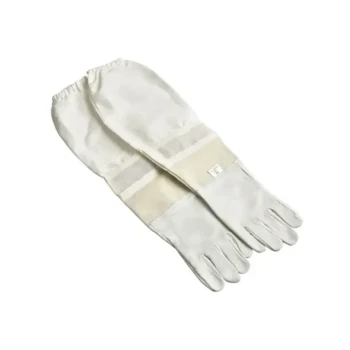
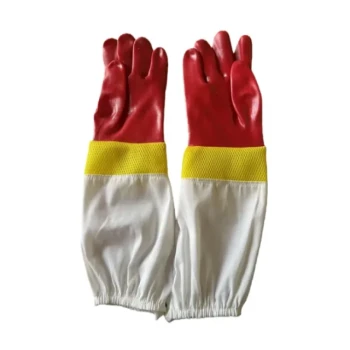
Extremely heavy-duty gloves may prevent stings but can make handling queen cages or delicate frames difficult. Operators must choose gear that offers the right balance of protection and flexibility for their specific tasks.
Maintenance and Longevity
High-performance gear is an investment that requires care. Over time, suits can accumulate alarm pheromones that actually trigger bee aggression.
To prolong the life of the gear and maintain a calm apiary, protective wear must be washed periodically. Neglecting this maintenance reduces the gear's effectiveness and the operator's safety.
Making the Right Choice for Your Goals
Selecting the right protective clothing depends on the specific operational bottlenecks you are trying to solve.
- If your primary focus is Speed and Volume: Prioritize suits with seamless veil connections and maximum puncture resistance to ensure zero downtime during rapid harvesting.
- If your primary focus is Breeding and Genetics: Look for gear that balances protection with ergonomic design and glove dexterity, allowing for the precise manipulation of larvae and queens.
Investing in superior protection is not just a safety expense; it is a strategic decision that stabilizes your workforce and secures your production targets.
Summary Table:
| Feature | Impact on Operational Efficiency |
|---|---|
| Puncture-Resistant Fabrics | Eliminates sting-related work stoppages and biological risks. |
| Rigorous Sealing Designs | Prevents bee breaches, maintaining operator focus and calm. |
| Ergonomic Flexibility | Enables precision tasks like queen grafting and hive inspection. |
| Psychological Stability | Reduces operator anxiety, leading to faster and steadier workflows. |
| Biosecurity Barrier | Protects honey quality by preventing external contamination. |
Maximize Your Apiary Productivity with HONESTBEE
High-quality protective gear is more than safety—it's a production asset. At HONESTBEE, we specialize in empowering commercial apiaries and distributors with the tools they need to scale. From puncture-resistant suits that ensure workflow continuity to advanced beekeeping machinery and hive-making equipment, our comprehensive wholesale portfolio is designed for industrial-grade performance.
Ready to equip your team with the industry's most reliable gear? Contact us today to explore our wholesale solutions and discover how our specialized hardware and consumables can secure your production targets.
References
- Nicholaus Bhikolimana Tutuba, Wim Vanhaverbeke. Beekeeping in Tanzania: why is beekeeping not commercially viable in Mvomero?. DOI: 10.21825/af.v31i1.9047
This article is also based on technical information from HonestBee Knowledge Base .
Related Products
- White Cotton Beekeeping Jacket and Veil for Bee Keepers
- Premium Cotton Beekeeper Suit with Reinforced Fencing Veil
- Professional Beekeeping Suit for Kids and Girls Childrens Bee Keeper Suit
- Beekeeping Jacket with Hood and Veil for Beekeepers
- Premium Three Layer Ventilated Bee Suit with Round Veil
People Also Ask
- What are the features of an economical beekeeping jacket? Essential Protection for Budget-Conscious Beekeepers
- What are the pros of using a beekeeping jacket? Unlock Superior Comfort and Mobility for Your Apiary
- What factors should a new beekeeper consider when choosing between a jacket and a full suit? Security vs. Comfort
- What are the advantages of a beekeeping jacket? Superior Mobility & Comfort for Routine Hive Inspections
- When is a beekeeping jacket considered a more suitable choice than a full suit? Optimize Your Apiary Mobility