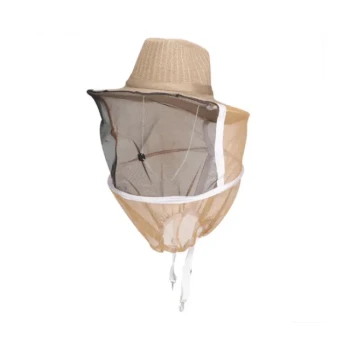
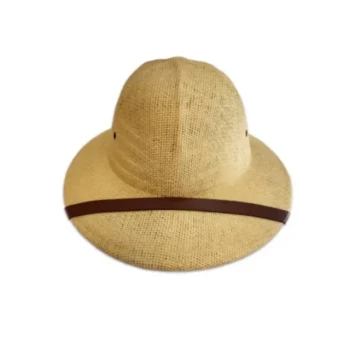
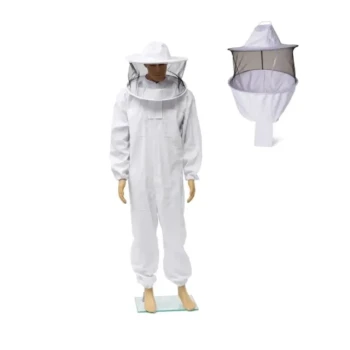
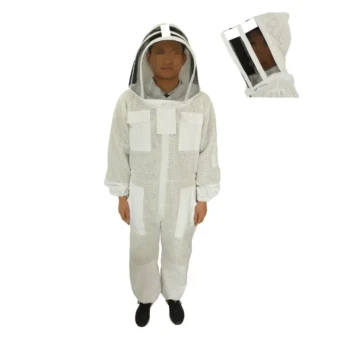
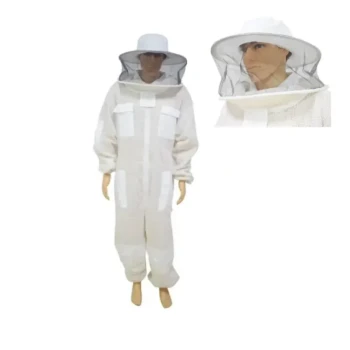
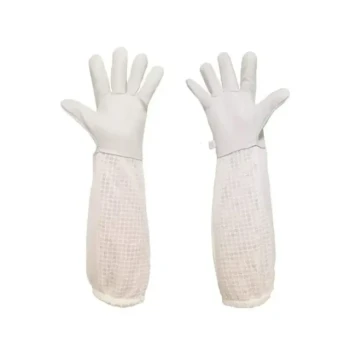
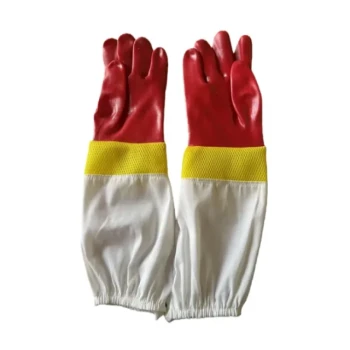
Protective headgear is the primary defense against debilitating injuries during hive inspections. The helmet and veil create a critical physical barrier that shields the most vulnerable parts of the human body—specifically the eyes and lips—from stings that are not only exceptionally painful but can effectively incapacitate a beekeeper during delicate operations.
Key Takeaway: Beyond preventing pain, head protection is essential for maintaining control. It buffers the beekeeper against the unpredictability of the colony, ensuring that sudden agitation does not lead to panic, dropped frames, or compromised stewardship.
The Anatomy of Risk
Protecting Sensitive Zones
The head contains areas of extreme sensitivity that require absolute protection. Stings near the eyes or lips are significantly more painful and dangerous than stings on the hands or arms.
A sting in these regions can cause severe swelling that impairs vision or speech. The helmet and veil function as a non-negotiable shield to prevent these specific, high-consequence injuries.
The Unpredictability Factor
Even colonies that are historically peaceful can exhibit sudden aggression. Environmental factors usually outside the beekeeper's control can cause unexpected agitation.
Because you cannot predict the exact temperament of the hive on any given day, wearing head protection is a necessary precaution against volatile behavior triggered by weather or external disturbances.
The Impact on Hive Stewardship
Enabling Calm Operations
Professional protective clothing allows the beekeeper to remain calm. When the fear of a facial sting is removed, the operator can focus entirely on the mechanics of the inspection.
This psychological security leads to more accurate movements. It allows for precise tasks, such as assessing the queen or separating propolized frames, to be performed without rushing.
Reducing Defensive Triggers
Sudden movements caused by a beekeeper reacting to a bee buzzing near their face can alarm the colony. By utilizing a veil, you eliminate the flinch response.
This helps maintain a smooth workflow, which is critical because minimizing disturbance prevents the release of alarm pheromones that would otherwise escalate the colony's defensive instincts.
Understanding Equipment Trade-offs
Integrated Units vs. Separate Components
Beekeepers must choose between integrated one-piece units or separate helmets and veils.
Integrated units offer superior sealing, minimizing the chance of bees finding a gap, but they may be hotter and less flexible. Separate units allow for gear to be swapped out easily to suit different environments but require careful attention to ensure a proper seal around the neck.
Material Considerations
While protection is key, the visibility and breathability of the veil material matter.
Garments are typically designed with white, smooth materials to avoid mimicking natural predators (like bears or skunks), which triggers aggression. Dark or textured fabrics should be avoided near the hive, as they can provoke the very attack you are trying to prevent.
Making the Right Choice for Your Goal
To select the appropriate headgear strategy, assess your specific operational needs:
- If your primary focus is Maximum Safety: Opt for an integrated one-piece suit and veil to ensure a complete seal and eliminate the risk of bees entering through gaps.
- If your primary focus is Flexibility: Choose a separate helmet and veil combination, which allows you to adjust your gear based on changing environmental factors or the specific task at hand.
Ultimately, the veil is not just personal protection; it is a tool that grants you the composure required to be a competent steward of the colony.
Summary Table:
| Feature | Protection Benefit | Operational Impact |
|---|---|---|
| Physical Barrier | Shields eyes, lips, and face from painful stings | Prevents incapacitation and loss of vision during work |
| Psychological Shield | Reduces flinch response and fear of facial attacks | Enables calm, precise movements and better queen assessment |
| Material Design | White, smooth fabrics avoid triggering predator instincts | Minimizes colony agitation and alarm pheromone release |
| Integrated Units | Provides a seamless seal against bee entry | Maximum safety for high-intensity or aggressive colony tasks |
| Separate Gear | Offers better breathability and modular flexibility | Allows for easy adjustment based on weather or specific environment |
Elevate Your Apiary Safety with HONESTBEE Professional Gear
Protect your workforce and ensure seamless hive operations with high-quality protective equipment. HONESTBEE caters to commercial apiaries and distributors with a comprehensive wholesale offering designed for the rigors of industrial beekeeping.
From advanced helmets and veils that ensure maximum visibility and safety to high-capacity honey-filling machines and hive-making hardware, we supply the full spectrum of tools your business needs to thrive. Partner with us to access professional-grade consumables and specialized machinery that enhance efficiency and safety across your entire operation.
Ready to scale your production? Contact HONESTBEE Today for Wholesale Inquiries
Related Products
- White Cotton Beekeeping Jacket and Veil for Bee Keepers
- Beekeeper Cowboy Hat and Veil for Beekeeping
- Rigid Pith Style Beekeeper Hat for Square Folding Veils
- Beekeeping Jacket with Hood and Veil for Beekeepers
- Premium Cowboy Beekeeper Hat with Visibility Veil Outdoor Professional Beekeeping Protective Gear
People Also Ask
- What are the features of an economical beekeeping jacket? Essential Protection for Budget-Conscious Beekeepers
- What are the pros of using a beekeeping jacket? Unlock Superior Comfort and Mobility for Your Apiary
- What factors should a new beekeeper consider when choosing between a jacket and a full suit? Security vs. Comfort
- What are the advantages of a beekeeping jacket? Superior Mobility & Comfort for Routine Hive Inspections
- When is a beekeeping jacket considered a more suitable choice than a full suit? Optimize Your Apiary Mobility