Efficient bee removal is fundamentally a race against the scent of the harvest. When you expose honey frames, the intense aroma acts as a powerful lure, immediately attracting bees back to the supers you are trying to clear. Removing bees quickly and having your equipment prepped in advance is the only way to minimize this attraction and maintain a controlled, safe environment.
Efficient removal is necessary to neutralize the bees' natural instinct to reclaim their stores. By outpacing the attraction of the honey's scent, you prevent re-infestation, ensure operator safety, and protect the purity of the final product.
The Mechanics of Attraction and Control
Managing the Scent Factor
The primary driver for efficient removal is the intense smell of exposed honey. Once frames are removed or opened, the scent permeates the air, signaling the colony to investigate and reclaim the resource.
Preventing Re-infestation
If the removal process is slow, bees will return to the frames in large numbers. Speed effectively breaks this cycle, allowing the beekeeper to secure the honey supers before the colony can mobilize a return effort.
Maintaining a Controlled Environment
A lingering, slow harvest invites chaos. By clearing supers efficiently, you reduce the window of opportunity for robbing behavior, where bees from other hives or the same colony attempt to steal the exposed honey.
Ensuring Product Purity and Colony Welfare
Preserving Honey Purity
Efficient removal prevents "stragglers" from entering the extraction phase. Methods like escape boards or specialized bee brushes ensure that bees are separated from the honey without being crushed, which keeps the harvest free of impurities.
Protecting the Honeycomb
Using the correct tools, such as soft-bristled brushes, allows for the removal of bees without damaging the wax structure. This preserves the integrity of the honeycomb for future use and prevents honey from leaking prematurely.
Reducing Colony Stress
Prolonged harvesting disrupts the hive and triggers defense mechanisms. Quick removal minimizes the time the hive is open, reducing the overall stress load on the colony and preventing casualties.
Risks and Trade-offs in Removal Methods
The Risk of Aggressive Removal
While speed is vital, rushing the process with rough handling can be counterproductive. Aggressive brushing or shaking can injure bees and release alarm pheromones, triggering a defensive attack rather than a retreat.
Chemical vs. Mechanical Trade-offs
Using fume boards (repellents) is fast but relies on chemical scents that some beekeepers prefer to avoid. Conversely, mechanical methods like escape boards are chemical-free but require a longer wait time (usually overnight) to function effectively.
Impact on Honey Quality
Inefficiency does not just affect the bees; it affects the product. In high-volume harvests, delays in processing can lead to unwanted changes in the honey's physicochemical properties, potentially altering its flavor profile.
Optimizing Your Harvest Strategy
To achieve the best results, match your removal method to your specific priorities.
- If your primary focus is Purity: Prioritize escape boards or gentle bee brushes, as these maximize separation without introducing repellents or risking bee debris in the honey.
- If your primary focus is Safety: Utilize a bee smoker to mask alarm pheromones and escape boards to minimize direct contact with the colony during removal.
- If your primary focus is Speed: Implement fume boards to drive bees down quickly, allowing for the rapid processing of large batches to preserve sensory qualities.
Efficiency in the apiary is not just about saving time; it is about respecting the biology of the bee and the quality of the harvest.
Summary Table:
| Factor | Impact of Efficient Removal | Risk of Inefficiency |
|---|---|---|
| Honey Purity | Keeps harvest free of bee debris & impurities | High risk of stragglers & crushed bees in extraction |
| Colony Welfare | Minimizes stress and reduces alarm pheromones | Triggers defensive attacks and high bee casualties |
| Harvest Control | Prevents robbing behavior and re-infestation | Scent of honey lures bees back to reclaim stores |
| Comb Integrity | Protects wax structures from damage | Damage to honeycomb leads to leaking and mess |
| Operational Speed | Maintains honey's sensory & chemical properties | Delays can alter flavor profiles and slow processing |
Maximize Your Harvest Efficiency with HONESTBEE
At HONESTBEE, we understand that a successful honey harvest depends on the right tools and timing. We specialize in supporting commercial apiaries and distributors with a full spectrum of professional-grade beekeeping equipment. From precision honey-filling machines to durable hive-making hardware and essential consumables, our portfolio is designed to enhance your operational productivity.
Whether you are scaling your extraction line or sourcing high-quality beekeeping tools for wholesale, we provide the expertise and machinery to ensure your honey remains pure and your colony stays healthy. Partner with HONESTBEE today—Contact us to explore our wholesale solutions!
Related Products
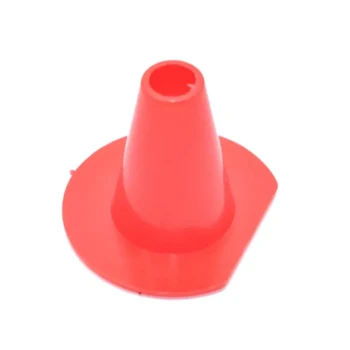
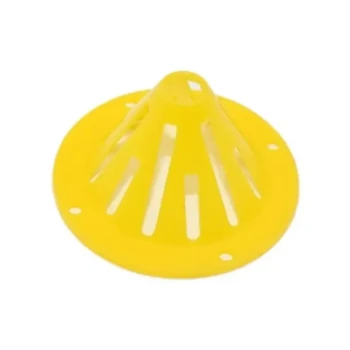
- Professional Cone Style Bee Escape for Efficient Honey Harvesting
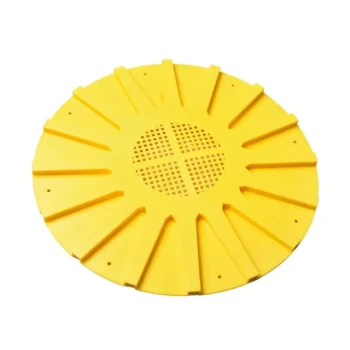
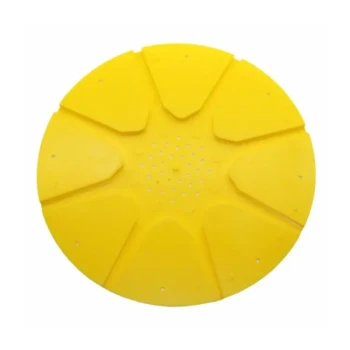
- Durable 16 Way Circular Bee Escape for Efficient Honey Harvesting
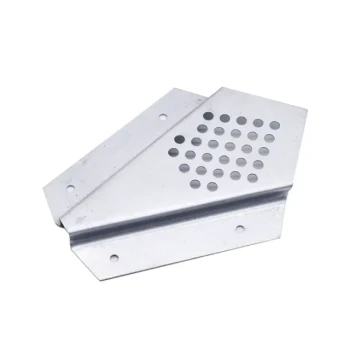
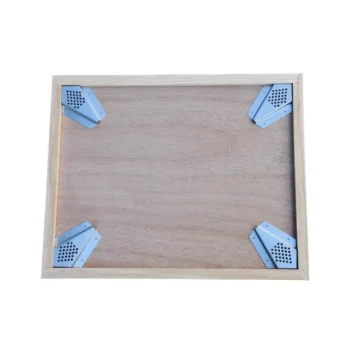
- Heavy Duty Metal Corner Bee Escape for Reliable Hive Clearing
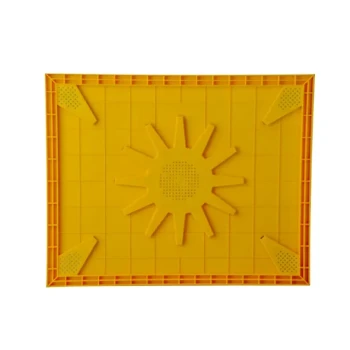
- HONESTBEE Wooden Bee Escape Board with Triangle Mesh Design for Beekeeping
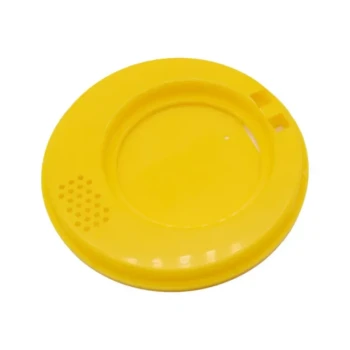
- Circular Labyrinth Bee Escape for Efficient Hive Management
People Also Ask
- What is the primary function of a bee escape? Simplify Your Honey Harvest with Stress-Free Hive Management
- What are some common types of bee escapes and how are they typically mounted? Optimize Your Honey Harvest Efficiency
- What modifications are needed to use a bee escape in a Warre hive? Ensure a Calm & Efficient Honey Harvest
- How long should a bee escape be placed before harvesting honey? The 24-48 Hour Guide to a Stress-Free Harvest
- How can bees be cleared off honey supers in a Langstroth hive? Use a Gentle Bee Escape