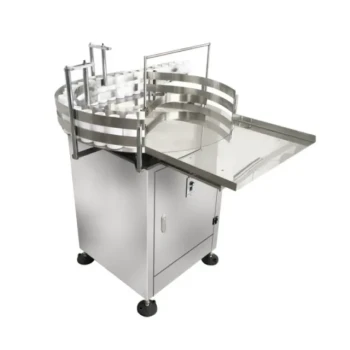
Artificial feeding equipment is a critical intervention tool used to bridge the nutritional gap when natural resources fail. During a nectar dearth, this equipment delivers supplemental feed in controlled quantities to prevent colony starvation, stop the hive from absconding, and maintain the biological momentum necessary for future productivity.
The primary purpose of artificial feeding is not merely survival, but workforce preservation. By preventing starvation and stimulating the queen to continue laying eggs, you ensure the colony retains the population density required to capitalize on the next major nectar flow.
Preserving Colony Stability
Preventing Starvation and Absconding
When natural nectar and pollen sources disappear due to seasonal shifts or heavy rainfall, a colony faces an immediate energy deficit. Without intervention, this leads to rapid mass starvation.
Mitigating the Risk of Desertion
Certain species, such as Apis cerana, are highly prone to "absconding"—abandoning the hive entirely—when food becomes scarce. Artificial feeding acts as an anchor, securing the colony to the location by removing the biological trigger to migrate in search of resources.
Sustaining Biological Functions
Stimulating Queen Activity
The queen bee's egg-laying rate is directly tied to the availability of resources. Artificial feeding mimics a natural nectar flow, signaling the queen to continue laying eggs rather than shutting down brood production to conserve energy.
Supporting Nurse Bee Physiology
To rear the brood produced by the queen, nurse bees require adequate nutrition to secrete royal jelly. Supplemental feed, particularly protein substitutes (like pollen or pea flour) and sugar syrups, ensures nurse bees maintain the glandular function necessary to raise healthy larvae.
Strategic Preparation for the Future
Building Foraging Strength
The goal of beekeeping is rarely just to keep bees alive today; it is to prepare them for tomorrow. Feeding during a dearth ensures that the colony maintains a strong, high-density workforce.
Capitalizing on the Next Nectar Flow
If a colony enters the flowering season with a depleted population, they will spend the nectar flow rebuilding their numbers rather than gathering honey. By maintaining the population through the dearth, you ensure a massive force of foragers is ready the moment environmental conditions improve.
The Importance of Controlled Delivery
Why "Equipment" Matters
The primary reference highlights the need for regular and controlled quantities of feed. Simply dumping food into a hive can be ineffective or counterproductive.
Simulating Nature
Specialized feeders allow you to regulate the intake of syrup or dry sugar. This controlled delivery is essential for simulating a natural "trickle" of nectar, which is more effective at maintaining colony morale and nursing instincts than irregular bulk feeding.
Making the Right Choice for Your Goal
To maximize the effectiveness of your apiary management, apply these principles based on your immediate objectives:
- If your primary focus is Colony Survival: Prioritize consistent sugar syrup and water delivery to prevent starvation and neutralize the risk of absconding.
- If your primary focus is Honey Production: Begin supplemental feeding well before the flow starts to ensure the queen has already bred a maximum-capacity workforce of foragers.
- If your primary focus is Queen Breeding: Use feeders to simulate a continuous nectar flow, stimulating nurse bees to produce the royal jelly required for optimal queen cell development.
Success in the dearth period is defined by proactive resource management that transforms a season of scarcity into a period of strategic growth.
Summary Table:
| Objective | Impact of Artificial Feeding | Equipment Role |
|---|---|---|
| Colony Survival | Prevents starvation and hive desertion (absconding) | Delivers consistent energy supply |
| Brood Production | Stimulates queen egg-laying and nurse bee health | Mimics natural nectar flow triggers |
| Population Density | Maintains a strong workforce for the next flow | Ensures workforce preservation |
| Resource Delivery | Prevents robbing and waste | Provides controlled, regulated intake |
Maximize Your Apiary Productivity with HONESTBEE
Navigating a nectar dearth requires more than just feed—it requires the right precision tools to ensure colony stability and future honey yields. HONESTBEE specializes in supporting commercial apiaries and distributors with a comprehensive range of high-quality beekeeping equipment.
From specialized feeders that simulate natural nectar flows to advanced honey-processing machinery and hive-making equipment, our wholesale solutions are designed to enhance your operational efficiency. Whether you are scaling a commercial operation or supplying the industry, we provide the hardware and consumables necessary for success.
Ready to strengthen your colonies and optimize your harvest?
Contact HONESTBEE Today to explore our full spectrum of professional beekeeping tools and machinery.
References
- Department of Entomology, Gazipur Agricultural University, Gazipur, Bangladesh. Apiculture in Bangladesh: scientific insights and transformation towards modern beekeeping. DOI: 10.59619/ej.7.2.9
This article is also based on technical information from HonestBee Knowledge Base .
Related Products
- HONESTBEE Professional Hive Top Bee Feeder Feeding Solution
- Professional In-Hive Bee Feeder HONESTBEE Frame for Beekeeping
- 3.5L Plastic Beehive Frame Feeder Deep Frame Water Feeder for In Hive Use
- Professional Hive Top Bee Feeder for Beekeeping
- Classic Boardman Entrance Bee Feeder Hive Front Feeding Solution
People Also Ask
- How does a bee hive top feeder work? A Guide to Efficient, Protected Feeding
- Do I need an inner cover with a hive top feeder? Optimize Your Hive Setup for Healthy Bees
- What is a hive top feeder? A Guide to Efficient, Low-Stress Beekeeping
- What is a hive top feeder, and how does it work? A Complete Guide to Efficient In-Hive Feeding
- What are the characteristics, advantages, and disadvantages of hive top feeders? Optimize Your High-Volume Feeding