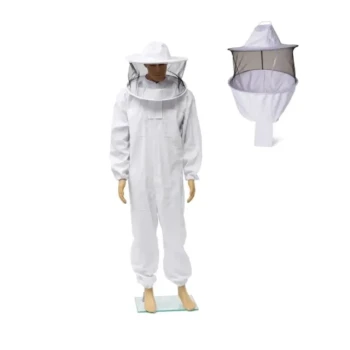
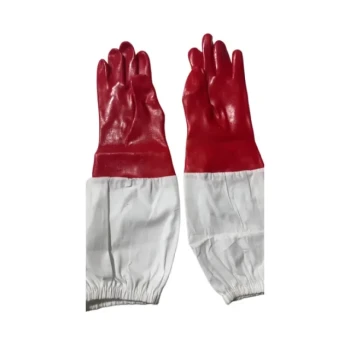
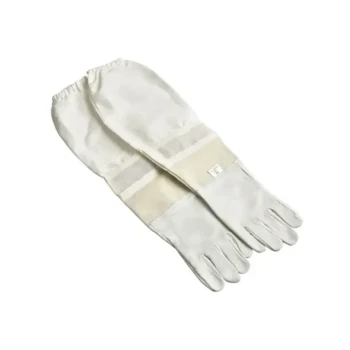
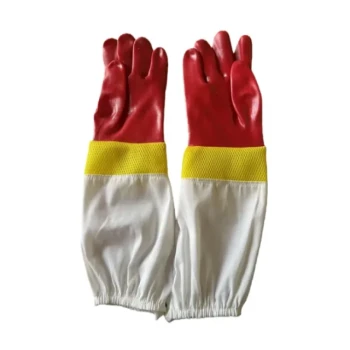
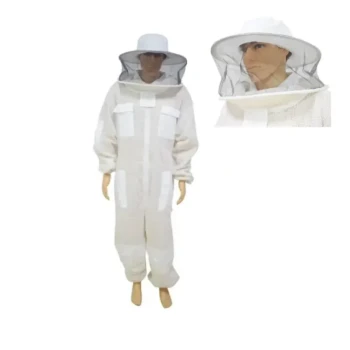
Professional beekeeping protective clothing is the fundamental safeguard required to ensure both biological safety and operational integrity during field monitoring. It provides a necessary physical barrier during invasive tasks such as installing samplers or inspecting hive status, effectively preventing stings to ensure personnel remain stable and efficient while monitoring hundreds of colonies.
Core Takeaway In high-intensity agricultural environments, protective gear does more than prevent injury; it stabilizes the variable human element. By eliminating the distraction of physical harm and chemical exposure, operators can maintain precision across massive datasets and handle bees that may be agitated by environmental stressors.
Ensuring Operational Consistency and Data Integrity
Mitigating Human Error
When monitoring hundreds of colonies, consistency is the metric of success. Professional gear prevents the reflex reactions caused by stings or the fear of being stung. This ensures that the installation of samplers and the collection of data remain precise and standardized across every single hive.
Maintaining Operator Efficiency
High-intensity monitoring requires speed and focus. A full-body suit and veil eliminate the need for an operator to act defensively. This allows personnel to focus entirely on the technical aspects of the inspection rather than their own safety, significantly reducing the time required per hive.
Preserving Colony Stability
Invasive operations inevitably disturb the hive. A calm operator, confident in their protection, moves more deliberately and smoothly. This reduces unnecessary agitation of the colony, helping to maintain a stable state for the hive during the monitoring process.
Managing Environmental Risks in Agricultural Landscapes
Countering Chemically Induced Aggression
Intensive agricultural landscapes present unique biological hazards. The use of agrochemicals such as malathion or 2,4-D can cause plant poisoning or irritation in bees. This often results in significantly higher aggression levels compared to natural settings, making robust protection non-negotiable.
Protection Against Chemical Contact
Beyond the risk of stings, field monitoring in these landscapes may expose personnel to chemical residues. High-coverage, breathable protective suits act as a shield. They effectively prevent direct skin contact with potential environmental toxins present on the hives or surrounding vegetation.
Understanding the Trade-offs
Balancing Protection with Dexterity
While thick gloves and heavy suits provide maximum safety, they inherently reduce tactile feedback. Operators must be skilled enough to handle delicate sampling equipment through this barrier to avoid clumsiness that could damage the hive or compromise the sample.
Managing Physical Strain
Professional gear provides isolation, but this can lead to heat retention. In open agricultural fields, the trade-off for total biological safety is often increased physical strain or heat stress. Equipment selection must balance impermeability with breathability to ensure operator endurance during long shifts.
Making the Right Choice for Your Goal
To select the appropriate level of protection, you must assess the specific risks of your monitoring environment.
- If your primary focus is scientific accuracy: Prioritize gear that maximizes confidence and calm, as preventing sting-induced flinching is critical for consistent sampler placement.
- If your primary focus is safety in chemically treated zones: Ensure your gear offers comprehensive skin coverage to protect against both aggressive, irritated bees and potential pesticide residue contact.
Ultimately, professional protective clothing is not just a safety requirement; it is an instrument of precision that enables reliable data collection in volatile environments.
Summary Table:
| Feature | Benefit in Field Monitoring | Impact on Data/Safety |
|---|---|---|
| Physical Barrier | Prevents stings and reflex reactions | Ensures consistent and precise data collection |
| Full Skin Coverage | Protects against agrochemical residues | Minimizes operator health risks in treated zones |
| Operator Confidence | Reduces defensive movements | Maintains colony stability and lowers hive stress |
| Professional Design | Facilitates focus on technical tasks | Increases operational efficiency across large datasets |
Elevate Your Apiary Operations with HONESTBEE
At HONESTBEE, we understand that professional-grade protection is the foundation of successful commercial beekeeping and reliable field research. We cater specifically to commercial apiaries and distributors, offering a comprehensive wholesale range of high-performance beekeeping tools, machinery, and essential consumables.
Whether you need specialized hive-making and honey-filling machines to scale your production or premium protective gear to ensure the safety of your team in intensive agricultural environments, our portfolio has you covered. Partner with us to access the full spectrum of beekeeping hardware and honey-themed cultural merchandise designed for industry excellence.
Ready to upgrade your equipment? Contact us today to explore our wholesale solutions!
References
- Fabrice Réquier, Vincent Bretagnolle. Floral Resources Used by Honey Bees in Agricultural Landscapes. DOI: 10.1890/0012-9623-96.3.487
This article is also based on technical information from HonestBee Knowledge Base .
Related Products
- Premium Cowboy Beekeeper Hat with Visibility Veil Outdoor Professional Beekeeping Protective Gear
- Professional Beekeeper Suit with Square Folding Cotton Veil
- White Cotton Beekeeping Jacket and Veil for Bee Keepers
- Professional Beekeeping Suit for Kids and Girls Childrens Bee Keeper Suit
- Beekeeping Jacket with Hood and Veil for Beekeepers
People Also Ask
- What design features contribute to the stability and fit of the beekeeper hat? Key Features for Maximum Hive Safety
- How is the beekeeper hat designed for comfort and practicality? Explore Key Features for Enhanced Apiary Safety
- What is the general protective gear recommendation for new beekeepers? Your Essential Beginner's Safety Guide
- How does beekeeping protective gear facilitate the queen bee selection process? Enhancing Precision in Queen Breeding
- What should beekeepers consider when choosing protective gear? A Guide for Maximum Safety & Comfort