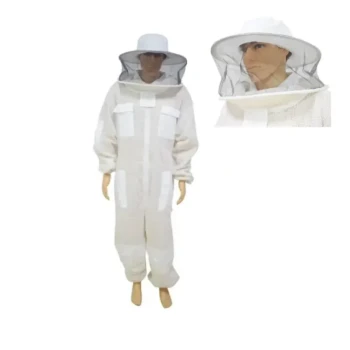
Professional protective equipment acts as a fundamental infrastructure layer for apiaries operating in regions with defensive or Africanized bee populations. It provides the necessary physical security to maintain production schedules and quality standards in environments where aggressive colony traits would otherwise make routine hive management dangerous or impossible.
The Bottom Line: In defensive apiaries, protective gear is not merely clothing but essential operational hardware that ensures technician safety, enables precise colony interventions, and secures the continuity of production against the risks of injury and operational downtime.
The Operational Necessity of Protection
Ensuring Technician Safety and Confidence
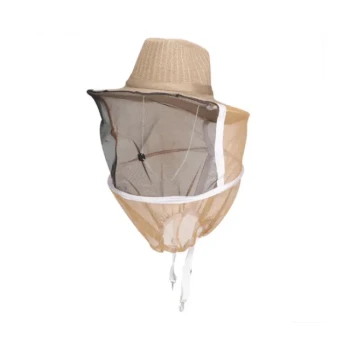
In regions where honeybees exhibit high defensiveness, the risk of injury is a primary operational bottleneck. Professional-grade suits and veils serve as indispensable physical barriers, preventing stings during critical tasks like hive inspections and honey harvesting.
Beyond physical safety, this equipment reduces the psychological stress associated with working in aggressive environments. When technicians are confident in their safety, they can work with greater composure and precision, rather than rushing to avoid injury.
Maintaining Production Schedules
Defensive bee populations often require strict management to mitigate aggression and maintain health. Without professional protection, the frequency of necessary interventions would drop significantly due to safety concerns.
Reliable equipment allows technicians to adhere to strict production schedules regardless of the colony's temperament. This consistency is vital for maintaining quality standards and ensuring that commercial targets are met without interruption.
Facilitating Large-Scale Operations
Scaling operations in defensive regions is impossible if worker safety cannot be guaranteed. Professional hardware transforms high-risk environments into manageable workspaces.
By mitigating the immediate physical threat, these tools facilitate the adoption of large-scale production techniques. This allows commercial apiaries to manage higher hive counts efficiently, stabilizing the workflow necessary for a robust food supply chain.
The Role of Specialized Hardware
Managing Alarm Pheromones
Protective suits work in tandem with high-quality smokers, which are critical for masking alarm pheromones released by defensive bees. While the suit protects the human, the smoker modifies bee behavior by inducing a feeding instinct that calms the colony.
This combination significantly reduces colony aggression. It allows beekeepers to open hives safely for detailed inspections that would otherwise trigger a mass defensive response.
Precision in Colony Management
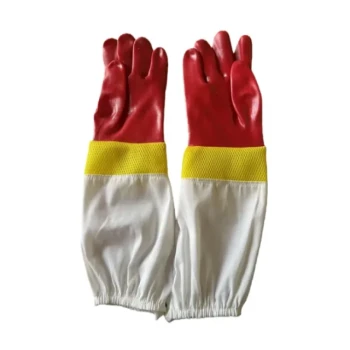
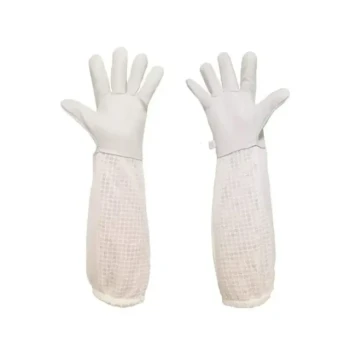
Effective beekeeping requires delicate tasks, such as locating the queen, assessing brood health, and performing pest control. Professional equipment, including specific gloves and brushes, allows for this dexterity while protecting the operator.
Furthermore, specialized tools like bee brushes allow for the gentle removal of bees from combs without crushing them. This minimizes trauma to the colony and prevents the release of further alarm pheromones, maintaining the population density of high-yielding hives.
Comfort in Harsh Environments
Many regions with defensive bee populations are located in hot, humid climates. Professional suits are engineered with specialized weaving structures that offer breathability without compromising sting protection.
This thermal regulation is essential for preventing heat exhaustion during long shifts. It ensures that personnel can remain focused and effective throughout the duration of the inspection process.
Understanding the Trade-offs
The Limits of Physical Barriers
While professional gear is essential, it is not a substitute for proper technique. Relying solely on a suit without utilizing smoke or understanding bee behavior can still lead to escalating aggression levels that make the hive unmanageable, regardless of the protective layer.
Balancing Protection and Dexterity
Heavier protection often comes at the cost of tactile feedback. Thick gloves required for defensive colonies can make handling delicate frames or queens more difficult. Operators must balance the need for maximum sting protection with the fine motor skills required to avoid accidentally harming bees, which would ironically incite further aggression.
Making the Right Choice for Your Goal
Select your equipment strategy based on your specific operational focus:
- If your primary focus is Commercial Production: Prioritize durability and maximum sting protection to ensure staff can maintain rigorous harvesting schedules without downtime.
- If your primary focus is Educational or Agritourism: Focus on equipment that balances extreme safety with visual accessibility, transforming close-range observation into a secure learning environment.
- If your primary focus is Colony Health & Maintenance: Invest in gear that offers a balance of protection and dexterity, allowing for the precise fine-motor tasks required for queen management and pest control.
Success in defensive regions depends on viewing protective gear not as an accessory, but as the hardware that makes management possible.
Summary Table:
| Key Operational Benefit | Role in Defensive Regions | Importance for Commercial Success |
|---|---|---|
| Technician Safety | Physical barrier against stings and injury | Reduces downtime and ensures workforce confidence |
| Production Continuity | Enables management regardless of bee temperament | Maintains harvest schedules and quality standards |
| Scalability | Transforms high-risk zones into manageable workspaces | Essential for managing high hive counts efficiently |
| Management Precision | Balances sting protection with tactile dexterity | Facilitates delicate tasks like queen assessment |
| Thermal Regulation | Breathable fabrics for hot, humid climates | Prevents heat exhaustion during long field shifts |
Scale Your Apiary Operations with HONESTBEE
Operating in regions with defensive bee populations requires more than just standard gear—it demands industrial-grade reliability. HONESTBEE empowers commercial apiaries and distributors by providing a comprehensive wholesale ecosystem of high-performance beekeeping hardware.
From advanced ventilated protective suits that ensure technician safety in harsh climates to specialized honey-filling and hive-making machinery, we supply the tools you need to maximize yield and minimize risk. Whether you are expanding a commercial operation or stocking a distribution network, our portfolio covers the full spectrum of industry consumables and specialized equipment.
Ready to secure your production and empower your team?
Contact HONESTBEE Today to explore our wholesale solutions and elevate your beekeeping infrastructure.
References
- Miguel Ángel Magaña Magaña, Carlos E. Leyva Morales. Costs and profitability of beekeeping production process in Mexico. DOI: 10.1016/0002-9378(56)90799-2
This article is also based on technical information from HonestBee Knowledge Base .
Related Products
- Premium Cowboy Beekeeper Hat with Visibility Veil Outdoor Professional Beekeeping Protective Gear
- Premium Cotton Beekeeper Suit with Reinforced Fencing Veil
- Beekeeper Cowboy Hat and Veil for Beekeeping
- Beekeeping Jacket with Hood and Veil for Beekeepers
- White Cotton Beekeeping Jacket and Veil for Bee Keepers
People Also Ask
- What design features contribute to the stability and fit of the beekeeper hat? Key Features for Maximum Hive Safety
- How is the beekeeper hat designed for comfort and practicality? Explore Key Features for Enhanced Apiary Safety
- What is the general protective gear recommendation for new beekeepers? Your Essential Beginner's Safety Guide
- How does beekeeping protective gear facilitate the queen bee selection process? Enhancing Precision in Queen Breeding
- What should beekeepers consider when choosing protective gear? A Guide for Maximum Safety & Comfort