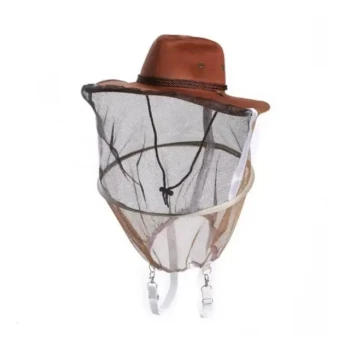
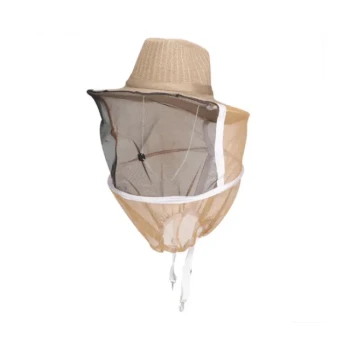
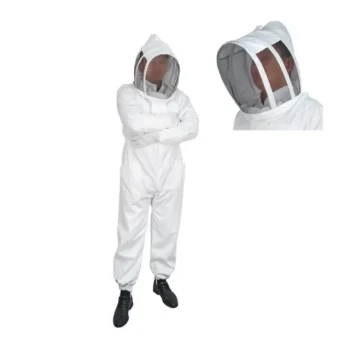
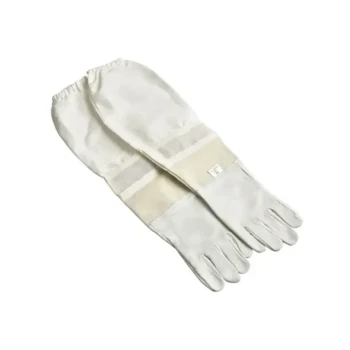
Professional protective equipment acts as the fundamental enabler of effective apiary science. It serves a dual purpose: providing the physical safety necessary to prevent injury and delivering the psychological confidence required to perform rigorous disease monitoring. Without this protection, the operational capacity to manage pests is restricted, often leading to the neglect or abandonment of defensive colonies.
The core value of professional gear is not just injury prevention; it is the elimination of hesitation. By neutralizing the fear of stings, beekeepers can maintain the strict inspection schedules required to catch disease outbreaks early, ensuring the long-term viability of the apiary.
The Operational Impact of Safety
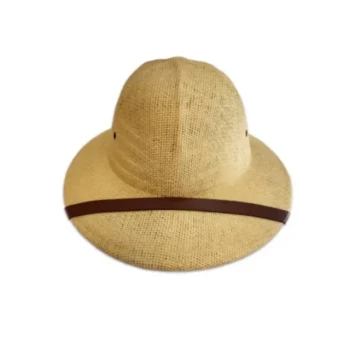
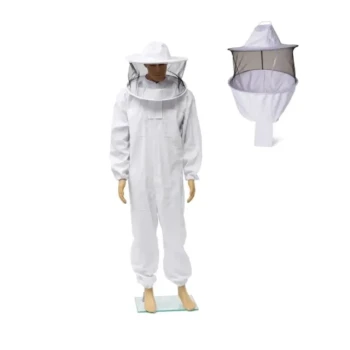
The primary function of protective equipment—including suits, veils, and gloves—is to create a reliable physical barrier between the operator and the colony. However, the implications of this barrier extend far beyond basic first aid.
Preventing Colony Neglect
Fear is a significant deterrent in beekeeping. When operators lack adequate protection, natural defensive behaviors from the bees can discourage necessary interventions.
This often leads to the neglect or abandonment of difficult colonies. Professional equipment removes this barrier, ensuring that every hive, regardless of its temperament, receives consistent care.
Enhancing Operator Precision
Anxious operators make mistakes. When a beekeeper is worried about being stung, their movements tend to be rushed and jerky.
High-quality gear reduces operator anxiety, fostering a calm demeanor. This allows for smooth, precise handling of frames, which minimizes checking errors and reduces accidental harm to the queen or workers.
Reducing Colony Stress
Bees react to the operator's behavior. Aggressive or frantic handling triggers stress responses within the hive.
By enabling the operator to remain calm, protective gear indirectly lowers the stress levels of the colony. This leads to a more stable environment and higher overall management efficiency.
Critical Role in Disease Monitoring
Disease and pest management requires close observation and time-intensive procedures. It is impossible to perform these tasks effectively if the operator is in a rush to escape the apiary.
Facilitating Deep Inspections
Identifying early signs of disease often requires scrutinizing brood patterns and testing for pests.
Professional equipment provides a biosafety barrier that allows the operator to stand their ground during periods of high bee activity. This permits the thorough, time-consuming examinations necessary to identify subtle health issues.
Enabling Scientific Regulation
Effective apiary management relies on data and regular intervention. This includes applying treatments, splitting colonies, and removing burr combs.
With safety assured, operators can implement these pest control measures scientifically and on schedule, rather than delaying them due to safety concerns.
Understanding the Trade-offs
While protective equipment is essential, relying on it blindly can introduce its own set of challenges. It is important to balance protection with functionality.
The Dexterity vs. Protection Conflict
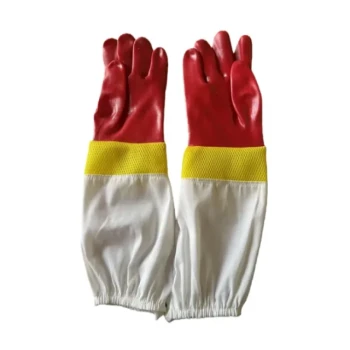
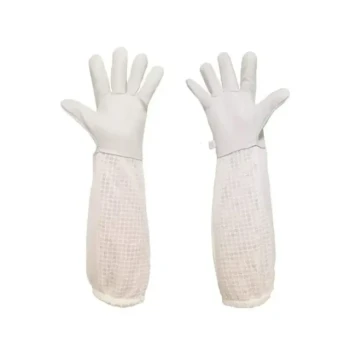
Heavy-duty gloves offer maximum protection against stings but significantly reduce tactile feedback.
This loss of dexterity can lead to clumsy handling, potentially crushing bees or rolling the queen during inspections. In some scenarios, this clumsiness can incite the very defensive behavior the gear is meant to protect against.
False Sense of Invincibility
Wearing a full suit can sometimes lead to complacency regarding technique.
Equipment is a backup, not a substitute for proper smoking techniques and gentle hive manipulation. Relying solely on the suit to withstand a highly aggressive colony, without addressing the root cause of the aggression, is a failure of management.
Making the Right Choice for Your Goals
Selecting the right level of protection depends on your specific operational focus and experience level.
- If your primary focus is Disease Diagnostics: Prioritize fully enclosed suits with high-visibility veils to ensure you can remain at the hive long enough for microscopic examination without distraction.
- If your primary focus is General Management: Balance protection with dexterity; consider thinner gloves or nitrile options to improve handling precision and reduce accidental bee mortality.
True operational confidence comes when the equipment renders the risk of stings irrelevant, allowing your focus to remain entirely on the health of the hive.
Summary Table:
| Feature | Impact on Apiary Management | Key Benefit for the Operator |
|---|---|---|
| Physical Barrier | Prevents injuries and colony abandonment | Neutralizes fear and "elimination of hesitation" |
| Anxiety Reduction | Promotes calm, precise hive manipulation | Minimizes handling errors and queen injury |
| Biosafety Support | Allows for long-duration brood inspections | Ensures early detection of pests and disease |
| High-Vis Veils | Facilitates microscopic/detailed checks | Improves accuracy in disease diagnostics |
Elevate Your Apiary Operations with HONESTBEE
At HONESTBEE, we understand that professional-grade protection is the foundation of a productive apiary. We cater specifically to commercial apiaries and distributors, providing a comprehensive wholesale range of beekeeping tools, machinery, and essential consumables.
From advanced hive-making and honey-filling machines to high-durability protective suits and hardware, our portfolio is designed to enhance your operational efficiency and scientific accuracy. Partner with us to secure the tools that turn challenges into growth.
Contact HONESTBEE Today for Wholesale Solutions
References
- Jordanna Hinton, David Lloyd. An Overview of Rural Development and Small-Scale Beekeeping in Fiji. DOI: 10.1080/0005772x.2019.1698104
This article is also based on technical information from HonestBee Knowledge Base .
Related Products
- Premium Cowboy Beekeeper Hat with Visibility Veil Outdoor Professional Beekeeping Protective Gear
- Professional Square Folding Wire Mesh Beekeeping Veil
- Beekeeper Cowboy Hat and Veil for Beekeeping
- Beekeeping Jacket with Hood and Veil for Beekeepers
- White Cotton Beekeeping Jacket and Veil for Bee Keepers
People Also Ask
- What design features contribute to the stability and fit of the beekeeper hat? Key Features for Maximum Hive Safety
- How is the beekeeper hat designed for comfort and practicality? Explore Key Features for Enhanced Apiary Safety
- What is the general protective gear recommendation for new beekeepers? Your Essential Beginner's Safety Guide
- How does beekeeping protective gear facilitate the queen bee selection process? Enhancing Precision in Queen Breeding
- What should beekeepers consider when choosing protective gear? A Guide for Maximum Safety & Comfort