Professional protective equipment functions as the critical operational baseline for managing defensive honeybee subspecies. It provides an indispensable physical barrier against collective stinging attacks, allowing beekeepers to execute essential colony inspections, feeding, and harvesting without the threat of injury to themselves or nearby livestock.
By neutralizing the risk of mass stinging, protective gear transforms a hazardous environment into a controlled workspace, ensuring that apiary operations and production continuity are never compromised by the natural defensive instincts of the colony.
The Operational Role of Physical Barriers
Neutralizing Collective Defense
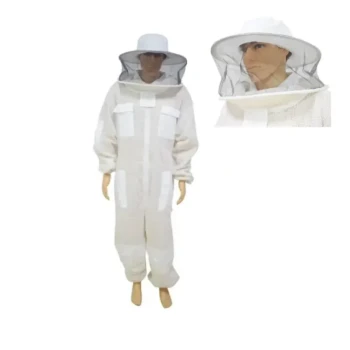
Defensive honeybee subspecies are characterized by their tendency to launch collective attacks rather than isolated defensive maneuvers. Professional gear, including reinforced suits and veils, intercepts this mass aggression.
This equipment prevents stings from penetrating to the skin, drastically reducing the risk of severe allergic reactions that can occur from multiple simultaneous stings.
Ensuring Continuity of Care
The primary value of this equipment is that it permits the beekeeper to remain at the hive despite aggressive behavior. Without this protection, routine tasks like feeding and harvesting would be too dangerous to complete.
It ensures that vital operations—such as colony splitting and health assessments—can proceed on schedule, regardless of the colony's temperament.
Protection for Personnel and Livestock
The safety radius provided by this equipment extends beyond the individual beekeeper. By allowing the beekeeper to control the hive effectively, it minimizes the chance of escaping aggressive bees injuring other personnel or nearby livestock.
Managing Biological and Environmental Triggers
Reducing Visual and Olfactory Aggression
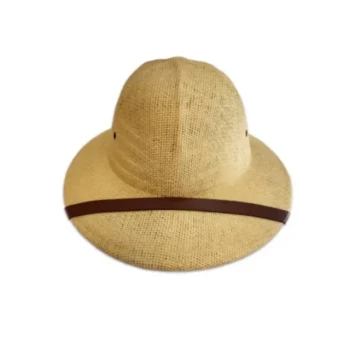
Professional gear is often designed with specific materials—such as thick, light-colored fabrics—that help maintain colony stability. Dark colors can trigger aggression in bees, while proper gear minimizes these visual provocations.
Furthermore, by preventing the first sting, the gear stops the immediate release of alarm pheromones on the beekeeper's skin, which would otherwise incite further attacks.
Buffering Against Unpredictability
Even in well-managed apiaries, aggression levels can spike due to sudden changes in weather or accidental handling errors.
Protective veils and suits serve as a safety net during these unpredictable moments, allowing the beekeeper to correct errors or close the hive calmly without panic.
Understanding the Trade-offs
Balancing Protection with Dexterity
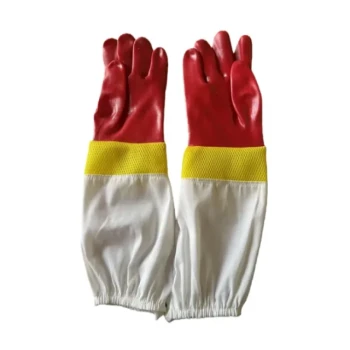
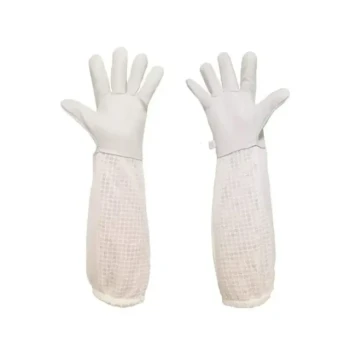
While thick, sting-resistant gloves are essential for safety, they can reduce tactile sensitivity.
A loss of dexterity can lead to clumsy handling or crushed bees, which ironically releases alarm pheromones and increases colony defensiveness. Beekeepers must rely on the protection of the suit to remain calm, compensating for the bulk of the gear with deliberate, slow movements.
Making the Right Choice for Your Goal
When selecting equipment for defensive colonies, prioritize your specific operational needs:
- If your primary focus is production continuity: Ensure your gear is robust enough to allow for harvesting and feeding during peak activity without interruption.
- If your primary focus is scientific observation: Prioritize veils with high visibility and suits that allow you to perform detailed health assessments without fear of sudden defensive surges.
Professional equipment is not merely about avoiding pain; it is the essential tool that enables sustainable, safe, and productive management of high-risk apiaries.
Summary Table:
| Feature | Operational Benefit | Strategic Value |
|---|---|---|
| Reinforced Physical Barrier | Neutralizes collective stinging attacks | Prevents severe allergic reactions and injury |
| Pheromone Mitigation | Stops initial sting-triggered alarm scents | Maintains colony stability and reduces mass aggression |
| Light-Colored Fabrics | Minimizes visual provocation | Lowers the frequency of defensive surges |
| Full-Body Coverage | Allows focus on hive management tasks | Ensures continuity of feeding, splitting, and harvesting |
Secure Your Apiary Productivity with HONESTBEE
Managing defensive honeybee subspecies requires more than just skill—it demands industrial-grade protection that never fails. HONESTBEE specializes in supporting commercial apiaries and distributors with a comprehensive wholesale portfolio of professional beekeeping tools, machinery, and essential consumables.
From sting-proof suits and high-visibility veils to advanced honey-filling machines and hive-making hardware, we provide the full spectrum of equipment needed to scale your operations safely and efficiently. Whether you are stocking a distribution network or upgrading a large-scale commercial site, our solutions ensure your team stays protected while your production stays on schedule.
Ready to elevate your beekeeping operations? Contact HONESTBEE today to discuss our wholesale offerings and how we can add value to your business.
References
- Tessema Aynalem Abejew, Zeleke Mekuriaw Zeleke. Study on the Beekeeping Situation, the Level of Beekeepers Knowledge Concerning Local Honeybee Subspecies, Their Productive Characteristics, and Behavior in Eastern Amhara Region, Ethiopia. DOI: 10.1155/2017/6354250
This article is also based on technical information from HonestBee Knowledge Base .
Related Products
- Premium Cowboy Beekeeper Hat with Visibility Veil Outdoor Professional Beekeeping Protective Gear
- Premium Cotton Beekeeper Suit with Reinforced Fencing Veil
- Beekeeper Cowboy Hat and Veil for Beekeeping
- White Cotton Beekeeping Jacket and Veil for Bee Keepers
- Beekeeping Jacket with Hood and Veil for Beekeepers
People Also Ask
- What design features contribute to the stability and fit of the beekeeper hat? Key Features for Maximum Hive Safety
- How is the beekeeper hat designed for comfort and practicality? Explore Key Features for Enhanced Apiary Safety
- What is the general protective gear recommendation for new beekeepers? Your Essential Beginner's Safety Guide
- How does beekeeping protective gear facilitate the queen bee selection process? Enhancing Precision in Queen Breeding
- What should beekeepers consider when choosing protective gear? A Guide for Maximum Safety & Comfort