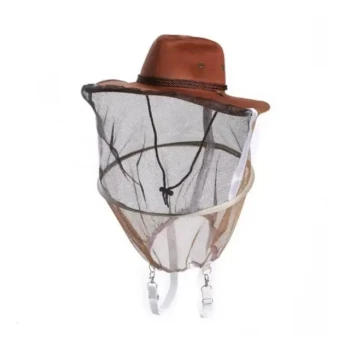
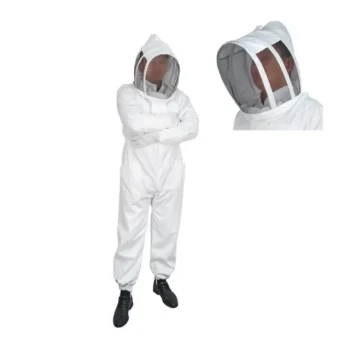
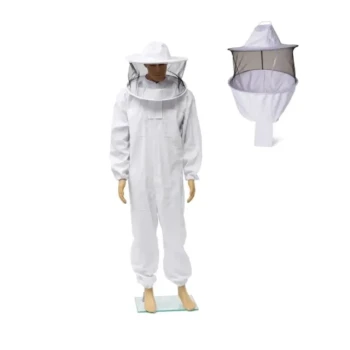
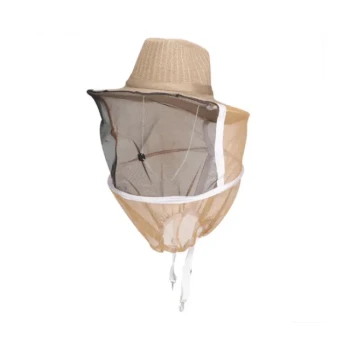
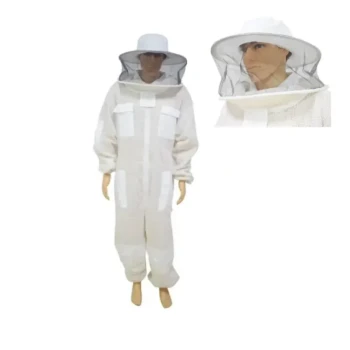
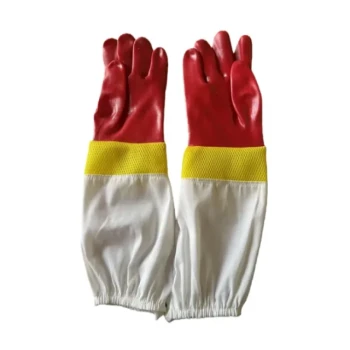
Professional-grade protective clothing is the primary defense against the coordinated, high-intensity attacks characteristic of defensive honeybee subspecies. This equipment utilizes thick, light-colored fabrics integrated with sealed veils and gloves to create a comprehensive physical barrier. This barrier is essential not only for preventing stings from reaching the skin but also for minimizing the visual and olfactory cues that escalate colony aggression.
Core Takeaway Managing defensive subspecies requires more than just pain prevention; it requires mitigation of "mass stinging" events that can lead to severe allergic reactions and systemic toxicity. Professional gear ensures the safety of personnel while allowing for the consistent execution of essential colony management, feeding, and harvesting tasks.
The Mechanics of Defensive Protection
Barrier Integrity Against Mass Attacks
Defensive honeybee subspecies are distinguished by their tendency to attack collectively rather than individually. Professional-grade clothing is manufactured from specialized, thick fabrics designed specifically to withstand multiple, simultaneous sting attempts without penetration.
Reducing Visual Aggression Triggers
The effectiveness of professional gear extends beyond physical thickness; the color of the material is a functional safety feature. These suits are light-colored to avoid mimicking the dark fur of natural predators (such as bears or badgers), thereby reducing the visual provocation that triggers defensive behavior.
Minimizing Olfactory Triggers
Professional equipment helps maintain colony stability by masking the beekeeper's scent. By containing human odors and preventing the bees from targeting specific areas of the skin, the gear reduces the olfactory triggers that often initiate or escalate an attack.
Operational Continuity and Safety
Preventing Systemic Health Risks
The primary risk with defensive subspecies is not the pain of a single sting, but the medical consequences of mass envenomation. Professional gear is essential to prevent the accumulation of venom that leads to severe allergic reactions or toxic shock, protecting the long-term health of the beekeeper.
Enabling Essential Management Tasks
Without robust protection, necessary beekeeping operations—such as inspections, feeding, and harvesting—become dangerous or impossible. Professional suits allow beekeepers to remain calm and deliberate during these tasks, ensuring operations continue regardless of the colony's temperament.
Facilitating Scientific and Conservation Work
For researchers and conservationists managing diverse or high-density colonies, safety is a prerequisite for accuracy. High-quality gear allows for precise scientific observation and resource allocation without the distraction or danger of defensive swarming.
Understanding the Trade-offs
Heat Stress vs. Protection
The very thickness that provides safety can become a liability in hot climates. Professional-grade suits trap body heat, significantly increasing the risk of heat exhaustion during long inspections.
Dexterity Limitations
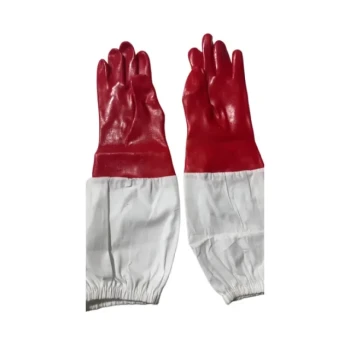
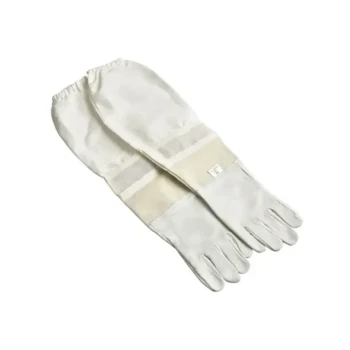
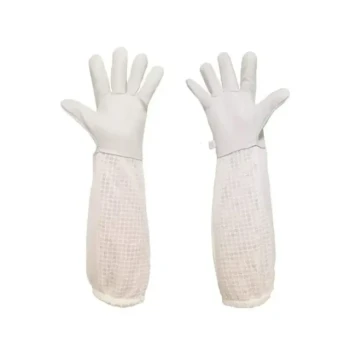
Thick, protective gloves are necessary to prevent stings to the hands, but they reduce tactile sensitivity. This loss of dexterity can make handling frames difficult and may lead to accidental crushing of bees, which ironically releases alarm pheromones and increases colony agitation.
Making the Right Choice for Your Goal
Select your protective equipment based on the specific risks associated with your managed subspecies and your operational environment.
- If your primary focus is Personnel Safety: Prioritize suit thickness and joint sealing to prevent sting penetration during mass attacks, accepting the trade-off of higher heat retention.
- If your primary focus is Colony Stability: Ensure your gear is strictly light-colored and washed frequently to remove alarm pheromones, minimizing visual and olfactory agitation.
- If your primary focus is Operational Efficiency: Select gear that integrates robust protection with ventilation features to maintain stamina during labor-intensive tasks like harvesting.
Invest in protection that allows you to focus on the colony, not the fear of the sting.
Summary Table:
| Feature | Protective Benefit | Impact on Management |
|---|---|---|
| Thick, Specialized Fabric | Prevents stings from reaching skin during mass attacks. | Reduces risk of systemic toxicity and allergic reactions. |
| Light-Colored Material | Avoids mimicking natural predators. | Minimizes visual provocation and colony aggression. |
| Sealed Veils & Joints | Creates a comprehensive physical barrier. | Ensures personnel safety during high-intensity inspections. |
| Odor Containment | Masks human scent and alarm pheromones. | Reduces olfactory triggers that escalate defensive behavior. |
Secure Your Apiary Operations with HONESTBEE
Managing defensive honeybee subspecies requires more than basic gear—it demands industrial-strength protection that ensures your team's safety and your apiary's productivity. At HONESTBEE, we specialize in supporting commercial apiaries and distributors with a comprehensive wholesale portfolio.
From professional-grade protective suits and specialized beekeeping tools to advanced honey-filling machines and hive-making equipment, we provide the full spectrum of hardware and consumables your business needs to thrive. Partner with a supplier that understands the complexities of large-scale beekeeping and provides the durability required for intensive colony management.
Ready to upgrade your commercial beekeeping equipment?
Contact HONESTBEE Today for Wholesale Solutions
References
- Derick Nomuh Forbanka, William Diymba Dzemo. Distribution, biology and ecology of honeybees, Apis mellifera (Hymenoptera; Apidae) in the Eastern Cape Province, South Africa: a review. DOI: 10.1007/s42690-025-01552-1
This article is also based on technical information from HonestBee Knowledge Base .
Related Products
- Premium Cowboy Beekeeper Hat with Visibility Veil Outdoor Professional Beekeeping Protective Gear
- Professional Beekeeping Suit for Kids and Girls Childrens Bee Keeper Suit
- Professional Beekeeper Suit with Square Folding Cotton Veil
- Premium Cotton Beekeeper Suit with Reinforced Fencing Veil
- Professional Cotton Beekeeper Suit with Round Veil Design for Commercial Apiaries
People Also Ask
- What design features contribute to the stability and fit of the beekeeper hat? Key Features for Maximum Hive Safety
- How is the beekeeper hat designed for comfort and practicality? Explore Key Features for Enhanced Apiary Safety
- What is the general protective gear recommendation for new beekeepers? Your Essential Beginner's Safety Guide
- How does beekeeping protective gear facilitate the queen bee selection process? Enhancing Precision in Queen Breeding
- What should beekeepers consider when choosing protective gear? A Guide for Maximum Safety & Comfort