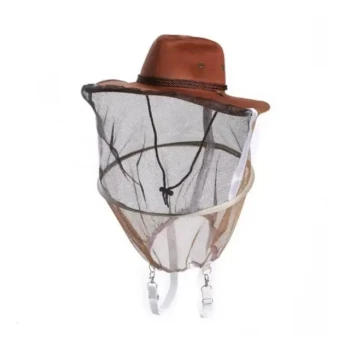
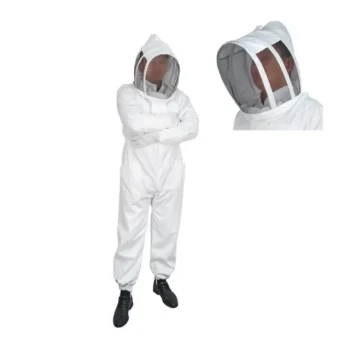
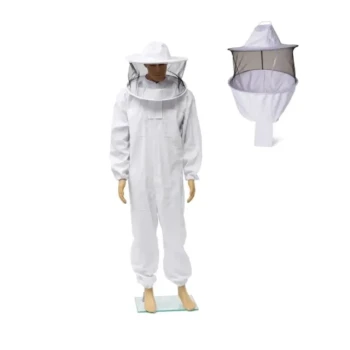
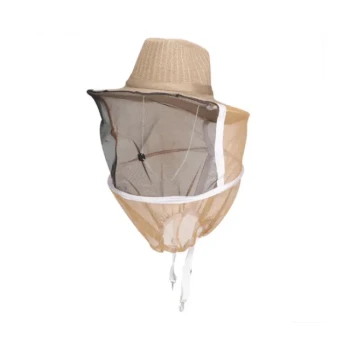
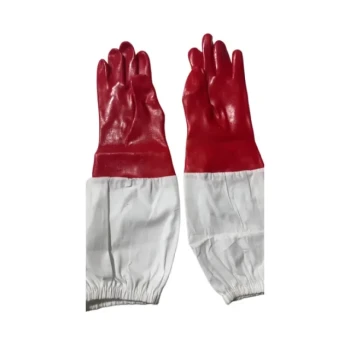
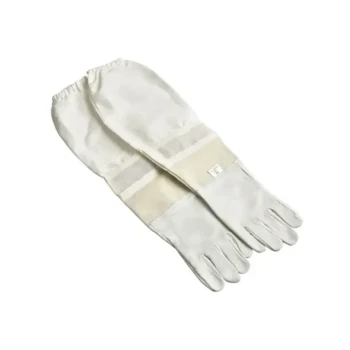
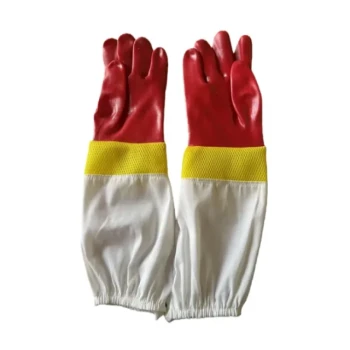
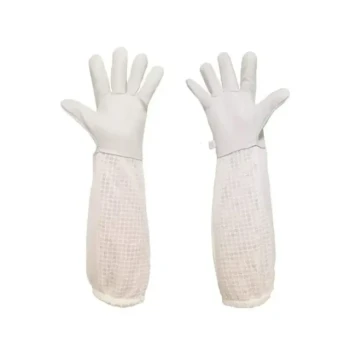
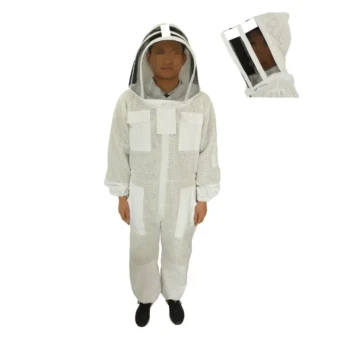
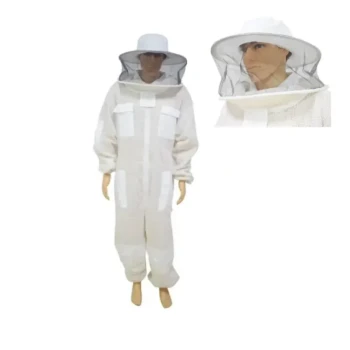
Professional protective clothing serves a dual purpose: it safeguards the operator from physical injury while simultaneously protecting the honey from contamination. Constructed from puncture-resistant, breathable composite materials, this gear creates a comprehensive physical barrier during colony handling. Crucially, it functions as a necessary consumable that prevents the introduction of human-borne impurities, maintaining strict hygiene compliance from collection to primary processing.
While often viewed solely as protection against stings, professional gear is equally vital for maintaining food safety standards. It creates a sterile boundary that protects the operator from injury and the honey from human contamination.
Ensuring Occupational Safety
Advanced Material Construction
Professional clothing is not merely fabric; it is engineered using puncture-resistant, breathable composite materials.
This construction provides a comprehensive physical barrier that prevents bee stings during colony handling.
Facilitating Interactive Participation
For operations that include tourism or educational aspects, professional suits and hats act as a critical isolation barrier.
They allow visitors to participate deeply in honey extraction or hive maintenance without the risk of injury.
This ensures personal safety and minimizes liability while maintaining high compliance standards during interactive activities.
Maintaining Hygiene and Product Quality
Preventing Secondary Contamination
In the context of food production, humans are a primary source of contaminants.
Professional clothing prevents the introduction of human-borne impurities—such as hair, skin cells, or clothing fibers—into the honey products.
Preserving Microbial Integrity
Using professional protective equipment ensures that the microbial indicators found in the honey accurately reflect the natural state of the colony.
Without this barrier, the product may test positive for impurities introduced by the human environment.
Meeting these strict hygiene standards is essential for regulatory compliance and market acceptance.
Common Pitfalls to Avoid
Viewing Gear as Permanent Hardware
A common mistake is treating protective clothing as a permanent fixture rather than a consumable.
As noted in production standards, these items are "necessary consumables."
Worn, damaged, or unwashed gear compromises the hygienic barrier and can introduce the very contaminants you are trying to exclude.
Neglecting the Total System
While protective clothing is vital, it must be paired with other professional auxiliary equipment.
Using a high-quality suit does not negate the need for professional filtration materials or clean hardware.
Failure to address the entire ecosystem—from clothing to stainless steel filters—is a primary technical barrier to achieving international quality standards.
Making the Right Choice for Your Goal
To ensure your operation meets both safety and quality benchmarks, consider the following approach:
- If your primary focus is Occupational Safety: Prioritize gear made from puncture-resistant, breathable composites to ensure comprehensive protection during long handling sessions.
- If your primary focus is Market Compliance: Treat protective clothing as a hygiene barrier to prevent secondary contamination and ensure microbial test results reflect only the colony's natural state.
Professional protective clothing is not just an accessory; it is a fundamental component of a compliant, high-quality production line.
Summary Table:
| Feature | Benefit for Operators | Impact on Honey Quality |
|---|---|---|
| Puncture-Resistant Composite | Prevents stings and physical injury during handling | Ensures stability and precision in colony management |
| Breathable Material | Enhances comfort during long processing sessions | Reduces sweat-related contamination risks |
| Hygienic Barrier | Protects skin from bees and outdoor elements | Blocks hair, skin cells, and fibers from entering the product |
| Consumable Design | Reduces risk of using damaged/dirty equipment | Maintains low microbial counts for regulatory compliance |
Elevate Your Beekeeping Standards with HONESTBEE
At HONESTBEE, we understand that professional protective clothing is more than just safety gear—it is a vital component of your food-grade production line. We cater to commercial apiaries and distributors worldwide, providing a comprehensive wholesale offering that ensures both worker safety and product integrity.
Our extensive portfolio includes:
- Advanced Protective Gear: Puncture-resistant, breathable suits and isolation barriers.
- Industrial Machinery: Specialized honey-filling and hive-making machines.
- Processing Equipment: High-efficiency beekeeping tools and stainless steel filtration systems.
- Industry Consumables: A full spectrum of essential supplies for large-scale operations.
Ready to optimize your apiary’s safety and compliance? Contact us today to discover how our wholesale solutions and technical expertise can help you achieve international quality standards and scale your business effectively.
References
- Nancy Diana Panța. Applying Value Chain Analysis through the Lens of Sustainability to Enterprises in the Beekeeping Sector. DOI: 10.18662/lumproc/gekos2020/12
This article is also based on technical information from HonestBee Knowledge Base .
Related Products
- Premium Cowboy Beekeeper Hat with Visibility Veil Outdoor Professional Beekeeping Protective Gear
- Professional Beekeeping Suit for Kids and Girls Childrens Bee Keeper Suit
- Premium Cotton Beekeeper Suit with Reinforced Fencing Veil
- Professional Beekeeper Suit with Square Folding Cotton Veil
- Professional Cotton Beekeeper Suit with Round Veil Design for Commercial Apiaries
People Also Ask
- What design features contribute to the stability and fit of the beekeeper hat? Key Features for Maximum Hive Safety
- How is the beekeeper hat designed for comfort and practicality? Explore Key Features for Enhanced Apiary Safety
- What is the general protective gear recommendation for new beekeepers? Your Essential Beginner's Safety Guide
- How does beekeeping protective gear facilitate the queen bee selection process? Enhancing Precision in Queen Breeding
- What should beekeepers consider when choosing protective gear? A Guide for Maximum Safety & Comfort