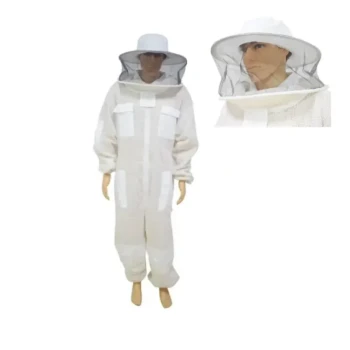
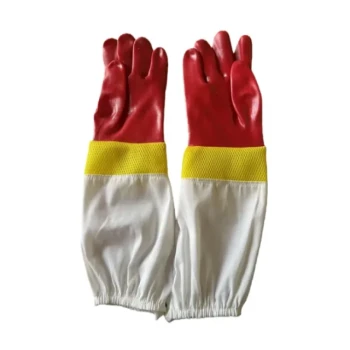
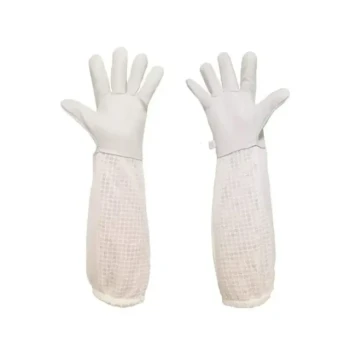
Specialized protective equipment creates a critical physical barrier that prevents injury when managing defensive bee species. By utilizing veils, reinforced suits, and sting-resistant gloves, beekeepers can safely perform essential tasks such as hive inspections, colony splitting, and harvesting without the risk of sustaining multiple stings.
Core Takeaway While the immediate function of protective gear is personal safety, its deeper value is operational continuity. By neutralizing the threat of injury, this equipment empowers beekeepers to handle volatile colonies with the calmness and precision required for advanced apiary management.
The Mechanics of Safety and Protection
Establishing a Physical Barrier
The primary function of specialized gear is to provide a robust shield between the operator and the colony. This is particularly vital when dealing with highly defensive species, such as Africanized honeybees, where the volume and intensity of defensive behavior are elevated.
Ensuring Operator Safety
Veils, suits, and boots effectively block stings from penetrating the skin. This protection is not merely for comfort; it is a fundamental requirement for entering high-risk environments. Without this barrier, the physical danger would make routine maintenance impossible.
Material Selection and Design
Modern protective gear often utilizes synthetic materials to maximize effectiveness. For example, gloves made from high-performance synthetics offer a high level of sting resistance while attempting to preserve the manual dexterity needed for fine motor tasks.
Reducing Aggression Through Color
The design of protective suits extends beyond thickness. Utilizing light-colored materials helps lower the defensive aggression of the bees, as dark colors tend to trigger stronger defensive responses in many bee species.
Operational Efficiency and Workflow
Enabling Routine Maintenance
Protective gear is a prerequisite for maintaining a consistent operational workflow. Because the risk of injury is mitigated, beekeepers can perform more frequent and thorough hive inspections, which are essential for monitoring colony health.
Facilitating Advanced Techniques
Complex management techniques, such as splitting colonies or professionalized harvesting processes, require time and focus. Comprehensive protection ensures that technical personnel can remain at the hive long enough to execute these tasks correctly.
Labor Efficiency
When fear of injury is removed, labor efficiency increases. Technical personnel can focus entirely on the task at hand—whether it is honey collection or disease monitoring—rather than wasting energy on evading defensive bees.
The Impact on Colony Health
The Psychology of Calmness
High-specification gear allows the operator to remain calm during stressful encounters. A calm beekeeper moves more deliberately and gently, which significantly reduces the stress placed on the colony during intervention.
Precision Reduces Mortality
Sudden, jerky movements caused by a fear of stings can lead to crushed bees and agitated colonies. By ensuring operator confidence, protective gear facilitates precise and gentle operations, directly reducing bee mortality and preventing the escalation of aggressive behavior.
Understanding the Trade-offs
Dexterity vs. Protection
There is an inherent balance between maximum safety and functional utility. While thick, heavy gloves provide the ultimate barrier against stings, they can reduce tactile sensitivity.
The Risk of Clumsiness
Reduced dexterity can ironically lead to increased agitation in the hive. If a beekeeper cannot feel the frames properly due to overly bulky gloves, they may accidentally crush bees or drop equipment, triggering the very defensive response they are trying to manage.
Heat and Comfort
Full-coverage suits offer excellent protection but can retain significant heat. In the warm climates where defensive bee species often thrive, managing the operator's thermal stress is just as important as managing the bees.
Making the Right Choice for Your Goal
When selecting protective equipment for defensive apiaries, consider your primary operational objectives:
- If your primary focus is Maximum Safety: Prioritize full-coverage, reinforced suits and thick boots to create an impenetrable barrier against aggressive species like Africanized bees.
- If your primary focus is Colony Health: Select gear that allows for high dexterity, ensuring you can manipulate frames gently to minimize bee mortality and stress.
- If your primary focus is Workflow Efficiency: Choose light-colored, breathable synthetic materials that reduce bee aggression and operator fatigue during long shifts.
Effective protective gear transforms a hazardous environment into a controlled workspace, ensuring both human safety and colony continuity.
Summary Table:
| Feature | Benefit for Defensive Bee Management | Impact on Operations |
|---|---|---|
| Physical Barrier | Prevents multiple stings from aggressive species | Ensures worker safety and reduces injury risk |
| Light-Colored Fabrics | Lowers bee defensive triggers and aggression | Minimizes hive stress during inspections |
| Reinforced Materials | High sting resistance in high-risk environments | Allows for prolonged and complex hive tasks |
| Breathable Synthetics | Manages operator thermal stress and fatigue | Increases labor efficiency in warm climates |
| Specialized Gloves | Balances protection with manual dexterity | Facilitates precise movements and reduces bee mortality |
Maximize Your Apiary Productivity with HONESTBEE
Managing defensive bee species requires more than just caution—it requires the right infrastructure and professional-grade tools. At HONESTBEE, we specialize in supporting commercial apiaries and distributors with a comprehensive wholesale portfolio designed for scale and safety.
From high-specification protective gear that ensures worker safety to advanced hive-making and honey-filling machinery, we provide the full spectrum of equipment needed to streamline your operations. Whether you are looking for essential consumables or honey-themed cultural merchandise to expand your brand, our team is ready to deliver quality solutions tailored to your business.
Ready to elevate your beekeeping operations?
Contact HONESTBEE today to discuss our wholesale offerings and see how we can help your apiary thrive.
References
- Maximiliano López López. Guerra de Mieles: Hipótesis Para Una Historia Ambiental de la Miel de Abeja En Costa Rica (1906-2014). DOI: 10.32991/2237-2717.2018v8i2.p121-151
This article is also based on technical information from HonestBee Knowledge Base .
Related Products
- Premium Cowboy Beekeeper Hat with Visibility Veil Outdoor Professional Beekeeping Protective Gear
- White Cotton Beekeeping Jacket and Veil for Bee Keepers
- Premium Cotton Beekeeper Suit with Reinforced Fencing Veil
- Beekeeping Jacket with Hood and Veil for Beekeepers
- Beekeeper Cowboy Hat and Veil for Beekeeping
People Also Ask
- What design features contribute to the stability and fit of the beekeeper hat? Key Features for Maximum Hive Safety
- How is the beekeeper hat designed for comfort and practicality? Explore Key Features for Enhanced Apiary Safety
- What is the general protective gear recommendation for new beekeepers? Your Essential Beginner's Safety Guide
- How does beekeeping protective gear facilitate the queen bee selection process? Enhancing Precision in Queen Breeding
- What should beekeepers consider when choosing protective gear? A Guide for Maximum Safety & Comfort